
President Trump signs bill to end the longest government shutdown in US history
The new legislation will allow federal workers to quickly get back to work.
Nov. 13 2025, Published 2:24 a.m. ET

The government shutdown has affected federal employees across the country and has even disrupted the everyday lives of Americans. Finally, U.S. President Donald Trump brought some relief by signing a new legislation to end the longest federal government shutdown in the nation's history. The spending package was narrowly passed by the Republican controlled chamber by a vote of 222-209, Reuters reported. It appears that the president managed to keep his party together as the long political standoff came to an end, with Democrats failing to secure a deal to extend federal health insurance subsidies. With the shutdown ending, federal workers will get back to their jobs with hopes of recovering from the losses accrued in the past 43 days.
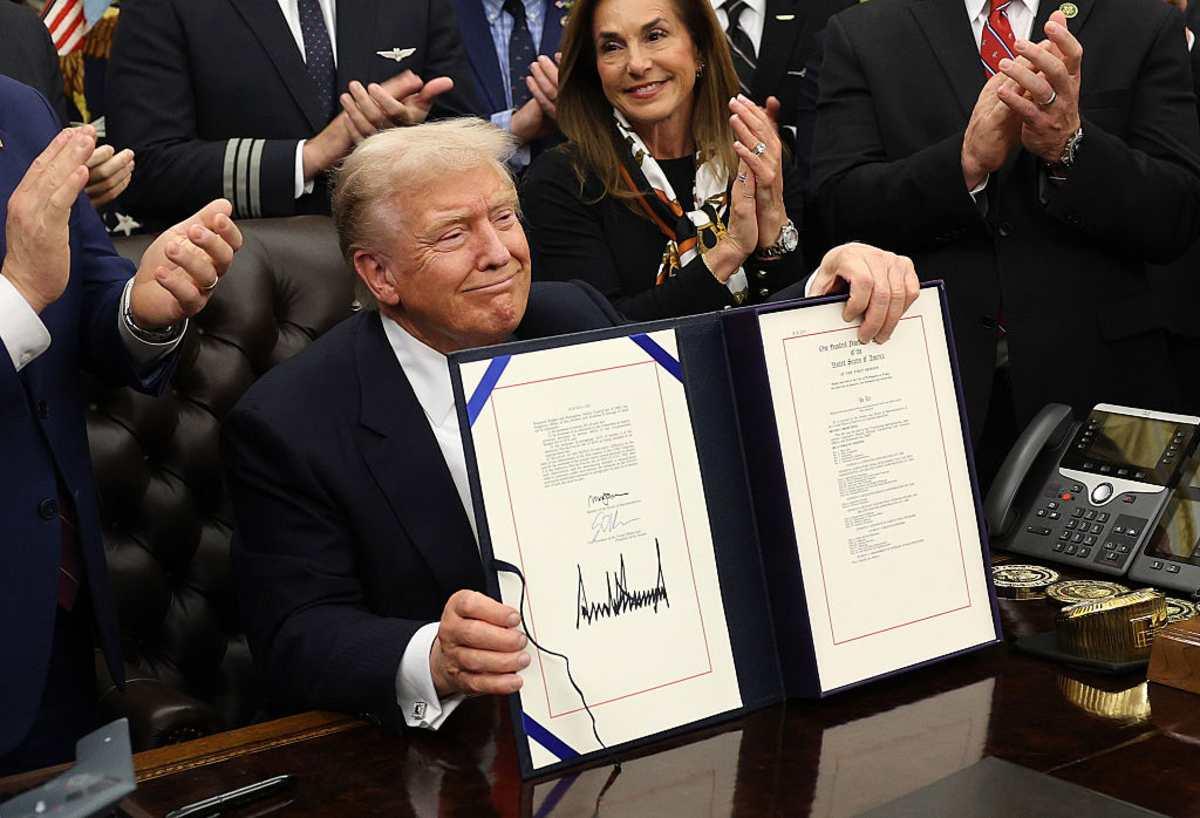
“With my signature, the federal government will now resume normal operations, and my administration and our partners in Congress will continue our work to lower the cost of living, restore public safety, grow our economy, and make America affordable again for all Americans,” President Trump said late as he signed the bill. Earlier, lawmakers in the Senate pushed through the spending package to fund the U.S. government, paving the way for hundreds of thousands of federal workers to be paid after six weeks.
The standoff between the two parties finally came to an end after eight senators in the Democratic caucus broke their own party’s blockade and joined Republicans in allowing the pay package to move forward for the government. This was the first vote held in the House in nearly two months, after an extended recess amidst the shutdown.
All but essential government services were halted during the shutdown, which began on October 1, 2025. Now, with Trump’s signature, federal workers will finally get back to their jobs, but how quickly all government operations will resume is unclear, as per Al Jazeera. While some programs, like the Supplemental Nutrition Assistance Program (SNAP), could be restored within hours, other services may take some time to get back on track. The end of the shutdown will also allow the flow of data from key statistical agencies on the economy, providing relief to investors, policymakers, and households, as per Reuters.
President Trump used the signing of the bill to attack Democrats, calling on people to remember the damage they caused. “People were hurt so badly,” he said. “I just want to tell the American people, you should not forget this. When we come up to midterms and other things, don’t forget what they’ve done to our country," he added. According to some economists, the shutdown was cutting the US GDP by more than a tenth of a percentage point every six weeks.
However, the deal has crucially failed to resolve the shutdown's central issue, the renewal of health insurance subsidies for 24 million Americans under the Affordable Care Act. About 92% of those enrolled in ACA marketplace plans receive these subsidies, and they would see their monthly premium payments rise significantly, according to a KFF analysis of ACA Marketplace premium data.
People living in the states that did not expand Medicaid coverage are expected to be hit the hardest. As per the BBC, the eight Democrats voted to pass the pay package in exchange for a promise of a vote on the healthcare subsidies in December.
More on Market Realist: