
As Higher Education Gets Expensive US Colleges Witness Enrollment Decline
This impending
March 6 2024, Published 7:12 a.m. ET

In the tumultuous landscape of American higher education, a storm has been brewing for years, and its intensity shows no signs of abating. Enrollment in colleges and universities has been steadily declining since its peak in 2010, raising serious concerns about the future of academia in the United States. This decline, coupled with growing public distrust and skepticism about the value of a college degree, paints a bleak picture for the future of higher education.

The reasons behind this decline are manifold. One major factor is the soaring cost of higher education, which has left many students burdened with crippling debt. For a generation that came of age during the Great Recession, the promise of a prosperous future through a college degree has lost its allure in the face of staggering student loan debt. Moreover, ideological divisions have further eroded public trust in academia, with many viewing colleges and universities as bastions of radical indoctrination rather than institutions of learning, per U.S. News & World Report.
The repercussions of this enrollment crisis are far-reaching, particularly for community colleges and second-tier universities. Enrollment at these institutions has plummeted, exacerbating existing inequalities in access to higher education. As enrollment declines, these institutions face existential threats, with closures and mergers becoming increasingly common. This trend not only undermines opportunities for working-class youth, immigrants, and people of color but also poses significant economic challenges for the communities they serve.

The demographic trajectory of the United States further compounds the challenges of higher education. With a projected decline in the pool of potential college students in the coming decades, enrollments are poised to plummet even further. This impending "enrollment cliff" threatens to push hundreds of colleges and universities to the brink of collapse, particularly those already teetering on the edge. In response to these challenges, institutions of higher education are scrambling to adapt. From aggressive marketing campaigns to mergers and program cuts, colleges and universities are exploring various strategies to shore up their dwindling enrollments. However, these short-term fixes offer little more than temporary reprieves, failing to address the underlying issues plaguing higher education.
Amidst this crisis, there is a pressing need for bold and innovative solutions to reimagine the future of higher education in America. Rethinking traditional models of education and embracing flexibility and diversity in learning pathways is paramount. Rather than adhering to rigid two-year or four-year structures, educational programs should be redesigned to accommodate the diverse needs and talents of students. The COVID-19 pandemic has underscored the potential of remote learning and technology-enabled education, offering glimpses of a more flexible and accessible future for higher education.
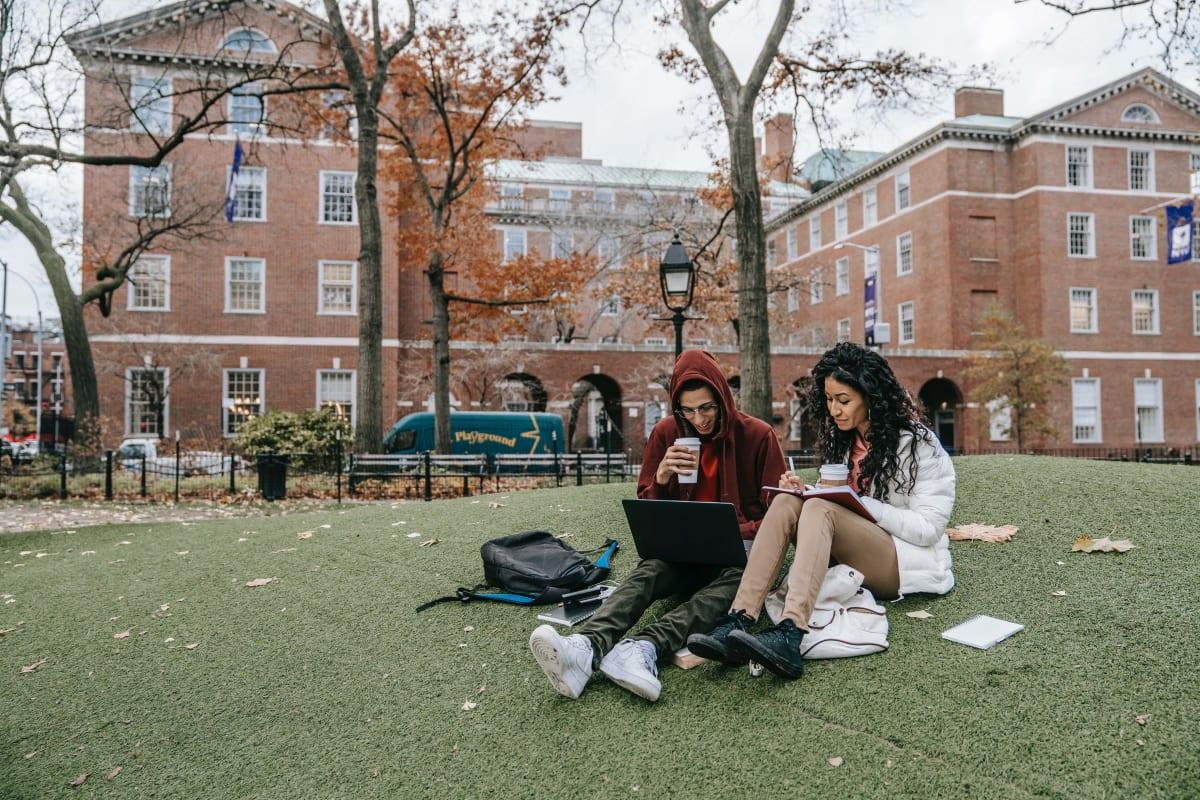
Leveraging these advancements, institutions can develop tailored online and hybrid programs that cater to the needs of diverse student populations. Moreover, a shift towards competency-based education, where mastery rather than time serves as the yardstick for learning, holds promise for transforming higher education. By decoupling learning from traditional course structures, students can progress at their own pace, unlocking new pathways to success. While these initiatives represent important steps toward reimagining higher education, they must be part of a broader systemic overhaul.
Collaboration between academia, policymakers, and industry stakeholders is essential to drive meaningful change and ensure the resilience and relevance of higher education in the face of evolving challenges. Failure to address the underlying issues threatening the viability of colleges and universities risks consigning a quarter of the nation's institutions to oblivion. As we navigate the storm ahead, bold vision and collective effort are indispensable in charting a course toward a more equitable, accessible, and resilient future for higher education in America.