Top economist warns about the cracks hidden beneath the 'strong growth' in US economy

While the U.S. economy appears strong, with growing GDP numbers, robust consumer spending, steady business investment, and a booming stock market, Ernst & Young Chief Economist Gregory Daco has expressed concerns over a weak economic foundation. In an interview with Bloomberg, Daco shared that the strong top-line indicators have created a "paradox" that is concealing the "underlying fragility" of the economy, and there is still a risk of "correction" which triggers a bust.

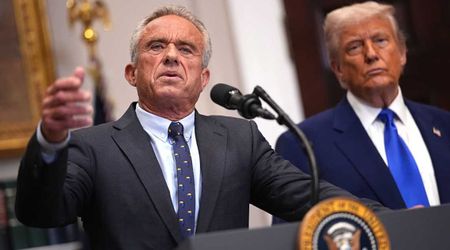
Speaking on Bloomberg Businessweek Daily, Daco explained that the AI-fueled growth and stock market gains may be diverting the attention of the people away from consumer-level weakness in a highly polarized economy. The Trump Administration has touted the success of its policies with stronger-than-expected GDP growth of 4.4% in the third quarter last year, and an annualized growth rate of 2% to 3%. Furthermore, several reports and economists, including Treasury Secretary Scott Bessent and Commerce Secretary Howard Lutnick, have forecast that GDP growth could climb as high as 5% this year, Newsweek reported.
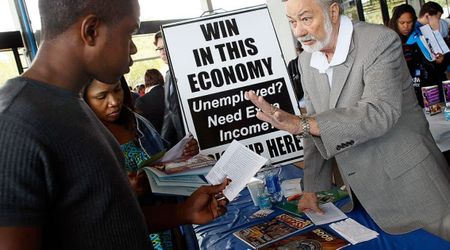
However, in recent months, experts have expressed concerns over the economic trajectory with a weak labor market, mounting debt, and a bubble-esque stock market led by Artificial Intelligence equity. Daco argued that the U.S. economy was kept afloat by three "A-pillars": AI-fuelled growth, asset price gains, and affluent consumers, but they weren't as solid as they appeared. "There is a risk of a correction, a market correction, if expectations about AI gains in productivity and profitability are not realised," Daco said in the interview.

He further added to the idea of the U.S. witnessing a K-shaped economic recovery where the affluent and the poor go in opposite directions of wealth growth, claiming that there is a high degree of "polarization." “The reality is that there is polarization across the U.S. economy. Whether you're looking at certain income groups—not just the lowest income groups, but the median income groups—they are increasingly struggling with high prices," he noted.
Daco cited weak wage growth, high levels of consumer debt, and consumers' reliance on credit to afford basic necessities as evidence that while the economy is doing well on an “average,” the larger section of the population is facing the consequences of its “underlying fragility.” The EY economist argued that while spending remained robust, it outpaced wage growth, and the gap is being filled by more debt for the middle and low-income families, rather than a surge in disposable income. "It’s the paradox of having strong growth, but underlying weakness across different sectors and across different strata of the economy," Daco stated.
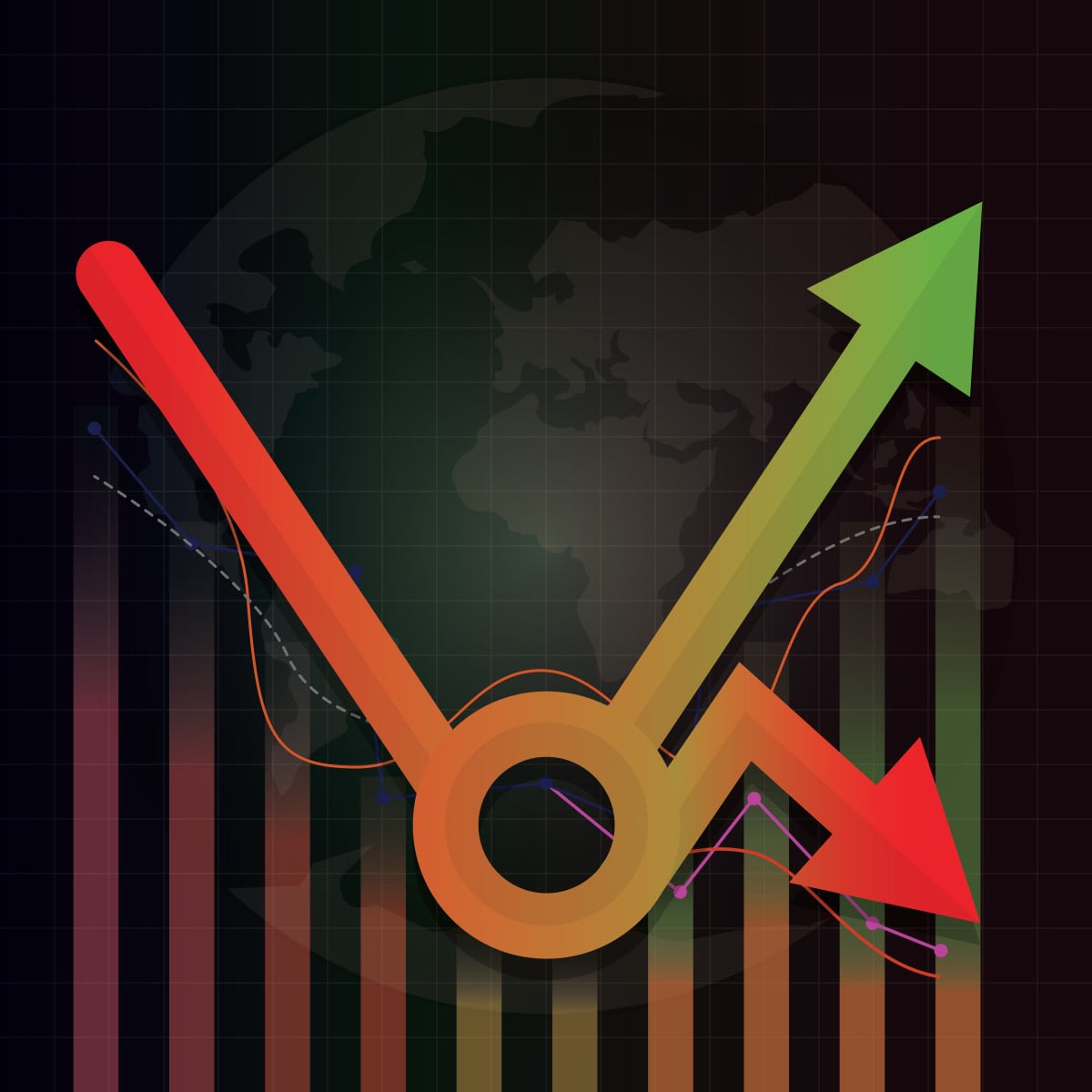
While most economists are predicting comparable economic growth to 2025 this year, similar concerns were raised by BlackRock's Chief Investment Officer of Global Fixed Income, Rick Rieder, in another Bloomberg interview. The executive also cited high consumption levels among affluent and older savers, and "Mag 7" spending nearly 2.1% of GDP on capex, to underscore the burden falling on low-income households, smaller businesses, and young workers.
More on Market Realist:
The job market has reached a point where candidates are now paying to be recruited
Treasury chief says Trump's plan is 'working' and his 'economy is delivering for Americans'
Trump keeps declaring victory over inflation in his speeches — but the data says otherwise