Retail gift returns are expected to surge after Christmas — here’s why it happens every year

Christmas gifts are special, but that does not mean that those who receive them have to necessarily like them. In such cases, many people simply return it to the retailer and get the money back, or just buy something else. This is why retail returns surge after Christmas, and that trend continues well into January. According to a report in Axios, the phenomenon is called ‘Returnuary,’ and the numbers support the theory.
The report states that the post-Christmas rush to return items begins immediately after the big day. Returns on December 26 see a jump of 25% to 35% when compared to the rest of the year. Counters and shipping networks have to work extra hard during this time period. At this point, most retailers are prepared for this phenomenon, but the rush can still prove quite challenging to control in individual stores that may be understaffed.

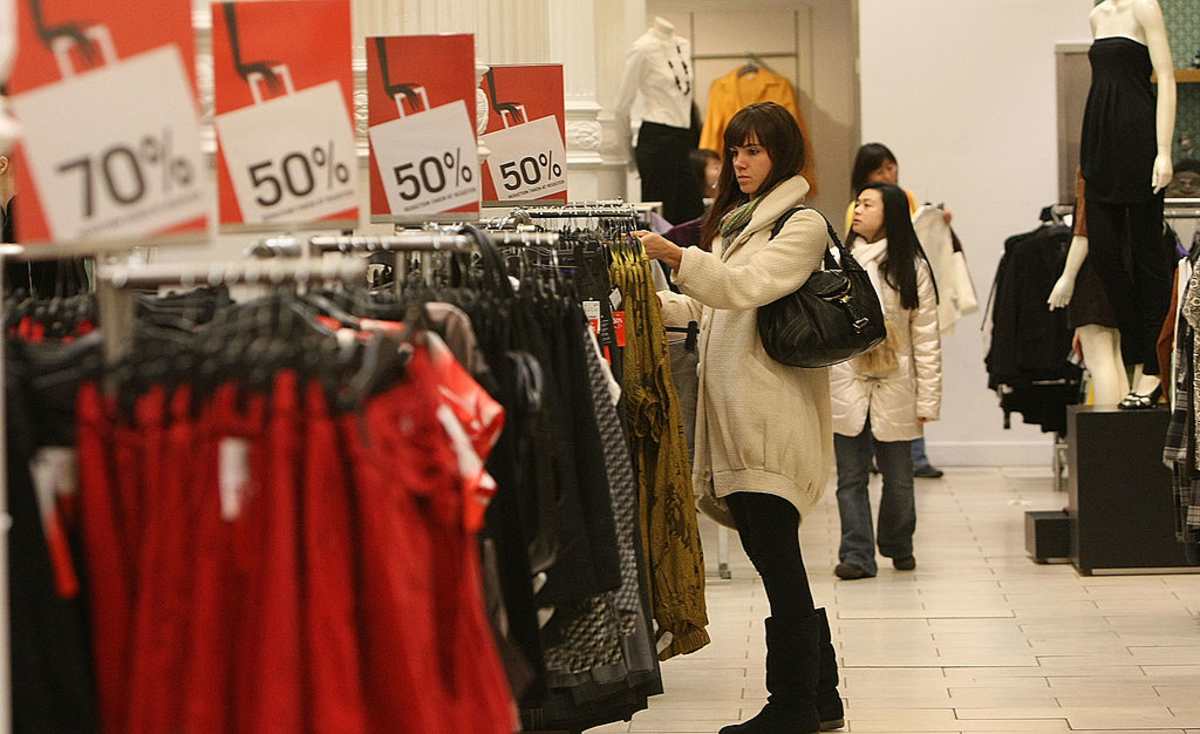
The most common products that Americans return are apparel-related, like clothing or shoes. One might not like how certain clothes or shoes look on them and choose to return them. Sometimes, a certain apparel might not be of the right size for the recipient, which leaves them with no choice but to return or at least exchange the item.
"The number one reason for returns is that you got the wrong size," Bobby Ghoshal, CEO of AI shopping platform Dupe.com, said. "People are really particular about how their items fit. If you're causing your daughter-in-law to run extra errands to the mall with three kids in tow to exchange a sweatshirt, she may not be as grateful as you would expect,” he added.
Accessories like hats and jewellery might also get returned if a recipient does not like how they look. This is especially true for jewellery. Another set of items that are returned after Christmas are electronics. Some gadgets might be duplicates or even defective. Sometimes, an individual may not need a particular gadget, and these are grounds for returning items. There are some who return gifts just to get the cash value of the product, which they might use towards something else.
The report suggests that around 20% to 25% of retail sales are expected to be returned in 2025. That computes to a whopping $1 trillion worth of products. Retailers have to take a big hit financially during this period, and they are usually prepared for it. These products are often sent back to manufacturers as returned items are scarcely found on shelves for the purpose of reselling.

"In reality, most are never restocked because brands don't have the infrastructure to process them in a cost-effective way," Emily Hosie, founder and CEO of open-box marketplace REBEL, said. Hosie also believes that an estimated 8.4 billion pounds of returned goods end up in landfills each year.
More on Market Realist:
Walmart finds a solution to a major customer problem and makes shopping better
Costco makes it easier for members to access its stores with its latest move
How Walmart is making sure your favorite holiday products don’t sell out is pure genius