
Experts warn Trump’s ‘One Big Beautiful Bill’ could worsen the US debt crisis
The CFRB's projections estimate the debt to rise by $5.5 trillion in the worst case scenario.
Jan. 27 2026, Published 8:04 a.m. ET

President Donald Trump's signature One Big Beautiful Bill, which was signed into law in July last year, was touted to boost growth, provide relief to consumers, and cut the national debt. However, as per projections from the U.S. Congressional Budget Office (CBO) and the Committee for Responsible Federal Budget, the provisions in the act could instead add up to $3 trillion to the national debt over the next decade, and in a worst-case scenario, that number could go up to $5 trillion.
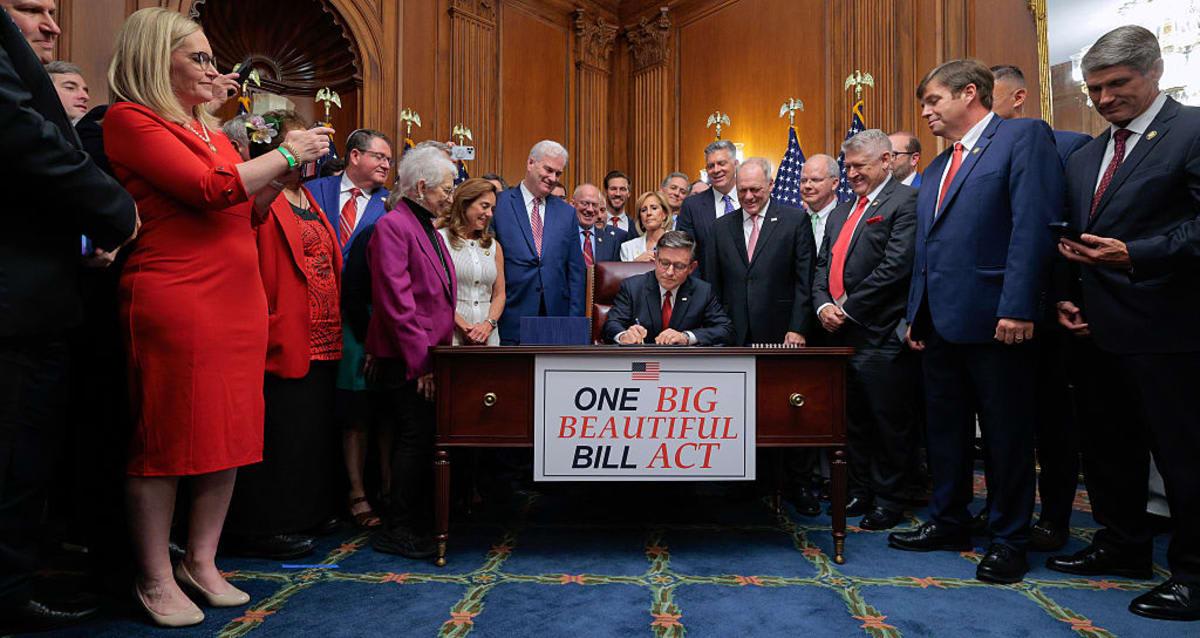
The One Big Beautiful Bill Act (OBBBA) contains several tax and budgetary provisions that will kick in this year. It adds nearly half a dozen major tax breaks for individuals, including deductions for tips and auto loans. Furthermore, for businesses and corporations, there are provisions for 100% immediate expensing for new plants, investment in equipment, and technology. At the same time, the legislation increases spending on immigration control, border security, and defense, as per Fortune. This, even with the increased tariffs, makes it difficult for the administration to balance the national debt, given that the provisions are not set to sunset or if Congress doesn't renew the OBBBA tax and spending shifts.
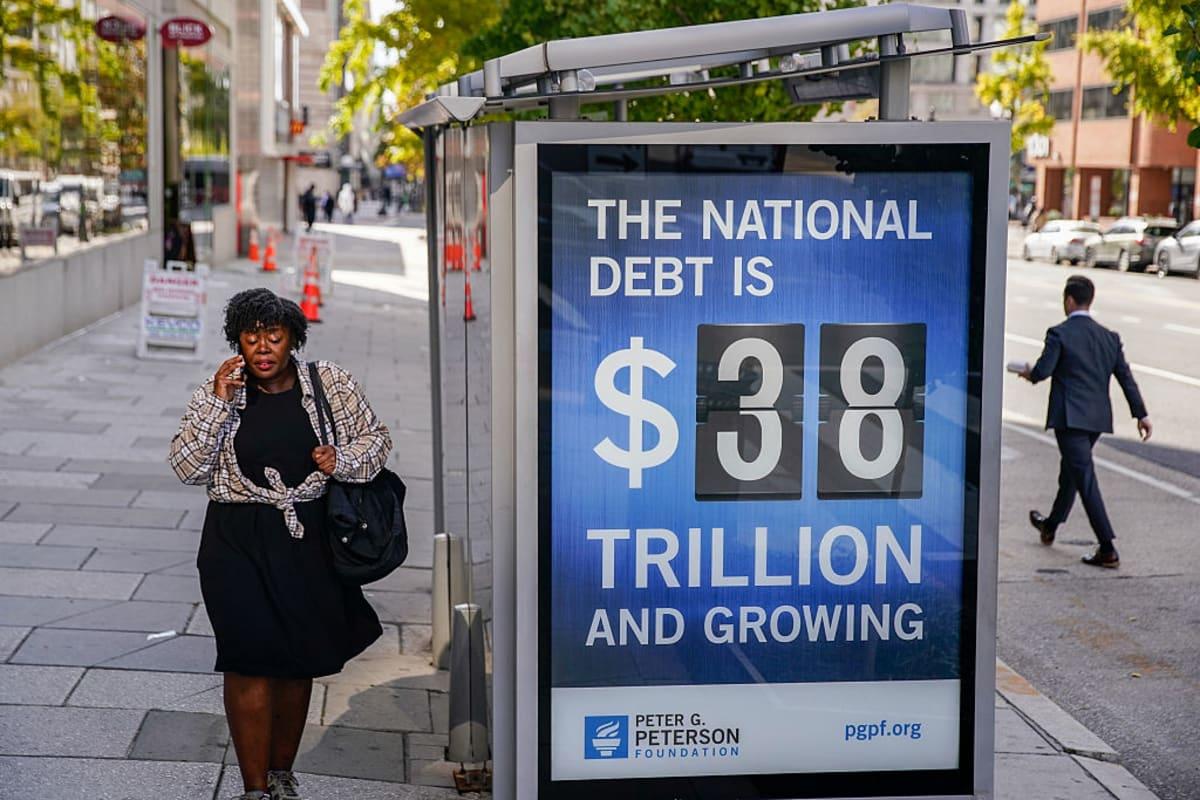
The CRFB Debt Thermometer, which tracks legislation and executive actions enacted in 2025, found that the Trump administration added about $4.1 trillion in new ten-year debt in 2025, most of which came from the OBBBA and some from the $12 billion farm aid package that the president announced for the farmers adversely affected by the tariffs. On the other hand, the tariffs did offset $2.6 trillion of the ten-year debt, but about $1.5 trillion of new debt was still added, marking the largest increase since 2022.
At the World Economic Forum at Davos, Switzerland, Trump was asked in an onstage interview about how he intends to tackle the increase in federal deficits and debt. “The big thing is growth. Growth is the way we go from high debt to low debt. We’re going to be growing our way out, and I think we’re going to be paying down debt,” the president responded, according to Fortune. Thus, the president believes that as the country generates more goods and services per worker and per dollar invested, an enduring surge of tax receipts will help reduce the debt.
But the tax concessions of the OBBBA, if made permanent, may hamper the plan. Furthermore, as per CRFB's pessimistic alternative scenario, the legislation will add over $5.5 trillion to the deficit over the next decade, if it remains the same, and the Supreme Court rules Trump's tariffs illegal. For this, the CRFB uses the same forecast for GDP growth from the CBO, reported in January. As per this projection, by 2035, spending could skyrocket to $10.9 trillion, while receipts would bring in only $7.4 trillion, leaving a shortfall of about $3.5 trillion, or nearly 8% of GDP. That gap is three times more than FY 2025. The federal debt would also double to around $59 trillion, or about 134% of GDP, with interest expense rising to over $2.5 trillion in FY 2035.
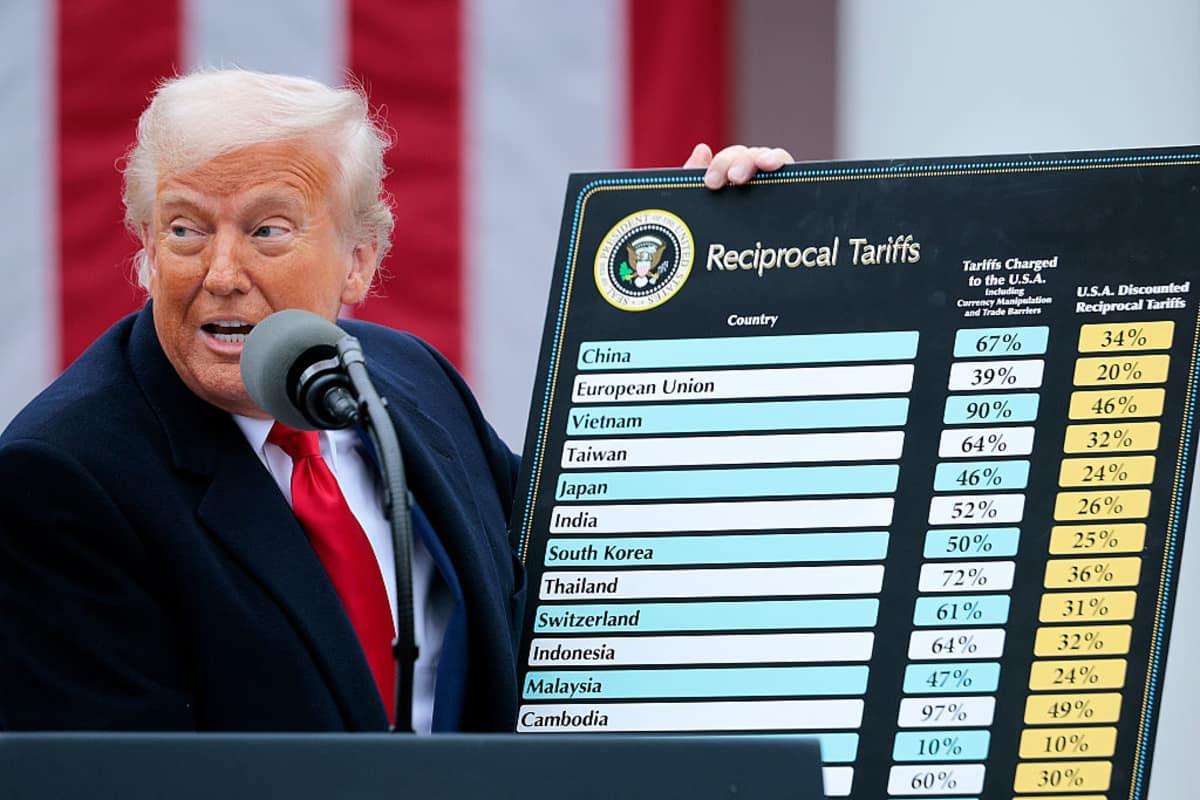
However, the Trump administration has repeatedly emphasized that it will re-establish the tariffs even if the Supreme Court rules against them. Furthermore, the provisions of the OBBBA that increase some expenditure are also due to expire. Considering this scenario, Fortune's Shawn Tully projects that the spending and revenues could come to balance with both roughly at $8.5 billion each. The deficit is expected to increase to rise $2.4 trillion or under 5% of the GDP, which is another positive. However, the U.S. will remain heavily indebted with a balance of around $53 trillion, still over 100% of the GDP, and the interest expense will rise to $2.2 trillion, still over double today's number.
More on Market Realist: