
'The Big Short' investor who predicted 2008 crisis reveals how Venezuela raid can shape markets
Reacting to the muted reaction of the market, Burry says the larger impact is soon to be seen.
Jan. 6 2026, Published 4:20 a.m. ET

Investor Michael Burry shot to fame for predicting the 2008 financial crisis and was even portrayed in the movie "The Big Short." As the U.S. faces economic uncertainty under the Trump administration, he has come out with sweeping predictions and observations on the U.S. raid on Venezuela. Burry had correctly predicted the subprime mortgage crisis in 2008 through a post on Substack, in which he claimed that the development has deeper implications than the stock market is anticipating. This is why his opinion about the strike on Venezuela carries weight.
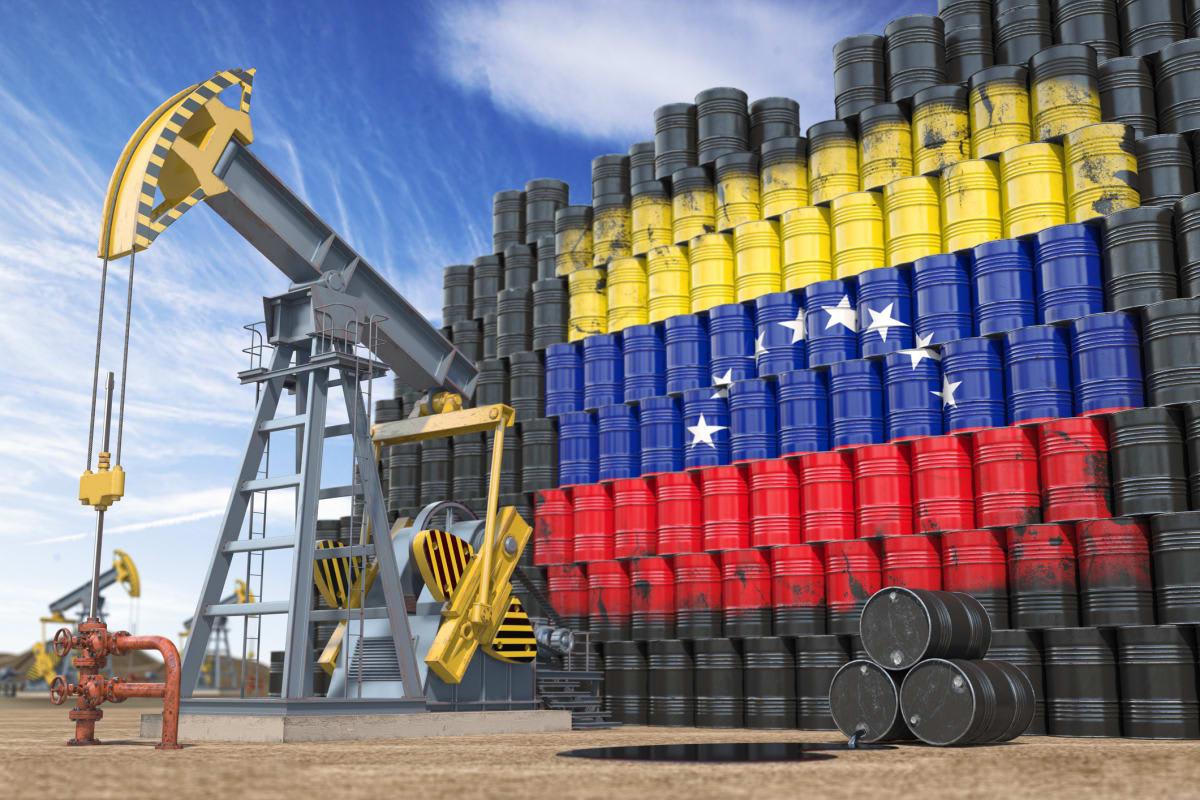
Burry wrote in his blog that while there was a muted reaction from the stock market, the removal of Venezuelan President Nicolás Maduro marks a major event. "This is a paradigm shift despite the markets yawning," he noted on X. The market skeptic added that the markets have largely been positive and somewhat muted. Benchmark oil prices climbed less than 1% on Monday, and US stock futures opened higher after the weekend's events. However, Burry says something larger and global is at work.
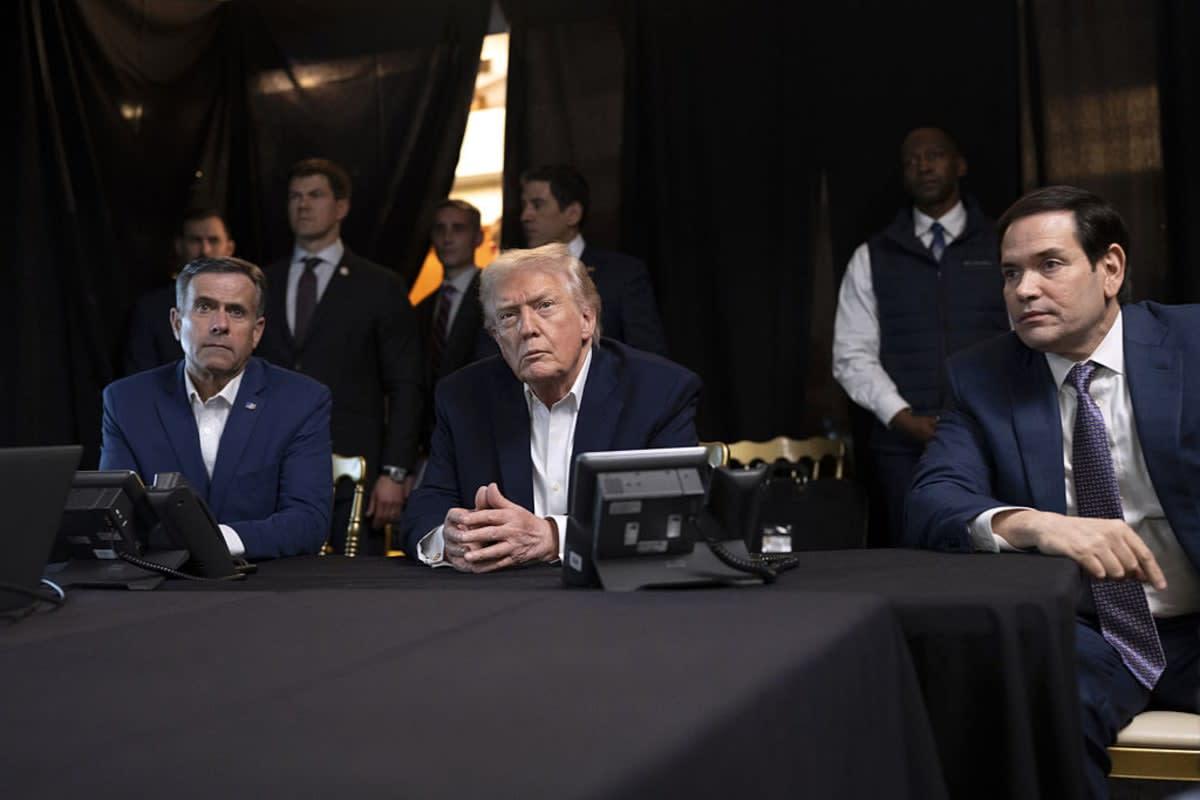
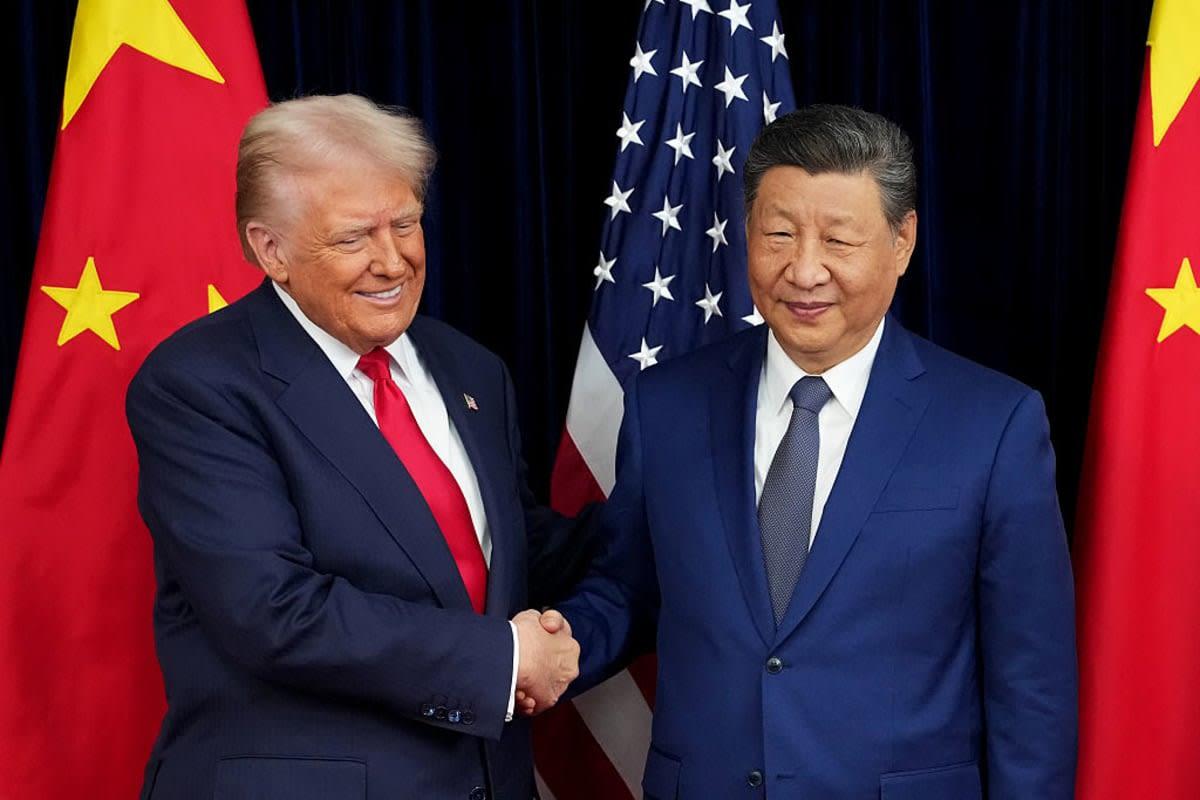
The seizure was a "shot across China's bow," Burry wrote, pointing to the loans worth billions of dollars China has made to Venezuela under its Belt and Road Initiative (BRI). The money was collateralized using future oil output, which is "now in U.S. hands," Burry noted. The veteran investor wrote that Chinese stocks now strike him as "somewhat riskier. He listed Alibaba, Baidu, and other potential sanction targets "could be in for some volatility" if Beijing tries to escalate aggression in the South China Sea or Taiwan.
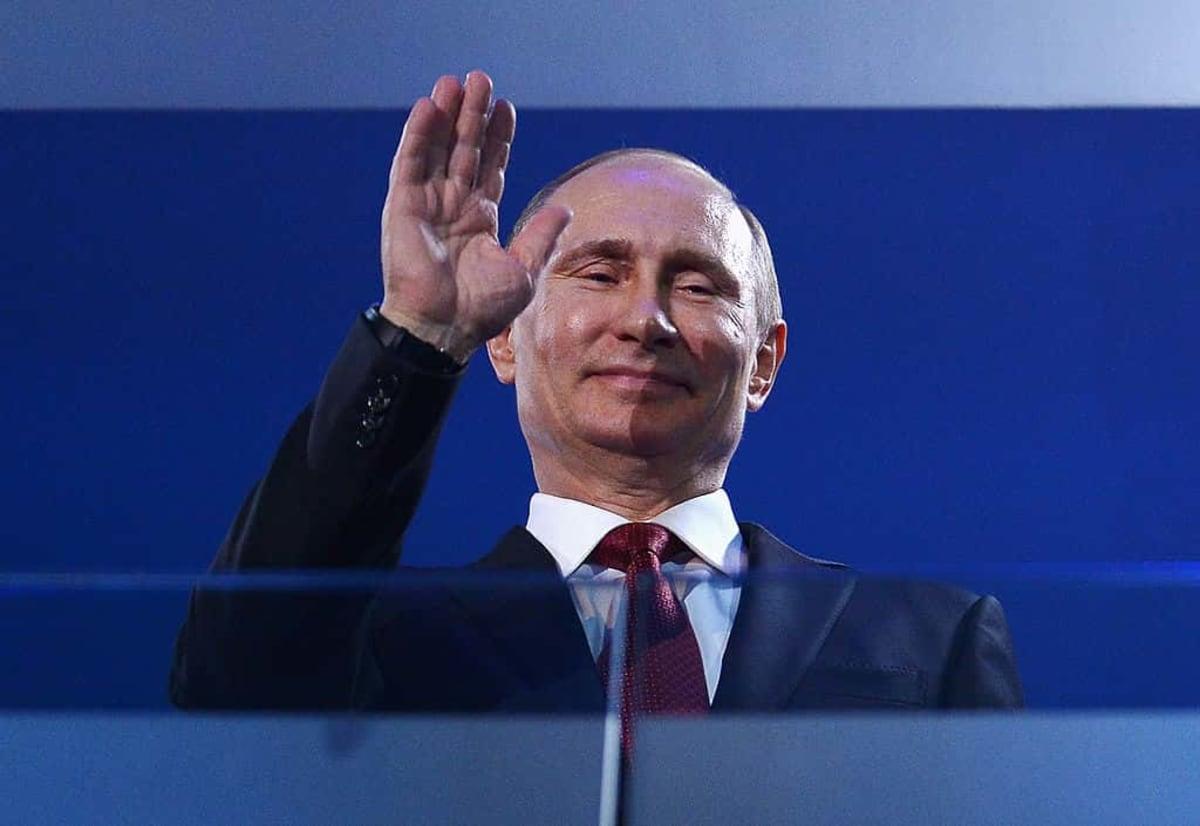
Burry also took note of the impact on Russia and its oil as well. "Putin's jaw has to be on the floor," he wrote after seeing what the U.S. did in "practically seconds" that Russia has been trying to do in Ukraine for years. Burry estimated that while it may take five to seven years, if the U.S. manages to increase oil output from Venezuela, it would undercut Russia's income and influence. “Russia's oil just became less important in the intermediate and long-term,” he wrote.
Burry further suggested that Canada and Mexico, too, could "lose a good amount of leverage" in trade if American refineries start using Venezuelan oil instead of Canadian crude. “Realize that many Gulf Coast refineries were purpose-built for Venezuelan heavy crude,” Burry wrote. “So they have been running with suboptimal feedstock for years. This will, in time, produce better margins across jet fuel, asphalt, and diesel," Burry noted, suggesting that U.S. consumers may also benefit in the long term.

Coming back to the stock market, he noted that his bet on Valero Energy is coming into focus again. The investor said he has owned Valero Energy since 2020, and it has become increasingly attractive over time. He wrote, "I have owned Valero since 2020, and I am more resolved to hold it even longer after this weekend.” Analysts on Wall Street are also highlighting Valero as the biggest beneficiary should the Venezuelan oil supply pick up. The shares of the refiner jumped 10% on Monday, according to CNBC.
More on Market Realist: