
Americans are losing faith in Trump's economy as confidence drops to lowest since 2014
The Consumer Confidence Index slipped to 85.5 amid war concerns, rising costs, and a weak labor market
Jan. 28 2026, Published 5:06 a.m. ET

The economic mood of American consumers deteriorated in January to its lowest level since 2014. The Consumer Confidence Index fell to 85.5, marking a decline below even the lowest readings recorded during the COVID-19 pandemic and representing a sharp drop from the 94.2 rating recorded in December of last year. The reading reflects the persistent concerns of consumers about the U.S. economy, amid rising costs, uncertain geopolitical conditions, and a weak labor market.
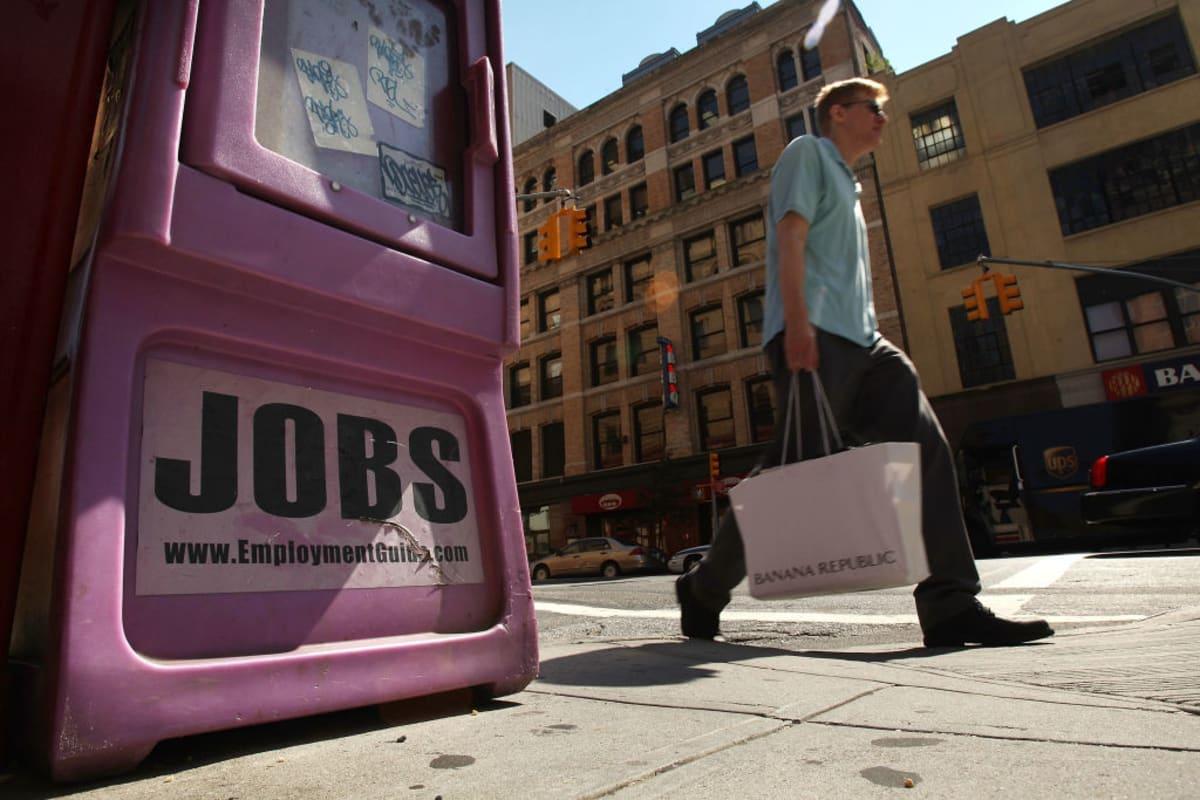
The index that measures how Americans feel about 'the present' economic condition and the six months 'expectations' fell by 9.7 points this month from the upwardly revised rating recorded in December. The Conference Board, which releases the monthly index, said on Tuesday that both components fell in January, with the Present Situation Index slipping 9.9 points to 113.7 while the Expectations Index cratered 9.5 points to a record low of 65.1. Both indices together measure the current sentiment of businesses, employment conditions, and their expectations regarding business, employment, and total family income over the next six months.
The Conference Board noted in the press release that the Expectations Index fell well below the threshold of 80, which has been a historical marker for a recession, for the 12th consecutive month. "All five components of the index deteriorated, driving the overall index to its lowest level since May 2014 — surpassing its COVID-19 pandemic depths," said Dana Peterson, the Conference Board’s chief economist.
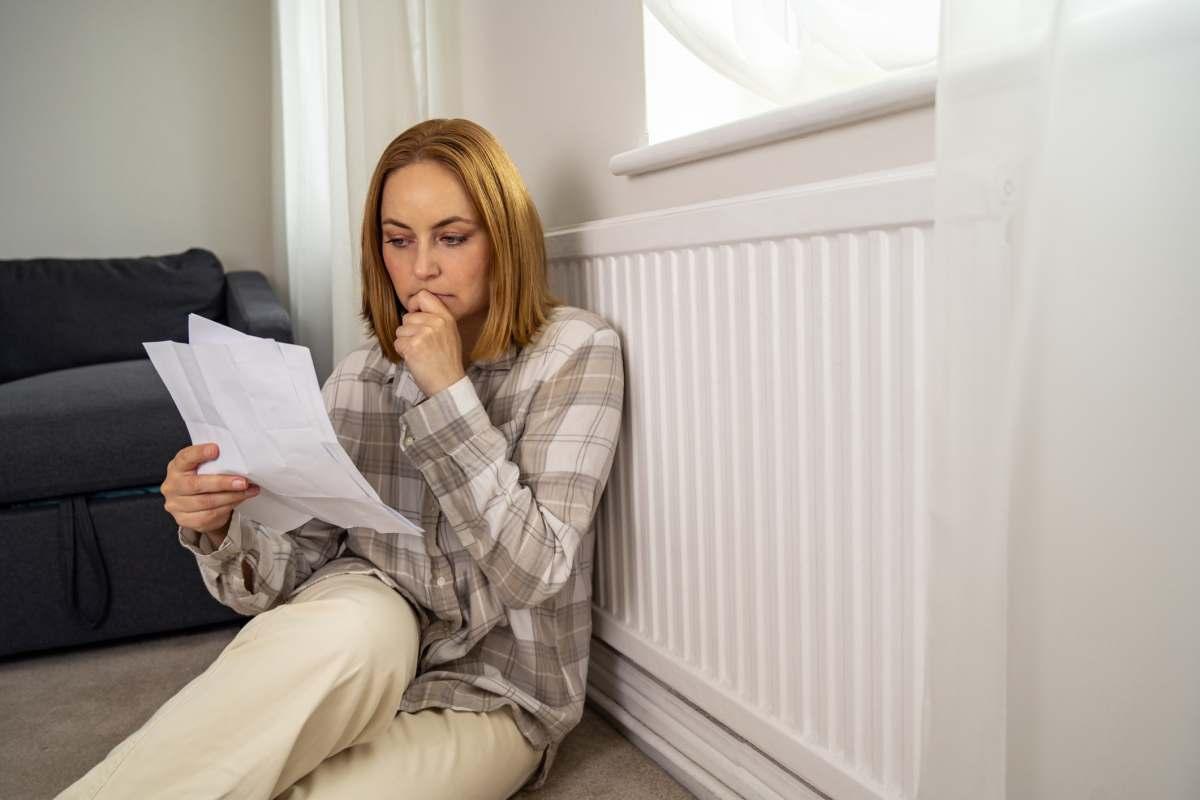
The first component of the two indices, perceptions of current business conditions and the labor market, along with expectations for business and labor market conditions six months ahead, was reported by only 23.9% of consumers, who said jobs were “plentiful,” down from 27.5% in December. Another 20.8% of consumers said jobs were “hard to get” - a significant increase from the 19.1% recorded the previous month.
This sentiment falls in line with the condition of the country’s labor market, which has been stuck in a “low hire, low fire” state. According to economists, businesses are holding back due to uncertainty over tariffs, AI investment, and interest rates, ABC News reported. The last component for income prospects in the next six months also fell as fewer Americans expected to get raises.
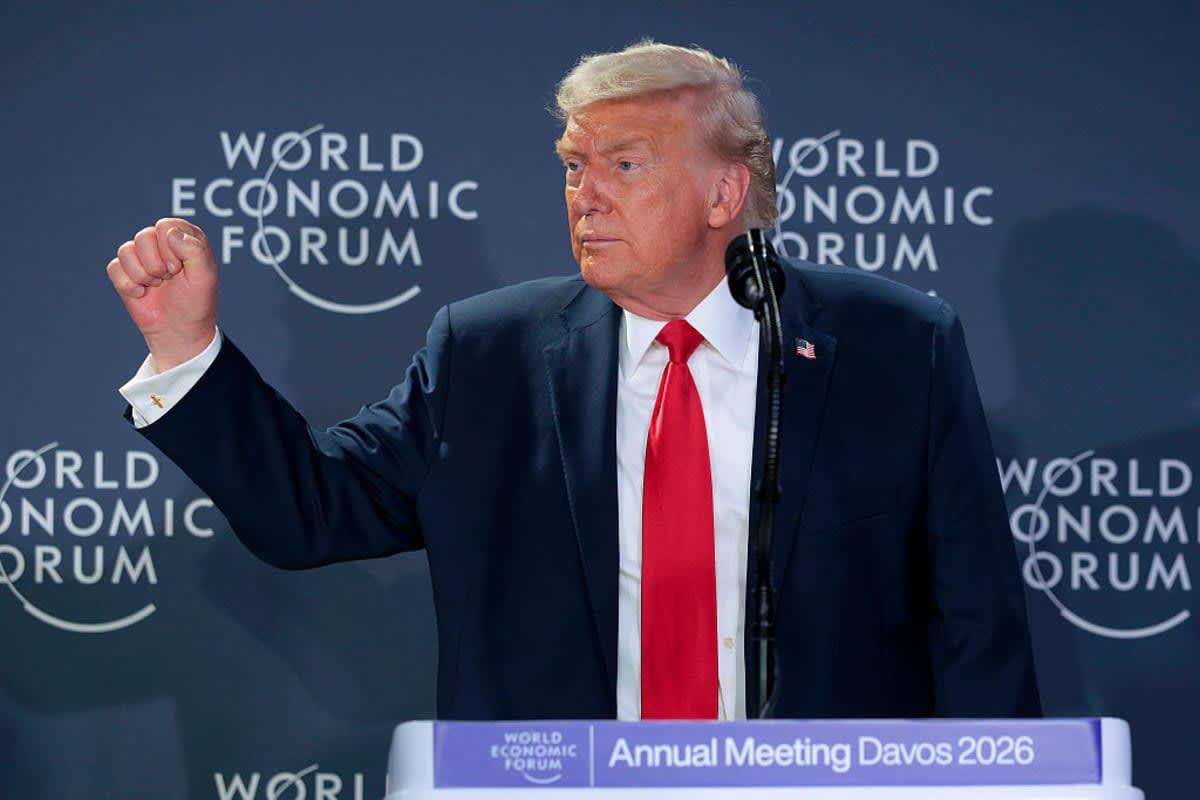
The survey noted that respondents' reference to inflation, including grocery prices and gas, remained elevated. Furthermore, mentions of tariffs, trade policies, and the labor market also rose, along with comments on potential war and health insurance costs. This comes as people insured through the Affordable Care Act are seeing their premiums skyrocket, while their benefits expire. The survey found that confidence has slipped across the political spectrum as over the past month, President Donald Trump captured Venezuela's former leader, vowed to acquire Greenland, and threatened the European countries and Canada with sweeping tariffs.
However, CNN noted that the pessimism among consumers typically hasn't translated into weak spending, as in the summer of 2022, when inflation reached record high levels, and sentiment tanked, Americans continued to spend in the following months. Furthermore, individuals and businesses are expected to receive bigger tax concessions this year, which could further boost spending.
More on Market Realist: