
Inequality in America at its worst as richest 1% hold wealth way more than they should
The K-shaped economy is to be blamed for this kind of disparity.
Jan. 26 2026, Published 2:55 a.m. ET

As lower and middle-income Americans face an affordability crisis and the additional burden of tariffs, the rich are getting tax breaks. This is why it's not surprising that wealth disparity is visible, with income becoming more concentrated among the wealthiest families during the last thirty years. According to data from the National Bureau of Economic Research, the wealth gap is widening, and the Federal Reserve reported that the wealthiest 10% of families now control over two-thirds of the country's total wealth, while the wealthiest 1% own 31.0%.

According to an alternate Federal Reserve data, the U.S. economy is K-shaped, with middle-class and lower-class households lagging behind the wealthy. The top 1% of Americans owned 31.7% of all wealth in Q3 2025, a record since 1989. Their assets amounted to over $55 trillion, which is the aggregate fortune of the poorest 90% of Americans. "Household wealth is highly concentrated and becoming steadily more concentrated," Mark Zandi, chief economist at financial research firm Moody's Analytics, told CBS News.
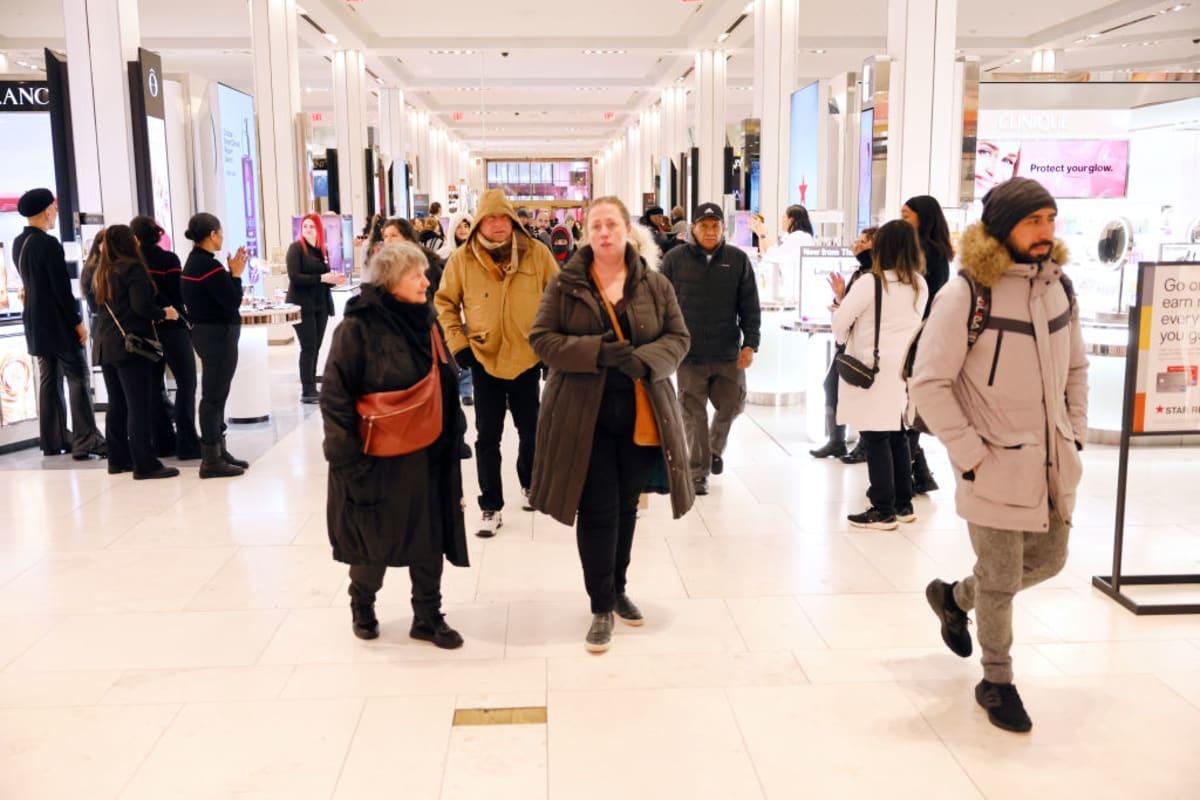
According to the Oxfam International research, the wealth of billionaires went up three times more quickly in 2025 than it did in prior years. Elon Musk, the CEO of Tesla, topped the list with $668 billion. The top 10% of income earners accounted for about half of U.S. consumer expenditures in Q2 2025, a sign of widening wealth inequality following the epidemic. Rising stock prices that favor wealthier households, stagnating home prices for middle-class families, and debt for lower-income households are some of the factors causing this gap. Disparities in wage growth also play a role, as Americans with higher incomes saw a 3% rise, while those with middle-class and lower-class incomes saw increases of 1.5% and 1.1%, respectively.
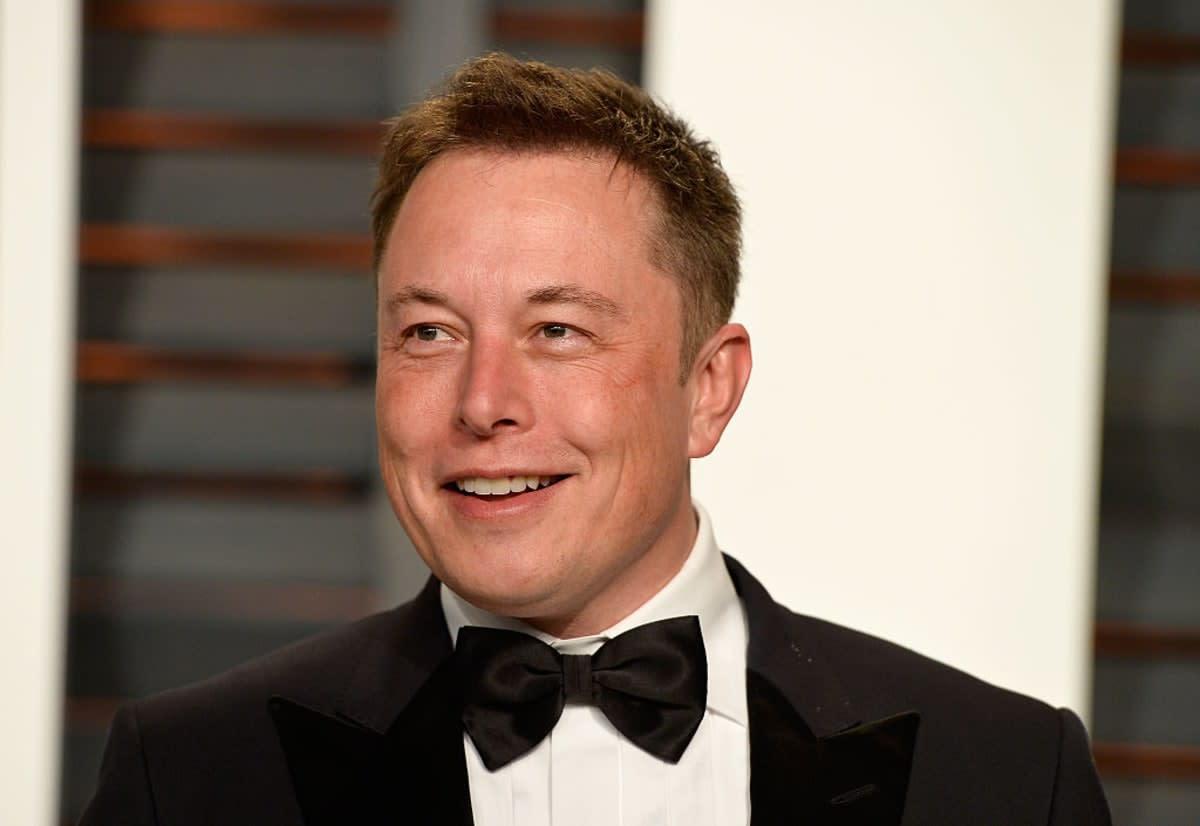
Even if inequality can spur economic growth, the current state of affairs is dire, with the top 1% owning 31% of family wealth and the poorest 50% only 2.5%. With the top 10% now making up almost half of all expenditure, the economy's reliance on high earners for consumption has increased. This puts economic stability at risk by making people more susceptible to social unrest and market downturns. These disparities are getting worse because of the AI revolution.

Musk, however, believes that these technologies will produce "abundance for all" and unheard-of economic growth. The current economy is characterized by a K-shaped recovery, illustrating a growing divide where the wealthy are thriving while the poorer segments face increasing challenges. DW News indicated that wealthier households are less affected by inflation due to their substantial asset ownership, benefiting from high interest rates, while the bottom 50% struggle under debt and rising prices.
Companies are targeting premium markets for wealthier consumers and value offerings for those with tighter budgets, to cash in on the disparity. Analysts highlight a structural imbalance where economic policies aimed at recovery often favor the affluent, raising questions about the sustainability of such an economy amid widening wealth gaps.
More on Market Realist: