Economist warns Trump’s pressure on the Federal Reserve could cause major problems

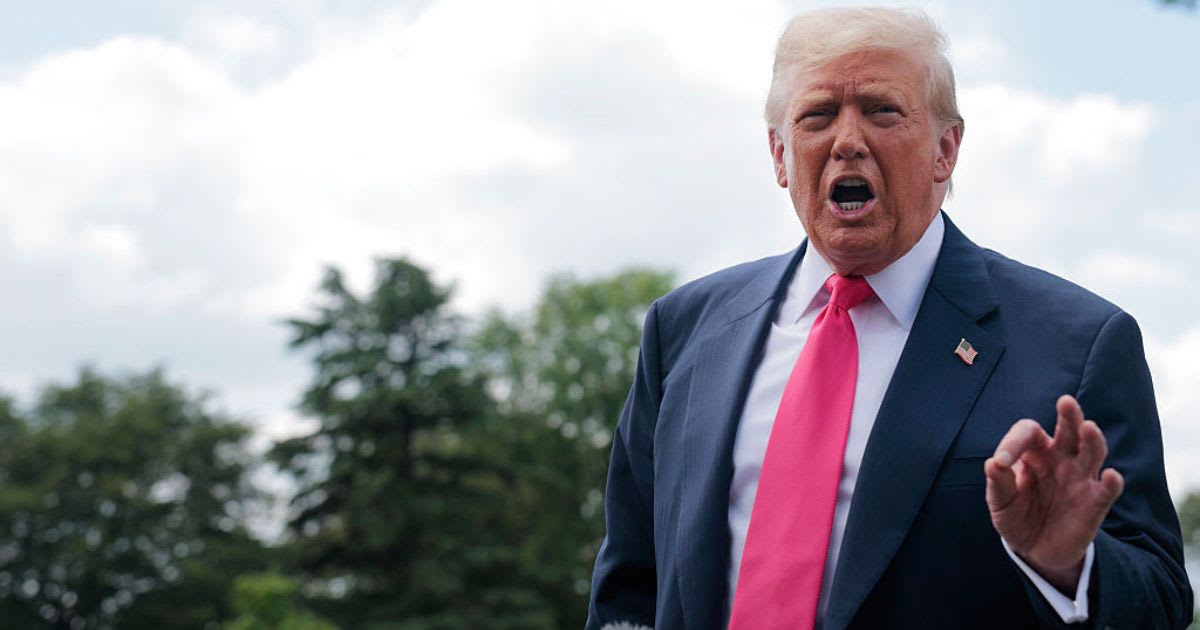
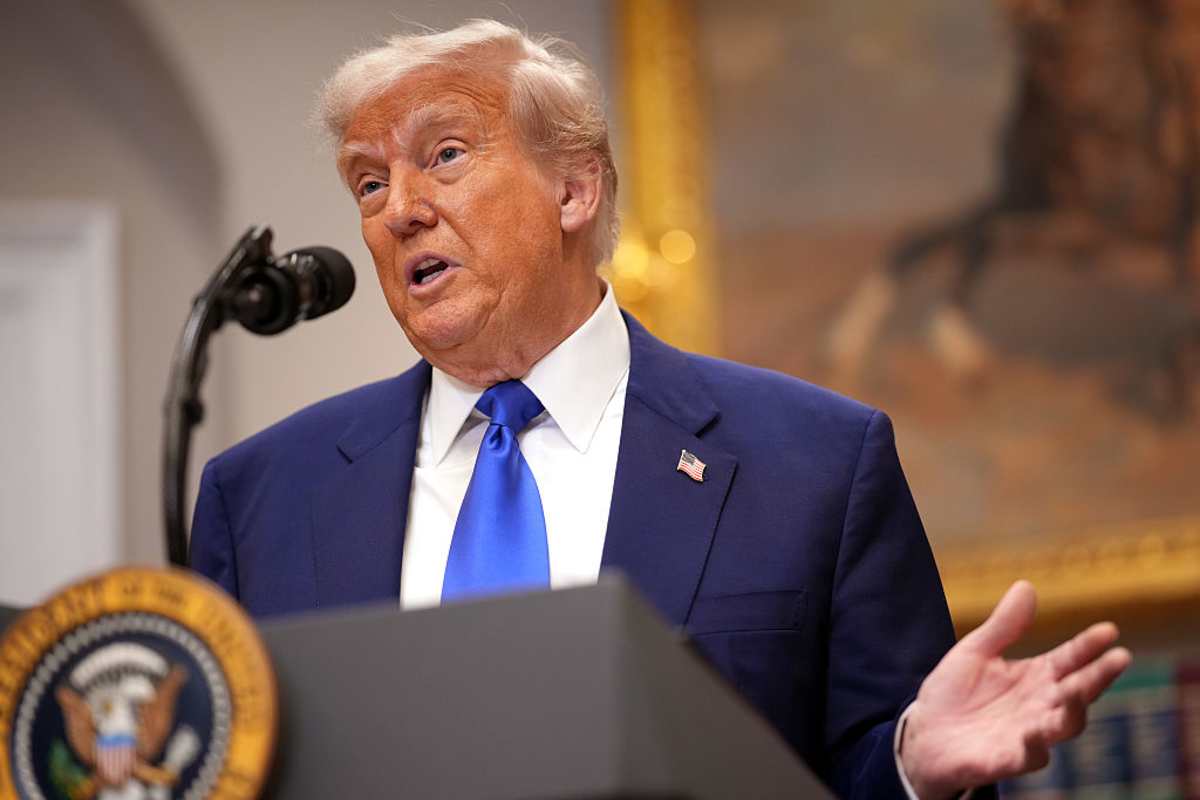
President Donald Trump has been at odds with the sitting Federal Reserve Chairperson and is confident that his pick as the next chief of the central bank will cut interest rates. "The United States of America should be paying much less on its Borrowings (BONDS!). We are again the strongest Country in the World, and should therefore be paying the lowest interest rate, by far. This would be an interest cost savings of at least one trillion dollars per year - Balanced budget," he wrote on Truth Social. However, Bundesbank President Joachim Nagel has sounded the inflation alarm over Trump's constant political interference with the central bank.
According to Nagel, a loss of independence at the U.S. Federal Reserve might raise political pressure on central banks throughout the world, thus causing inflation. In an effort to lessen the bank's impact on the market and cut borrowing costs, Trump has been pushing the Fed to decrease interest rates and named former Federal Reserve Governor Kevin Warsh to head the institution to enact his ambitious decisions. "If this political pressure succeeds, it could be taken as a blueprint for politicians in other countries to pursue similar policies," Nagel stated, before adding, "If that were to happen, inflation levels could increase all over the world."

Warsh's candidacy is supported by central bankers such as Bank of England Governor Andrew Bailey and ECB Chief Christine Lagarde, but the Fed is nearing a breaking point, especially if policy easing is postponed until the middle of the year. Although the ECB's independence is guaranteed, Nagel pointed out that outside political influences might make it more difficult for the Eurosystem to uphold price stability. Despite difficulties faced by other major central banks, the ECB has managed to maintain inflation at its 2% objective for almost a year, Reuters reported.
The Bundesbank President has previously argued that the current Fed rates were optimal and that the ECB would only step in if medium-term inflation expectations diverged substantially from the objective, which isn't the situation at the moment. He pointed out that long-term inflation expectations are still steady and that the short-term inflation deficit is small. According to data released, January saw a decline in inflation, which was primarily due to decreased energy prices.
According to Nagel, if inflation expectations are well-established, small, transient changes do not call for a shift in approach. This is relevant in situations where the inflation target might not be reached, or when inflation might increase too much, Reuters reported. Three primary elements that affect a country's borrowing costs for international creditors and investors are supply and demand dynamics in relation to creditworthiness, inflation and exchange rate forecasts, and the base cost of borrowing from a central bank. Because of strong inflation and a possible White House preference for a weaker dollar, which affects foreign investment in U.S.
More on Market Realist:
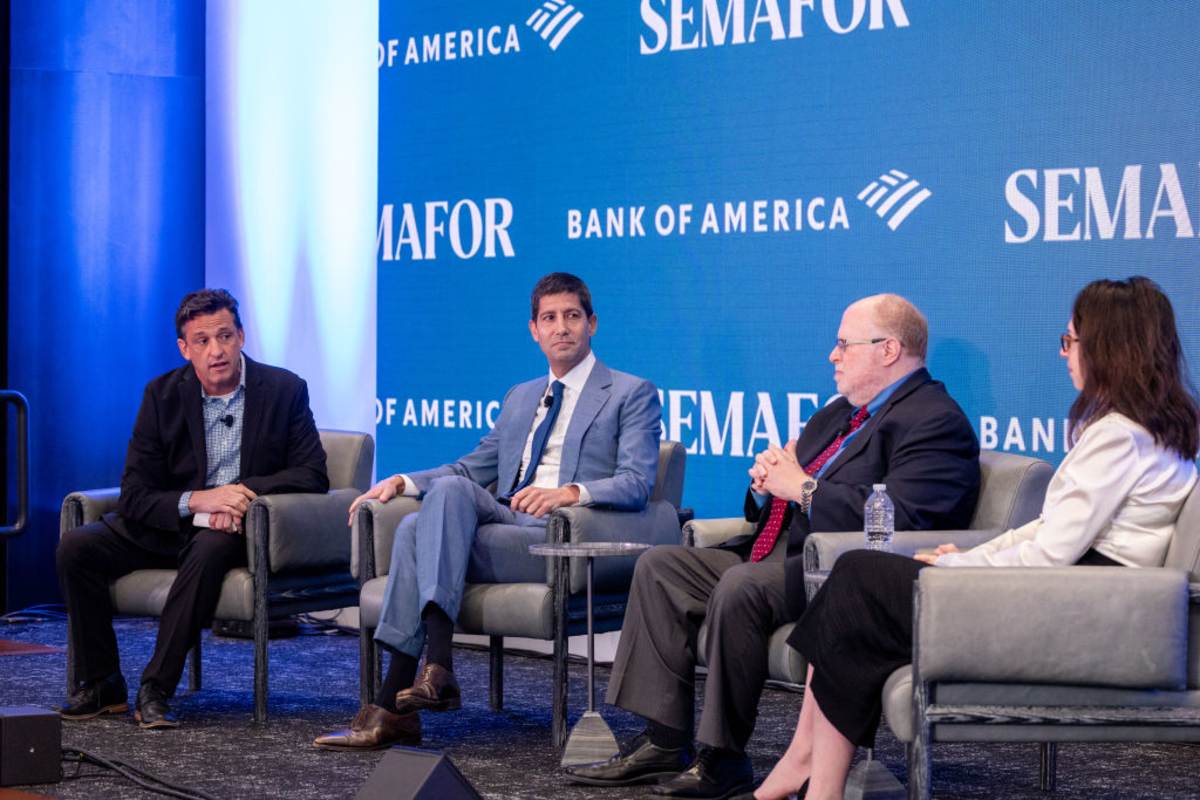
Bank of America CEO reveals why the Fed should be independent: 'The markets will punish people'
Trump says his Fed chair pick will cut interest rates — 'He wouldn't have got the job' otherwise
Trump jokes about suing his new Fed chair pick over interest rates: 'He's going to lower them'