
Americans will feel the real impact of Trump's tariffs as economy looks grim in 2026
While businesses absorbed the blow last year, they may run out of reserves in 2026.
Jan. 6 2026, Published 6:07 a.m. ET

The sweeping tariffs introduced by the Trump administration affected affordability and economic growth for businesses and common American consumers alike. Even as the White House claimed that things got better, economists suggested otherwise. At the end of 2025, it turned out that the tariffs didn't dramatically increase prices or boost growth, as the effect was mostly muted. While the outlook for 2026 looks positive, the impact of tariffs will be visible, and the new year could be more expensive.

According to the official data, the U.S. collected $187 billion more in tariffs, as compared to 2024, marking a 200% increase. While business roughly footed 80% of the tariff bill, this proportion could soon flip on its head, according to JPMorgan. “A lot of our clients really didn’t want to pass the costs on, but now they’re really having to,” Kyle Peacock, principal at Peacock Tariff Consulting, further shared with CNN. Many have opted to do so immediately at the start of the new year, while others are planning to wait until later in the first or second quarter, he said.
In 2025, businesses anticipated the tariffs ahead of their introduction and built up massive inventory stockpiles. As the tariffs hit, the rates at one point surged to 145% on goods coming from China, but the stockpiles helped soften the blow, as per CNN. However, those stockpiles have now run out, and businesses are forced to start purchasing goods with the higher tariffs. While most are absorbing the additional costs, they can only do so for a certain period of time.
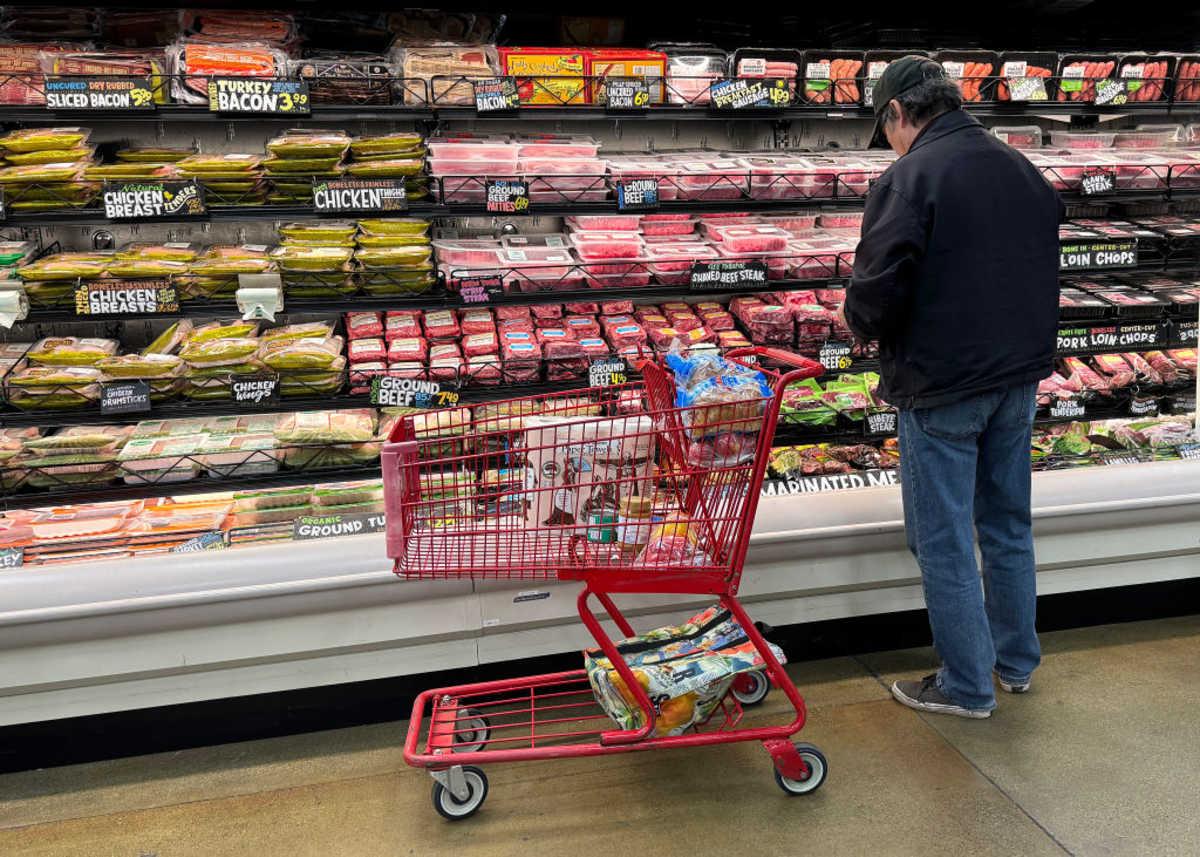
Peacock explained that to remain competitive, businesses aren't going to increase prices by as much as they are paying for tariffed goods, as with inflation remaining above ideal levels, they don't have much leverage to do so. However, in some categories, rising prices are inevitable.
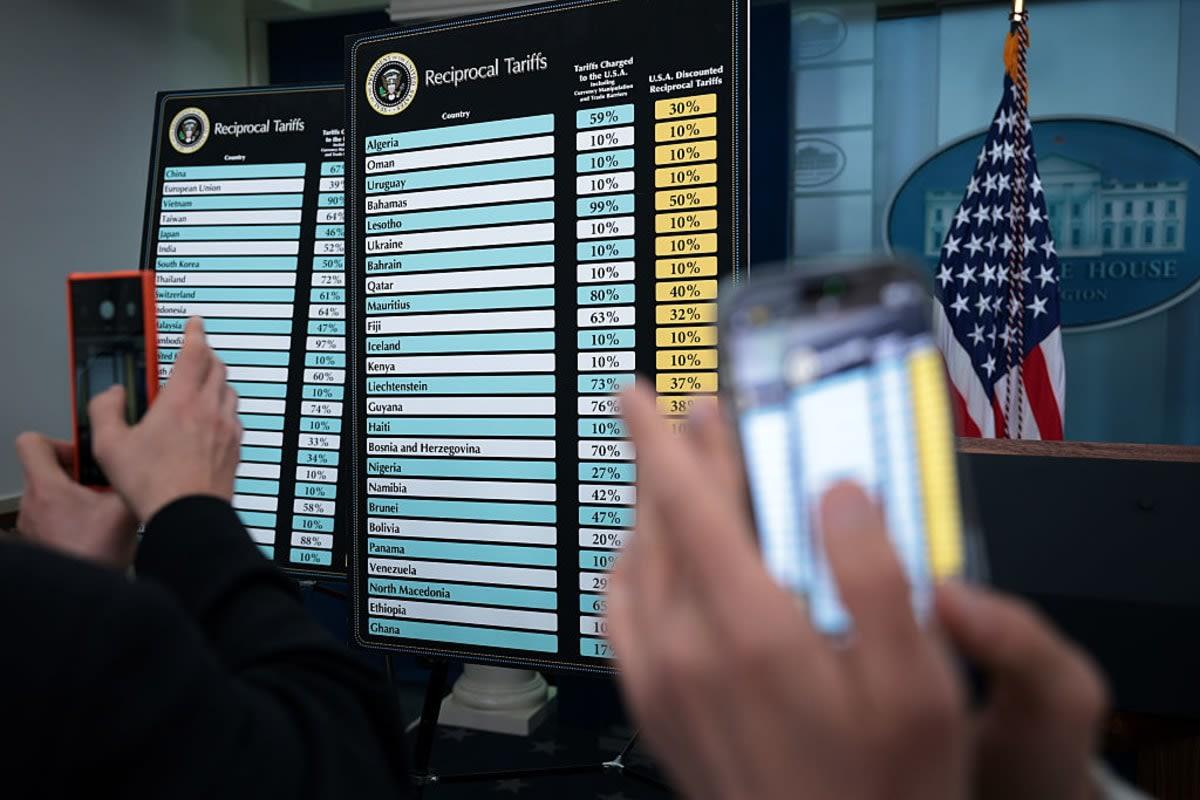
Economists at Goldman Sachs estimated that tariffs caused a hike in inflation by half a percentage point last year, and they predict inflation to further increase by three-tenths of a percentage point from the 2.7% rate at the end of 2025, in the first six months of the year. Peacock shared that one large grocery supplier, whom he refused to name, held off on price increases last year, since tariff rates vastly differ from product to product and country of origin. However, the supplier has recently decided to apply the average tariff rate that it pays on all the products it sells, the expert told CNN.
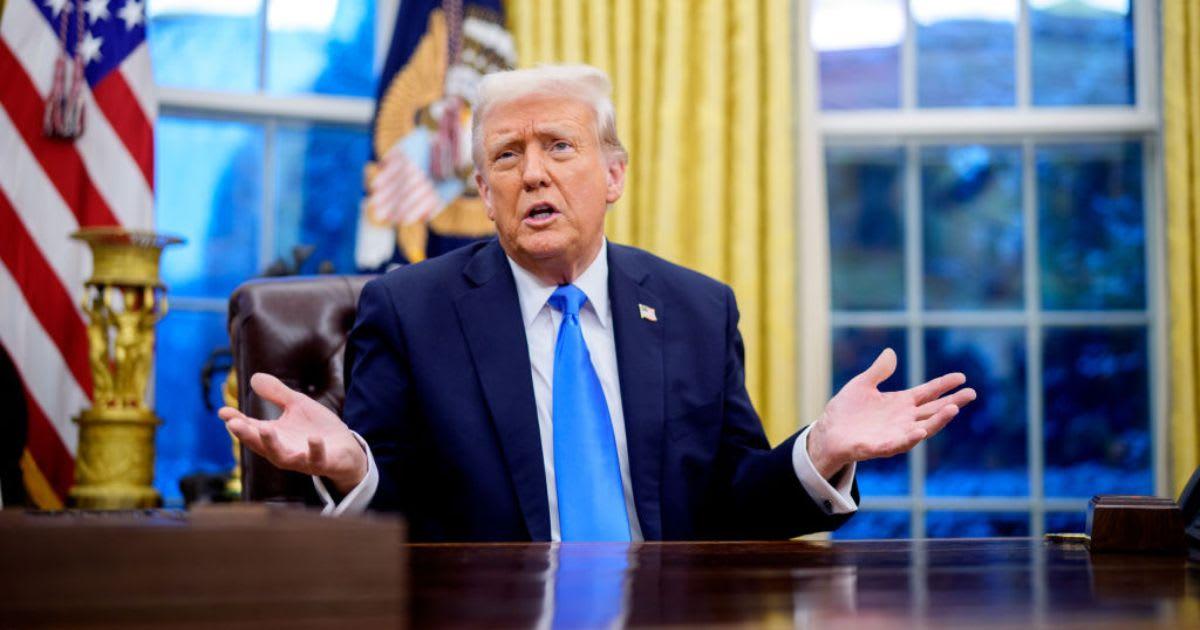
Recently, Trump signed a proclamation postponing the 25% tariff hike on upholstered furniture, kitchen cabinets, and vanities for a year, pushing their implementation from 2026 to 2026, according to a White House statement. Thus, the future of affordability depends on the administration's view of the tariffs.
More on Market Realist: