
Your car loans could remain expensive despite the US Fed cutting interest rates — here's why
While rate cuts may eventually bring relief, other factors may push costs upwards.
Dec. 11 2025, Published 7:26 a.m. ET

At a time when people are struggling to cope with the rising cost of living, an interest rate cut by the Federal Reserve has given Americans hope for credit that won't burden them with debt. However, analysts estimate that even with the cuts, one area where consumers may not find relief is auto loans. This is primarily due to a shift in the market with big banks taking the majority share of the market, and other factors that push costs upwards.
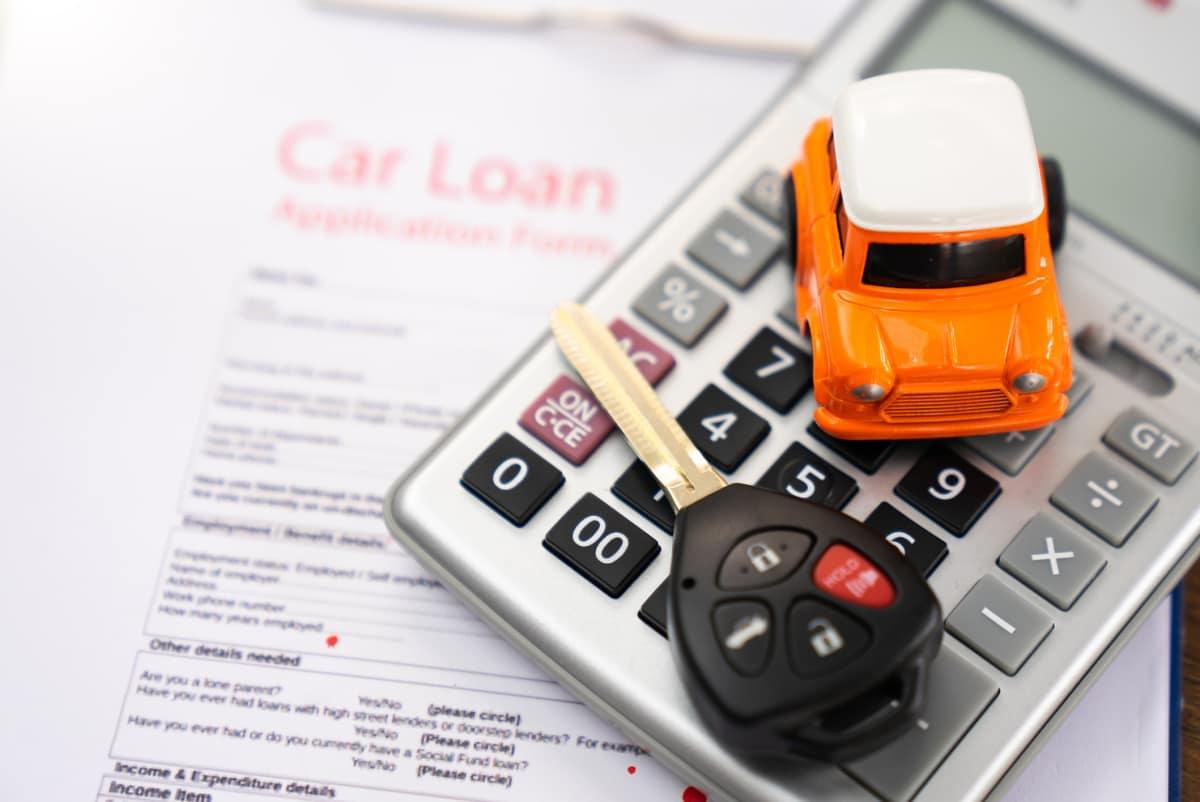
The nation's central bank cut short-term interest rates by a quarter percentage point to a new target range of 3.5% to 3.75%, according to The New York Post. Citing the slowdown in job gains and high unemployment rates, the Fed decided with a split vote. While from a consumer standpoint, it may seem like a good opportunity to refinance higher-rate mortgages and car loans, analysts estimate that the latter may not get cheaper.
According to AP News, Americans have faced steeper auto loan rates for the past three years after the Fed raised the benchmark interest rates in 2022. While that is not expected to come down any time soon, the recent rate cuts may lead to eventual relief, although its arrival will be delayed, analysts told the publication.
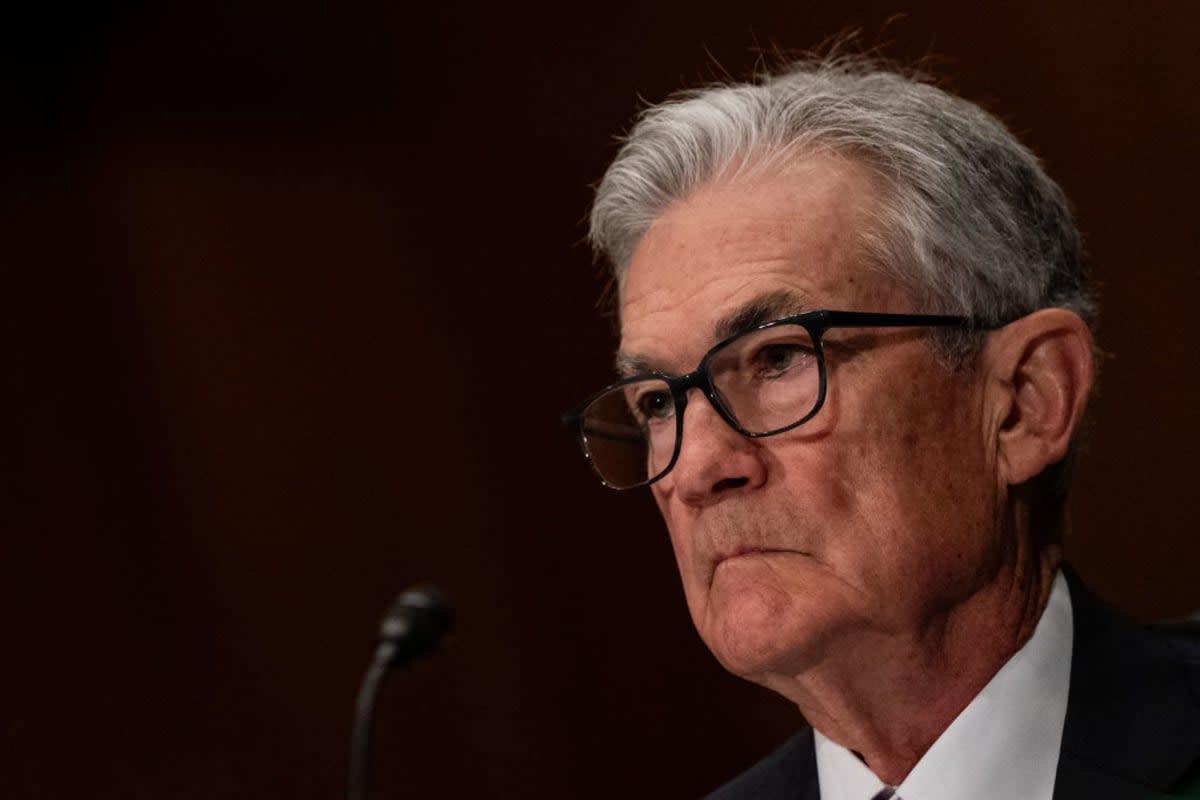
Furthermore, another shift in the market may contribute to expensive car loans. Citing Experian's Q3 State of the Automotive Finance Market, The Street noted that the 'big banks' seem to have taken control, and they may soon dictate the terms of auto loans. The report shows that banks now occupy 28.9% of total auto financing. This marked the sharpest gain of any lender type, marking a growth of 3.1 percentage points from a year earlier.
The publication noted that with the banks controlling the market, consumers with high credit scores may be favored, if they use it to their advantage. However, for those with scores below 600, things may seem grim. According to AP News, currently, an auto loan annual percentage rate can be between 4% and 30% depending on the borrower's credit score, while the average auto loan interest rates are currently at 7.5% on a 60-month for a new car loan. Thus, with the declining share of credit unions and captive finance companies, consumers with lower credit scores may have fewer options, and the higher interest rates set by the banks may hurt their finances severely.

With rates being high, Equifax’s 2025 auto lending trends piece showed that delinquencies and repossessions are nearly at an all-time high, while data from the Consumer Federation of America shows that U.S. consumers owe a record $1.66 trillion in auto loan debt, making it the largest category of consumer debt after mortgages. This indicates that auto lending is in turmoil as 2.2 million cars have been repossessed so far this year, the highest since the Great Recession, with delinquencies and defaults rising across income levels and credit tiers, CNBC reported.
More on Market Realist: