Trump admin rushes to secure tariff revenue ahead of Supreme Court verdict to avoid paying refunds

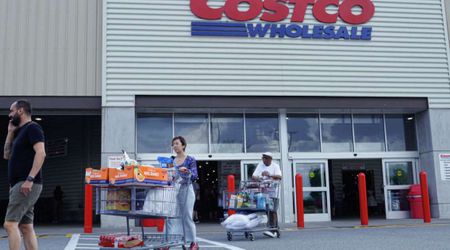
President Trump's tariffs have been facing a backlash from businesses, ire over rising prices, and legal scrutiny in the Supreme Court. More than 100 companies, including Costco, Revlon, Kawasaki, and Toyota, are suing the Trump administration over the 'reciprocal' tariffs, seeking refunds should the Supreme Court declare the tariffs unlawful, as reported by Forbes. The lawsuits challenge the President's authority under the International Emergency Economic Powers Act (IEEPA), claiming only Congress can set tariffs. Lower courts have ruled against the administration, and the case is now before the Supreme Court after oral arguments in November 2025. Companies, fearing risk to their refund rights once U.S. Customs and Border Protection finalizes their payments, are approaching courts separately for refunds.
Hence, the Trump administration is scrambling to transfer tariff revenue into the U.S. Treasury in response to continuing legal actions, which might make it more difficult for businesses to get their funds back if the Supreme Court overturns the tariffs. Attorney Brett Johnson stated during a recent advising webinar for importers that Customs and Border Protection is apparently accelerating the transmission of this money and rejecting pleas to delay final tariff payments.
Tony Gulotta of Ryan, a tax consulting firm, claimed that control over the timing of refunds is made possible by the Trump administration's plan. A shop in Issaquah, Washington, and other businesses recently asked the U.S. Court of International Trade to hear oral arguments on an injunction to prevent Customs and Border Protection from eliminating tariffs. The Department of Justice objected to this request, arguing that if the tariffs, which are presently under "active consideration" by the Supreme Court, are declared unlawful, the court might still grant refunds.

After lower courts rejected the administration's position, the justices heard oral arguments on cases challenging tariffs on November 5. The possibility of tariff invalidation is increased by the conservative majority of the court's doubts about the legitimacy of pursuing trade wars under the 1977 law. Companies are aware that CBP's previous liquidation extension processes, which are evaluated on an individual basis, are not publicly disclosed. Customs authorities have generally permitted flexibility in tariff disputes, protecting refund rights until legal results are decided, according to trade attorneys.
The Trump administration refused to take charge of the situation and did not acknowledge CBP's liquidation. As of October 31, tariffs had brought in nearly $88 billion. Few importers have filed complaints at the CIT, and trade lawyers disagree on whether businesses should file claims right away to obtain refunds for tariffs that have been rejected. They also disagree on the possible scope of government payments. “It would be, I think, a political mistake to seek to deny refunds if the Supreme Court found that there was no basis to begin with to impose the tariffs,” Alan Wolff, a former deputy director-general of the World Trade Organization and former U.S. trade official, stated, before adding, “The idea that the government could act without legal authority and provide no remedy is not going to be acceptable.”
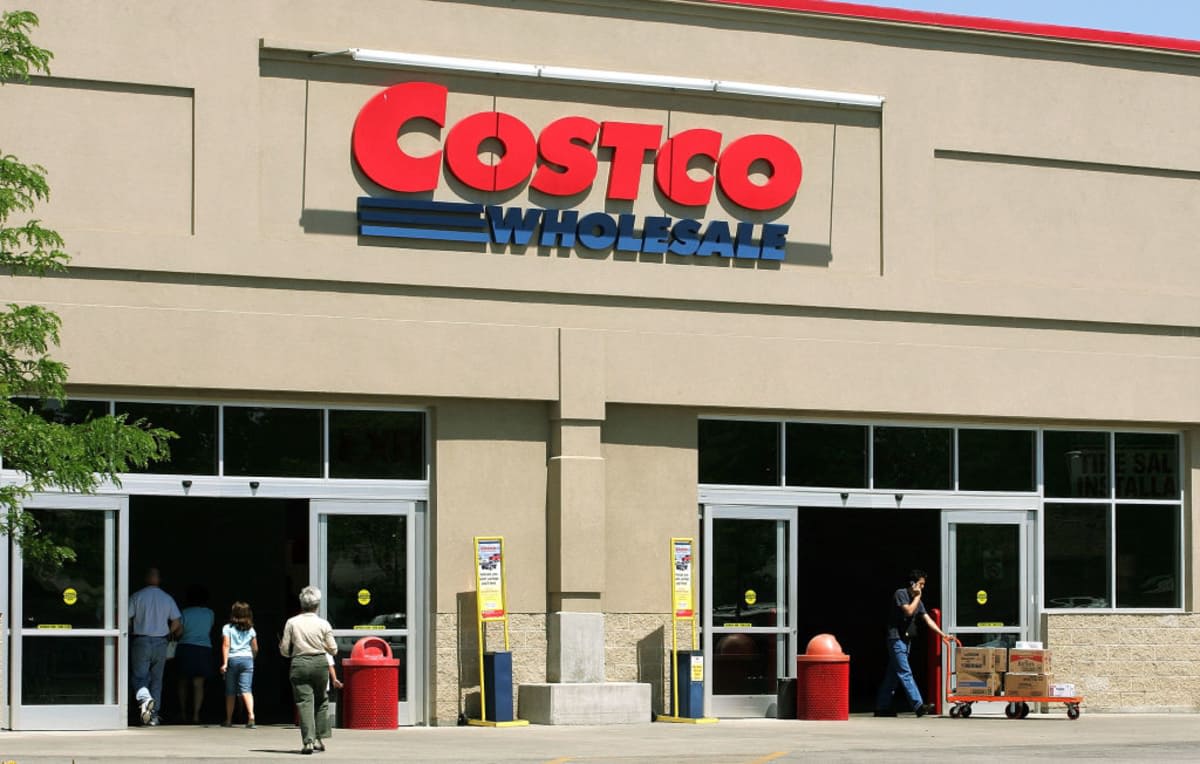
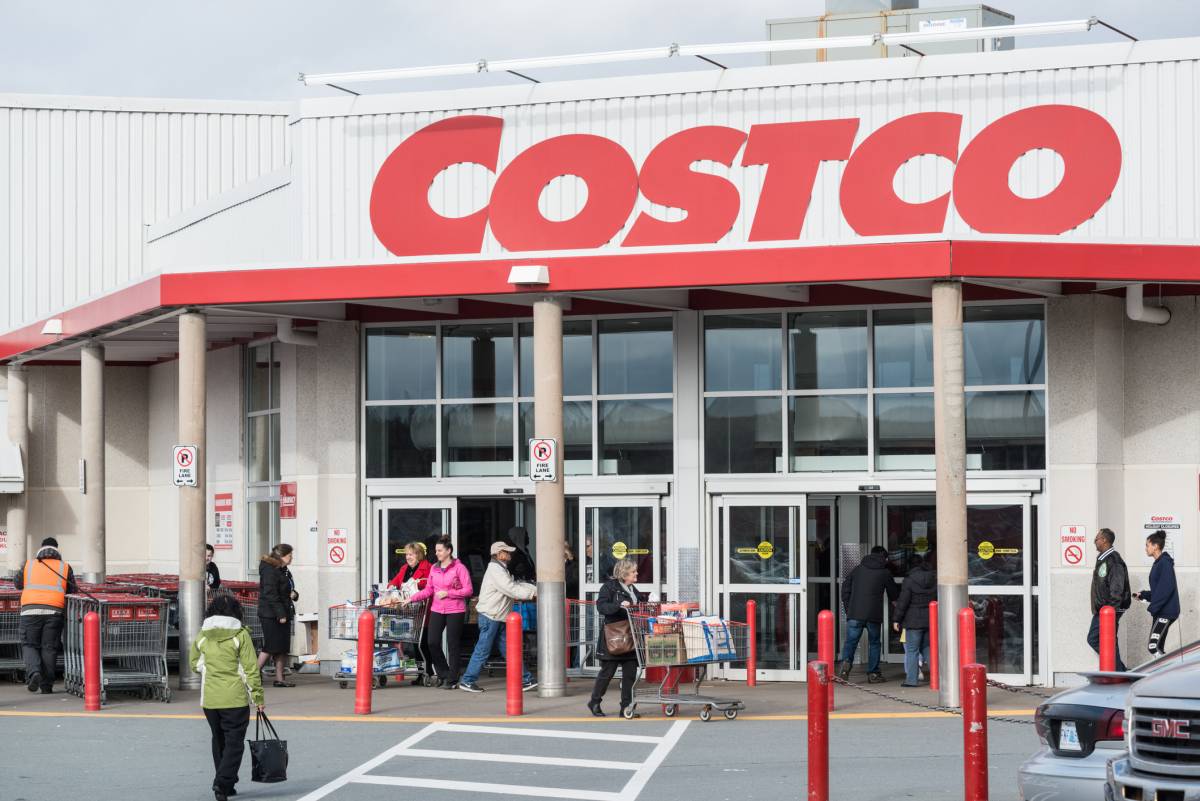
However, Costco's court filing stated that CBP rejected its request to postpone liquidation before the Dec. 15 deadline. According to reports from other businesses, such as Bumble Bee and Revlon, CBP has refused to prolong liquidation for entries that are subject to IEEPA duties. Companies that have sued the Trump administration have expressed worry over the rising trend and demanded strict action ahead of the Supreme Court verdict.
More on Market Realist:
Trump admin set to make major changes to Social Security in 2026 — here are the key details
Trump is optimistic about US economy — but a new poll predicts a grim future for Americans
Top economist warns US could be entering a 'jobs recession' — thanks to Trump's tariffs