
Trump's tariffs are hurting American consumers more than exporters— here's how much they're paying
Research from Kiel Institute found foreign trade partners are bearing only 4% of the added costs.
Jan. 20 2026, Published 8:02 a.m. ET

The majority of President Trump's tariff costs, about 96%, were paid not by foreign exporters but U.S. buyers, according to a study conducted by the Kiel Institute for the World Economy, a German think tank. The report released on Monday noted that almost all of the tariff burden was pushed onto the importers, manufacturers, retailers, and eventually the American consumers, as "foreign exporters did not meaningfully reduce their prices in response to US tariff increases." The findings negate the Trump administration's claim that only foreign trading partners are bearing the added costs.
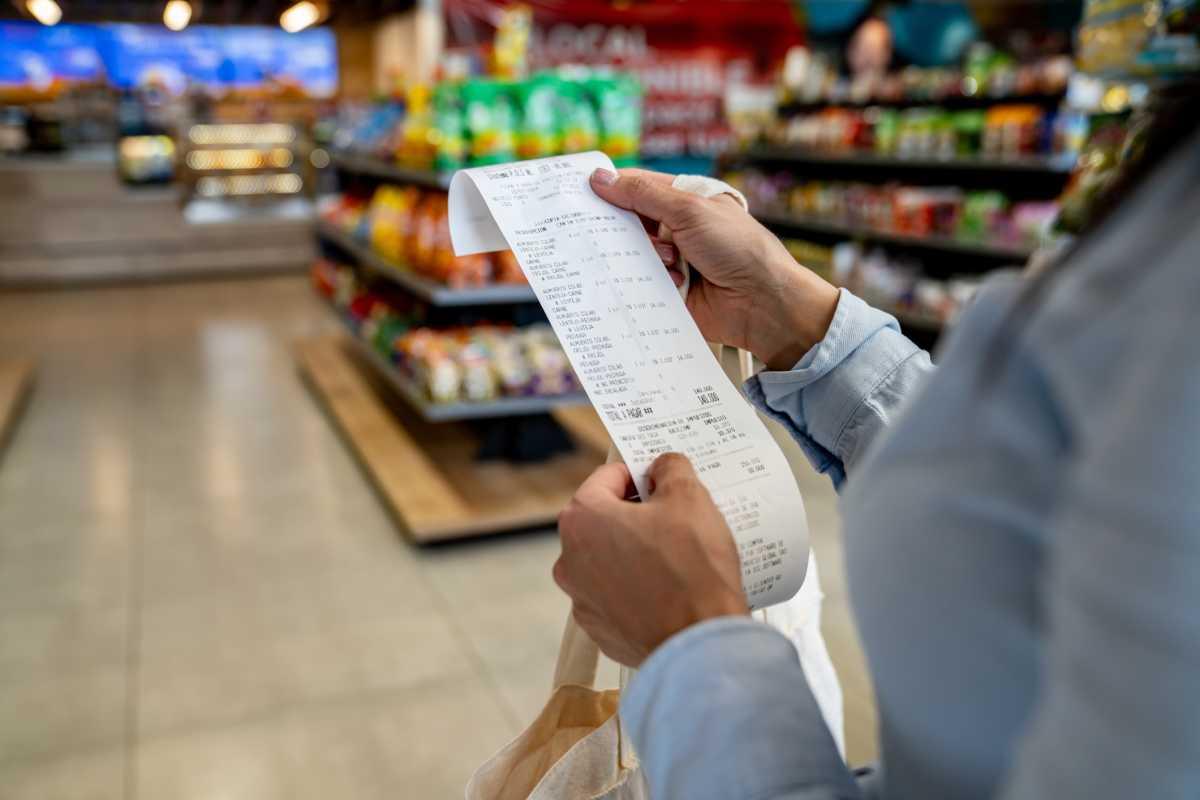
Trump pushed aggressive tariffs last year with additional duties on dozens of trade partners, including China, India, and the European Union. Examining the transactions worth $4 trillion, the researchers found that there was a "near-complete pass-through" of the tariffs. The study, which examined over 25 million shipment records, noted a $200 billion increase in customs revenue from the tariff hikes in 2025 and essentially deemed it as a "tax paid almost entirely by Americans."
The study suggests only 4% of the financial burden created by the tariffs was being paid by foreign operators, while the other 96% was effectively passed on as a "consumption tax on Americans" and businesses. "US import prices rise nearly one-for-one with tariffs, while trade volumes contract," the study said. Researchers cited both Brazil and India, which had 50% tariffs applied to their exports, as the countries that "did not substantially reduce their dollar prices."
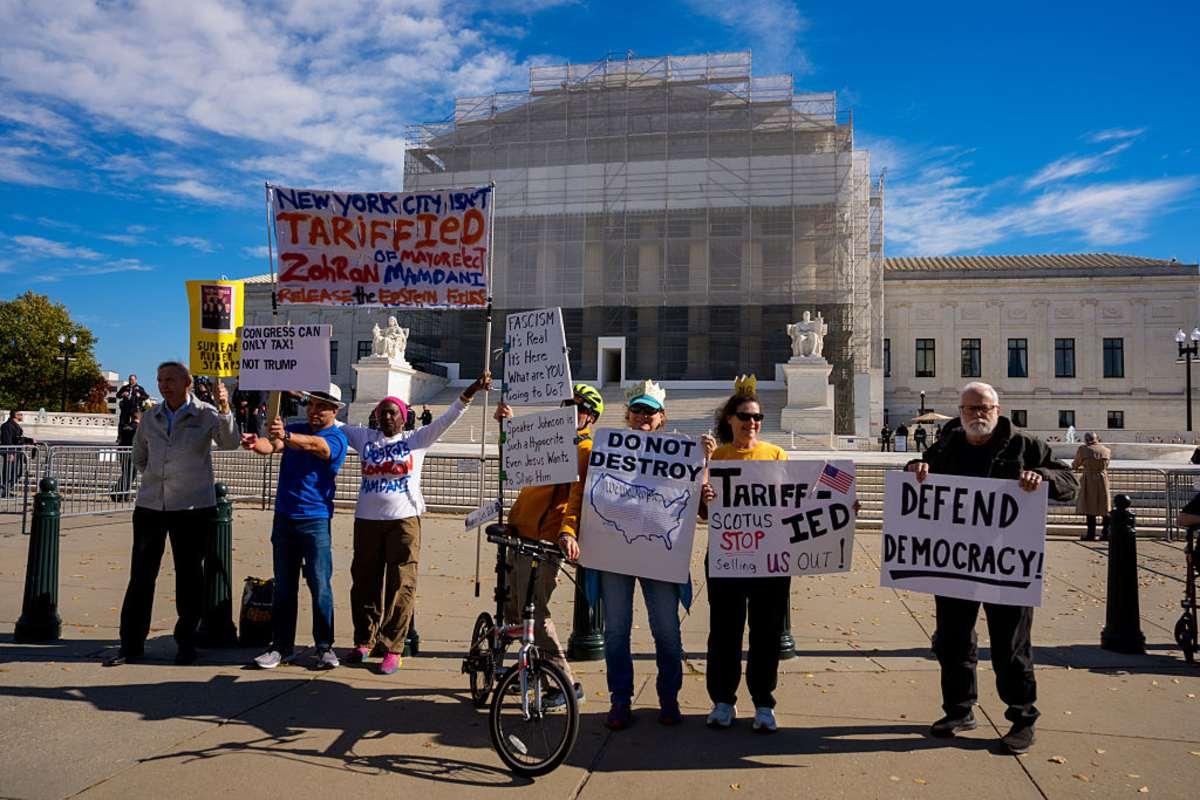
The study explained that American importers had to make the decision to either pay the increased prices themselves or pass them to the manufacturers and retailers. The two parties then had the same choice to make, which was either to absorb the costs or pass them along to consumers. Eventually, American consumers are hit by the increased prices of both imported goods and American-made goods that use foreign raw materials. "At the same time, both the variety and volume of available products decrease," the researchers noted.
Thus, the claim that foreign trading partners are exclusively paying the price for the tariffs appears to be false. “This claim has been central to the policy’s justification: Tariffs are framed as a tool to extract concessions from trading partners while generating revenue for the US government — at no cost to American households," the report noted. It then added, “Our research shows the opposite: American importers and consumers bear nearly all the cost."
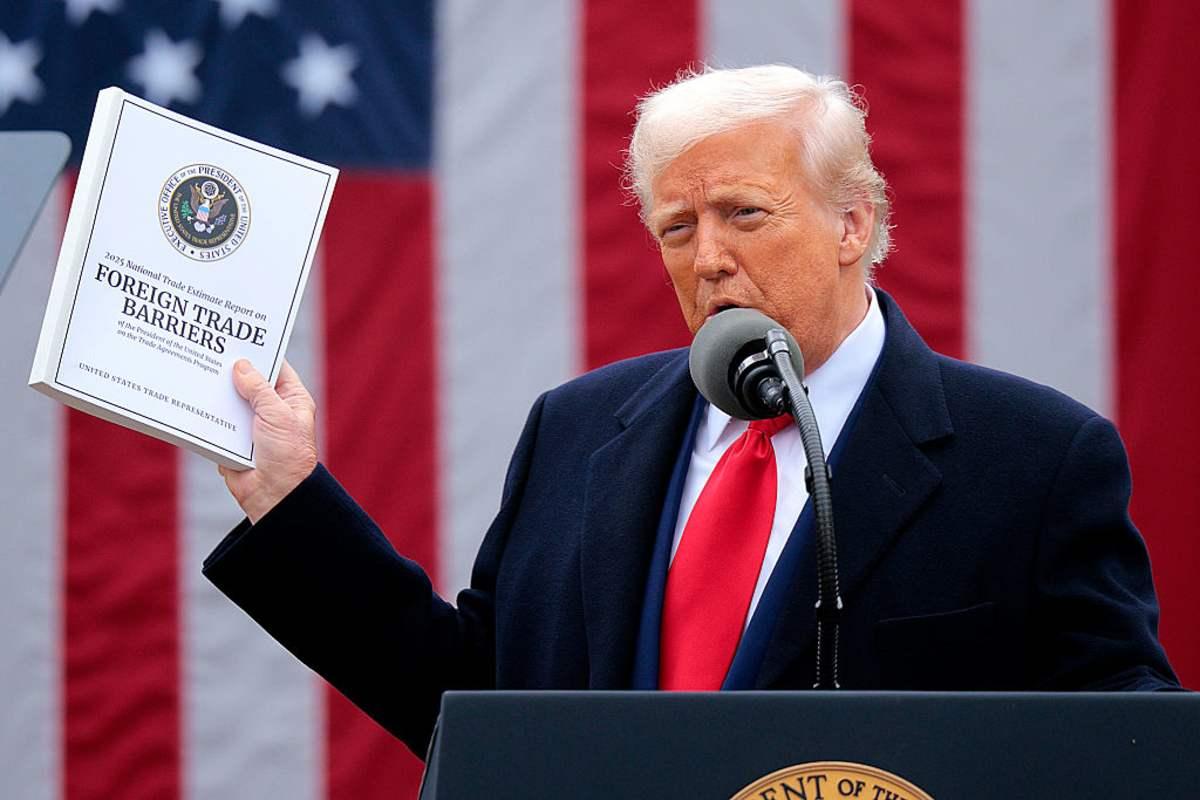
The findings fall in line with research from other institutions, including Harvard Business School and The Budget Lab at Yale. The notion of Americans paying for the tariff costs was also echoed by the Bank of America and analysts at Deutsche Bank last year. Meanwhile, Trump has pushed ahead with his aggressive trade policies, most recently threatening the European Union with tariffs for his desired acquisition of Greenland. On the other hand, the Supreme Court is set to rule on the legality of the tariffs that the president imposed, after allegedly overstepping his authority to use the International Emergency Economic Powers Act.
More on Market Realist: