Authorities issue major warning about a letter scam being sent out to dupe taxpayers

Cybercriminals come up with new tricks time and again, and this time, a new letter scam is circulating in Michigan that requests taxpayers to contact bogus toll-free numbers, in the context of due tax payments. The Michigan Department of Treasury has warned residents of a new potential scam called the "Reminder of Tax Due" scam, where fake letters are being sent to dupe taxpayers. The department has warned that these letters contain incorrect toll-free numbers, which may connect callers to scammers, who may steal their sensitive information or take their money.
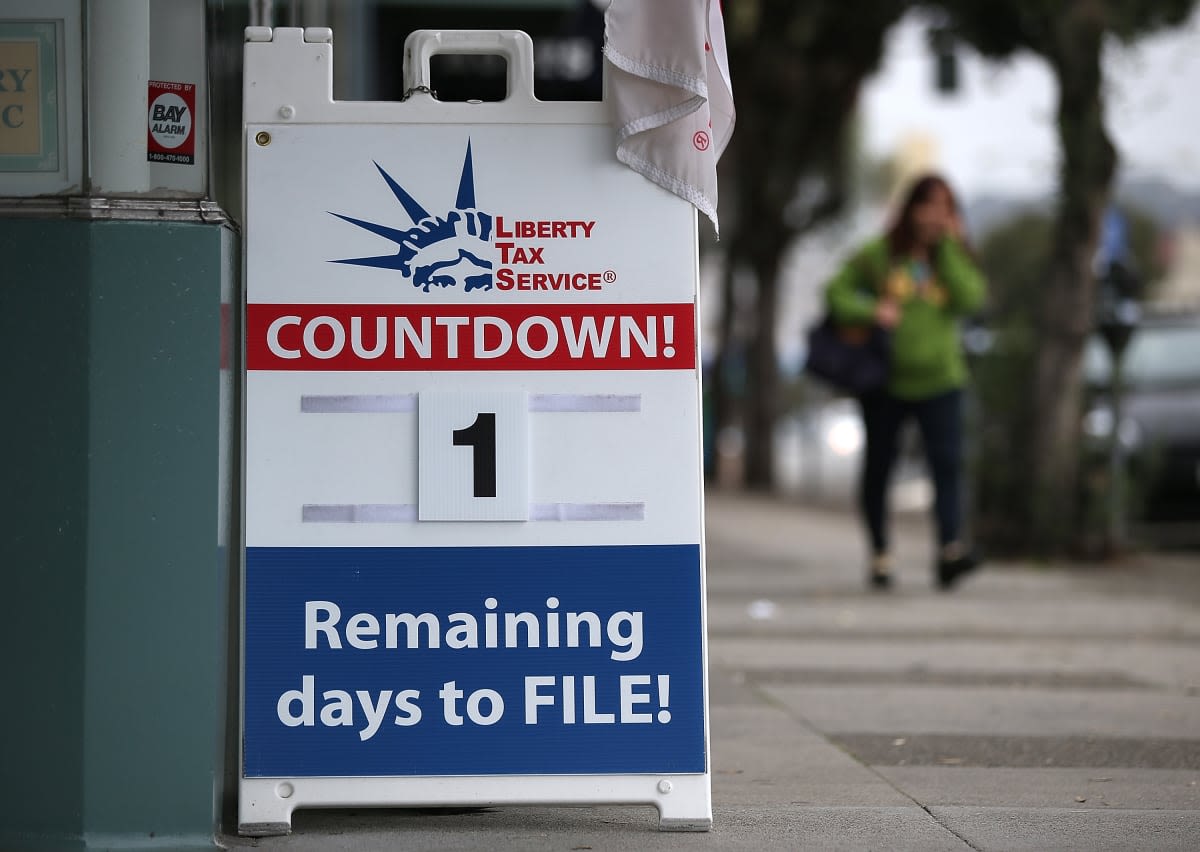
The state officials posted a warning on the agency's website, cautioning the residents. The warning urged people to ignore such false communication and contact the treasury directly for any queries related to unpaid individual income taxes on the official helpline: 517-636-4486. This is the second time in three months that the agency had to issue a warning about a tax scam.
Earlier in September, the agency issued a warning over a scam involving a fake text message referencing tax refunds that falsely claim to be from the Treasury Department. The agency said it sends notifications to taxpayers via official letters sent through the U.S. Postal Service. In the scheme, the agency warned that scammers send "urgent, unsolicited messages" that falsely claim that a refund has been processed and that the accurate payment information must be submitted by the taxpayer to avoid the payment from being forfeited.

"This scam is just another trick in the cybercriminal playbook. Taxpayers who receive this bogus text message should immediately delete it. If you have questions about an outstanding refund, taxes owed, or another state tax issue, please contact us so we can log the scam and discuss your options,” Katina Litterini, who oversees Treasury's Tax Administration Services Bureau, said in a release. The Michigan Department of Treasury added that the agency always corresponds with taxpayers through official letters sent through the U.S. Postal Service.
The IRS has issued several warnings regarding tax scams, which typically rise as the filing season approaches. The IRS urges taxpayers to ignore suspicious emails, attachments, and links sent by parties claiming to be officials from the IRS or any other department. The agency has clarified that it only reaches out to taxpayers via paper bills sent through the mail first, and in rare cases or special circumstances, agents call or visit a home or business.

Anyone suspicious of a message, email, or call should report it to the IRS by saving/recording the communication sent to them. The official email for reporting such scams is phishing@irs.gov. The subject line should include "IRS Phone Scam," followed by reporting the call to the Federal Trade Commission. More importantly, any link or attachments in the email should not be clicked or opened, nor replybe sent to the sender. In fact, no action of any sort needs to be taken that could very well put the victims at major risk.
More on Market Realist:
Walmart customer realizes he fell victim to return fraud after buying oil filter from its store
Before you start your holiday shopping, the FBI has a warning about these growing scams
9 American states to slash individual income tax rates in 2026 — key details revealed