Analysts worried as new job market data reveals 'gut-wrenching' economic trend

Despite President Trump's claims about affordability and the stock market's performance, one pain point raises concern among experts. Fresh labor market data released this week shows employers added fewer jobs in the past two months, with the unemployment rate hovering high. According to the Bureau of Labor Statistics, the U.S. added only 64,000 jobs in November, and that number dropped to 50,000 in December, falling well short of analysts' expectations. As 2025 ended as one of the most volatile years for the labor market, Diane Swonk, chief economist at KPMG, told Fortune that “It’s gut-wrenching."
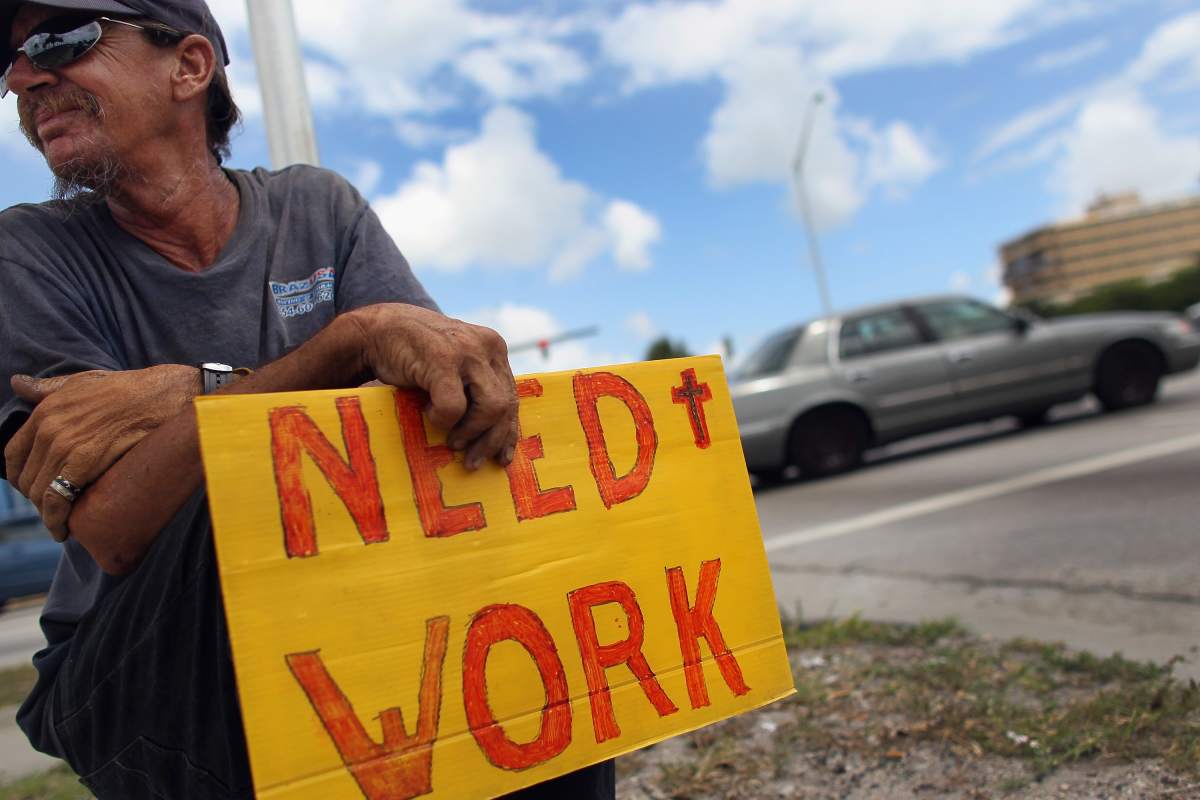
Swonk added that the economy is growing and failing to generate jobs at the same time. The Job Openings and Labor Turnover Survey (JOLTS), which is the official government data, showed that openings fell to about 7.1 million in November, down sharply from October and nearly 900,000 lower than a year earlier. The “quit rate,” which is regarded as the ultimate barometer for worker confidence, also remained stagnant at 2.0% in November, which Swonk remarked as shocking. Fortune noted that this level of inertia had not occurred since 2014, when the economy was still recovering from the Great Recession. Swonk noted that workers are "clinging on" to their jobs out of sheer fear.
The observation was corroborated by the New York Fed's December 2025 Survey of Consumer Expectations, where respondents gave themselves only a 43.1% chance of finding a new job if they're laid off. This was the lowest level since the survey started in 2013, and it marked the second record low after respondents gave themselves a 44.9% chance in August.

The recently released December job market data showed further signs of softening, as only 50,000 jobs were added. With this, 2025 saw the weakest annual job growth since 2003, adding just 584,000 jobs, down from an increase of 2 million in 2024. The numbers gave mixed signals as the unemployment rate slightly fell from 4.6% to 4.4%, which is still close to the highest rate since September 2021, as per USA Today. “The labor market’s resilience is being tested, and the coming months will be critical in determining whether this is a late-cycle slowdown or the prelude to something more persistent,” said Dustin Thackeray, a CFA, partner, and head of portfolio management at Crewe Advisors, told the Publication.
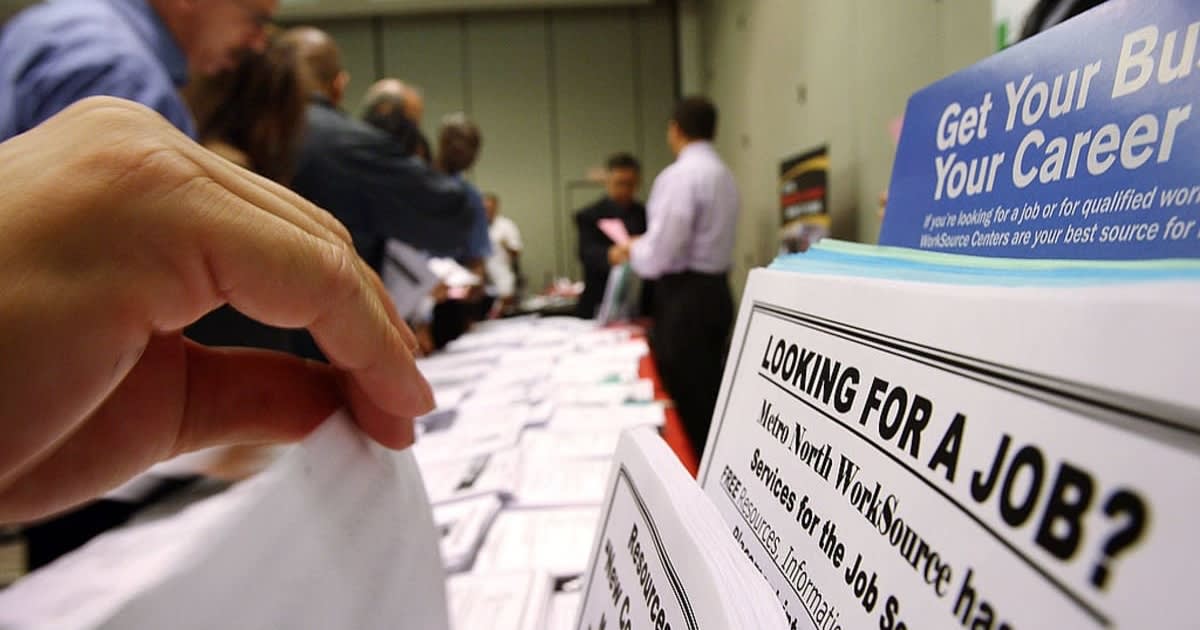
Furthermore, the job report data bolstered the label of a 'low-hire, low-fire labor market' which has resulted in more people on the outside, looking in. CNN noted that the share of people who were unemployed for 27 weeks or more went up to 26%, which indicates, “unemployment is increasingly becoming a permanent state rather than a temporary transition,” according to Nicole Bachaud, ZipRecruiter’s labor economist. Additionally, “Older workers are increasingly remaining in the labor market for longer,” Bachaud wrote in a note, adding that the trend is driven by both the rise in life expectancy and pressure of retirement savings due to affordability concerns. The few bright spots in the data included stronger-than-expected wage gains, as average hourly earnings rose by 0.3% for the month, marking an overall increase of 3.8% for the year, a modest gain over inflation.
More on Market Realist:
Over 100 companies including Nike and Amazon submit layoff plans — and one thing is to blame
Here are 5 overlooked yet high-demand jobs that pay over $120,000 in 2026
AI might take over more than one in four teen jobs in US by 2030 — should you be worried?