Top strategist spots red flags that remind him of 1929 stock market crash — and AI isn’t the reason

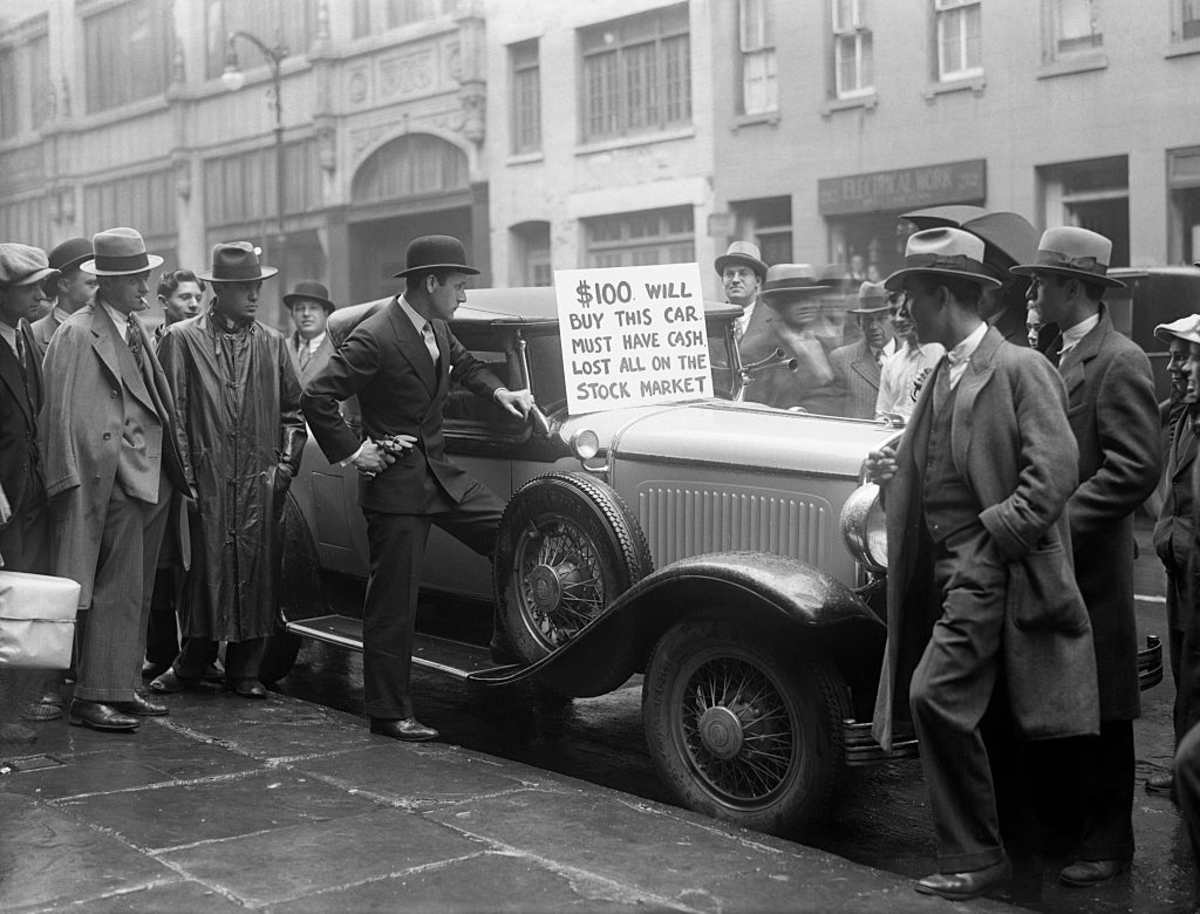
Michael Green, who went viral late last year for calling the $140,000 mark the new poverty line, has shared another hot take that may rattle investors. The portfolio manager and chief market strategist at Simplify Asset Management recently told Business Insider that he is worried about a market bubble that is unrelated to artificial intelligence. Calling it a "passive investment" bubble, he cautioned that the phenomenon is a "much more salient" risk to investors, as it could create a framework similar to the 1929 market crash.
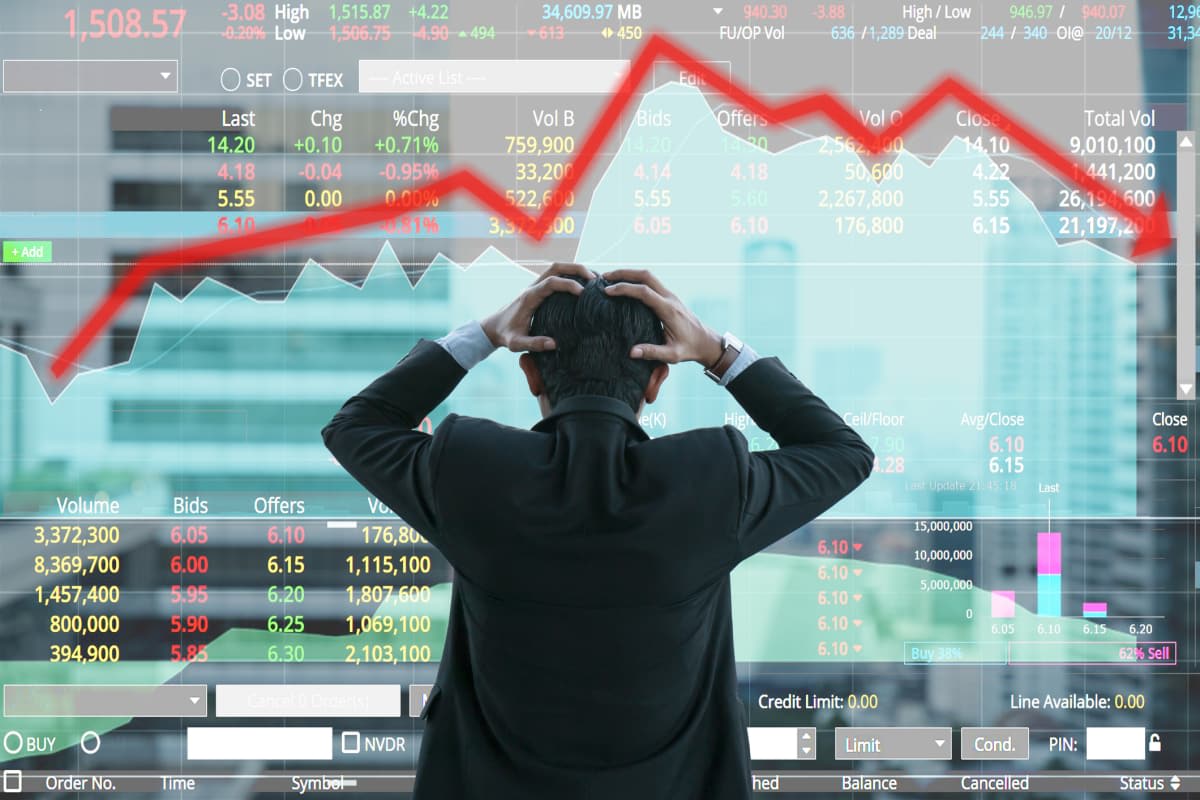
Talking about the overwhelmingly common practice of investing in passively managed funds that are usually designed to track indices like the S&P 500, Green said it worried him more than the potential AI market bubble. "I am actually much less concerned about the impact of AI on the stock market in terms of valuations or anything else," Green told the publication in his interview. Despite the sell-off shockwave in software stocks this week, Green called the passive investment bubble a bigger risk. "Basically, this is a scenario in which you are creating a crash of a 1929-type framework," he said. According to LSEG data, global assets under passive funds have exploded in the past decade, soaring by over 400% between 2012 and 2023.
Thus, Green, who is often referred to as the "Cassandra of Passive Investing," believes the popularity of these funds has artificially inflated valuations in the U.S. stock markets by 15% each year, as per his own estimates. He noted that the effect is most pronounced among large-cap companies, which puts investors at risk. Last year, in his presentation at a CFA Society Virginia event, Green cautioned that passive strategies are controlling an enormous amount of capital, about 45% in index funds, futures, option hedging, total return swaps, and more. He stated that this trend could leave the market prone to violent swings and potential crashes.
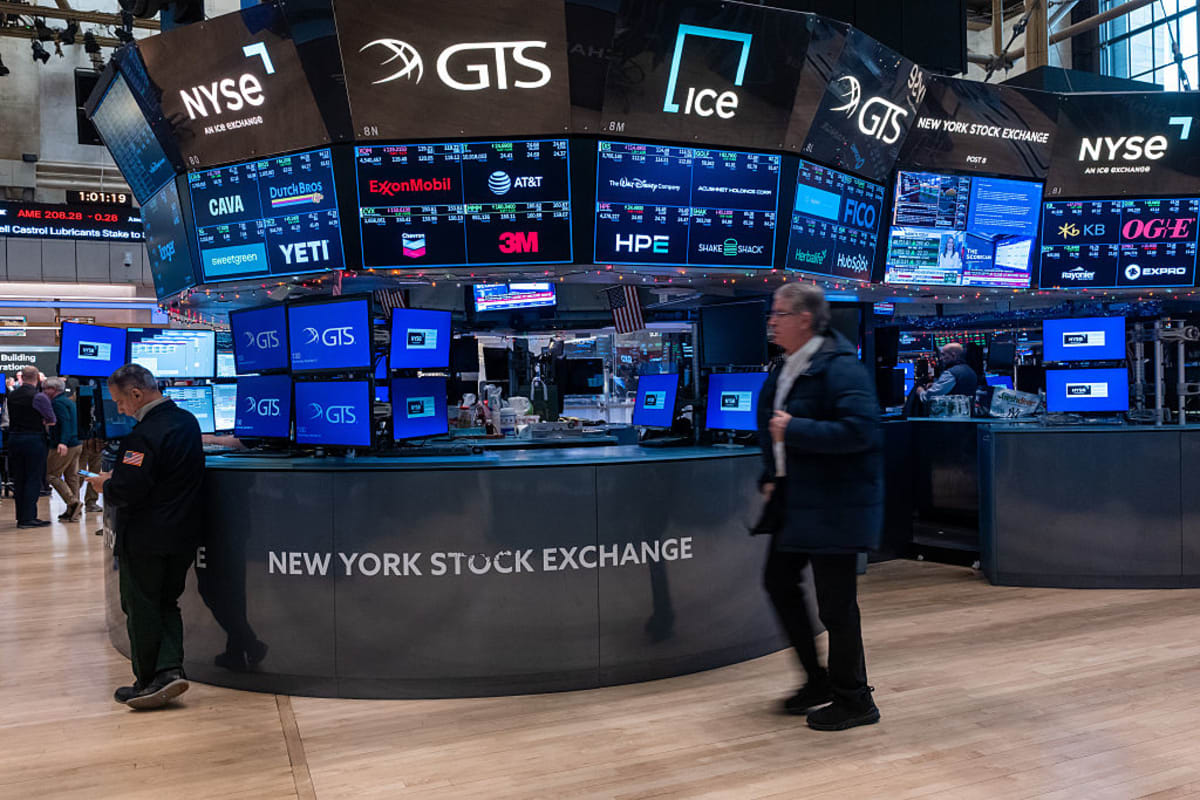
"Unfortunately, I think that largely people are being allocated into radically overvalued securities with no real fundamental link to much of the performance that we have seen over the past several years," he said in his recent Business Insider interview, adding that it was the popularity of passive investing that created the hype for AI stocks. He cautioned that flows to passive funds could slow or turn negative and catalysts such as increased layoffs could prompt investors to cash out their stock holdings and cause a market crash, which is a call back to his quote, “We know what happens when everybody does the same thing in markets,” he said at the CFA Society Virginia event in April last year.

Green says the worst-case scenario could be like the "volatility volmaggedon" the market experienced in 2018, when the spike in VIX caused investors to dump inverse volatility ETPs, and the financial products, which benefit from lower volatility, crashed by over 90% in a single day. Green added that he is also worried about the private credit market, as software accounts for roughly 40%. "This is not a small space. Crises tend to emerge from the credit space," Green told BI.
More on Market Realist:
Turns out, an AI-generated fake news has the power to trigger a stock market crash
Federal Reserve Governor opens up about AI boom — and it's not good news for US job market
Expert who predicted the dotcom crash says Americans could face a much bigger crisis soon