
Analysts warn Trump's proposed defense budget will cause a major problem for US economy
The CRFB estimates the plan would add $5.8 trillion to the national debt over a decade.
Jan. 9 2026, Published 8:32 a.m. ET

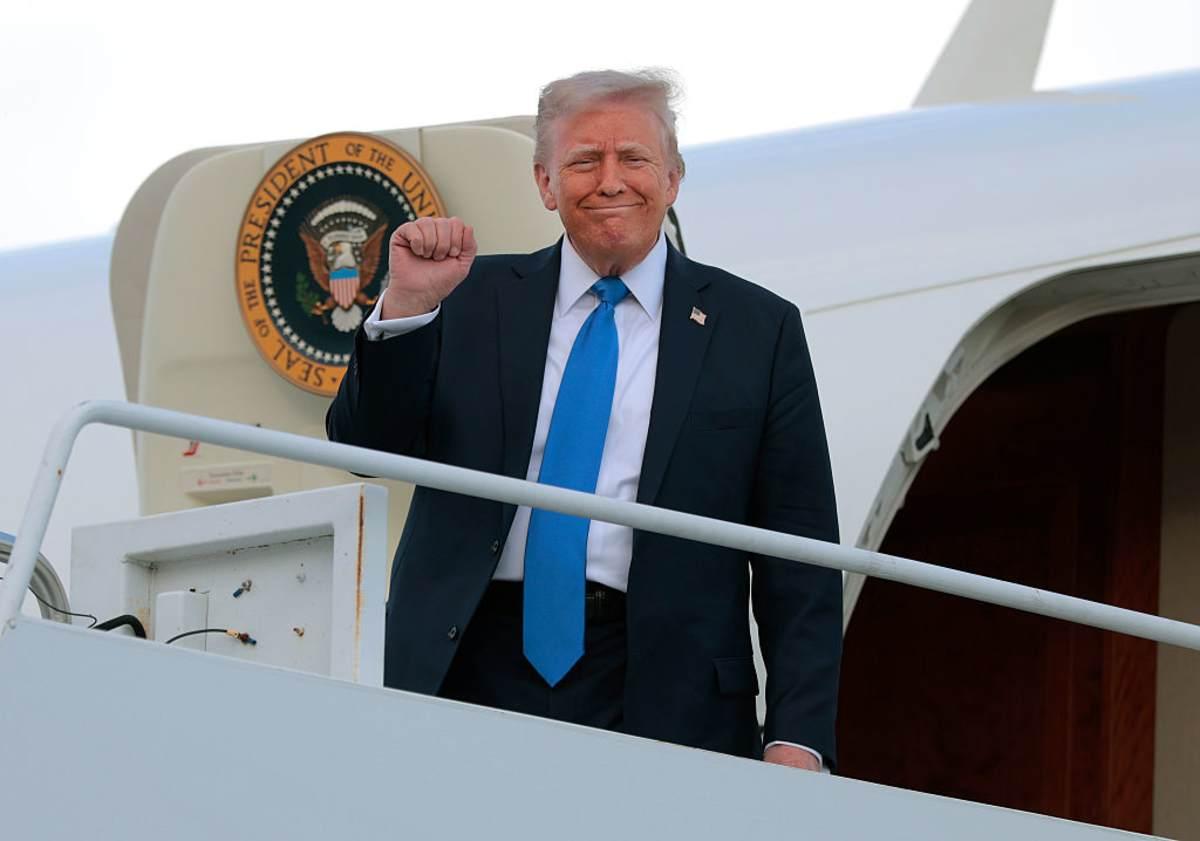
President Donald Trump's sudden proposal to increase U.S. military spending to $1.5 trillion for Fiscal Year 2027 has drawn sharp criticism from analysts. According to the Committee for a Responsible Federal Budget (CRFB), the plan that the president touted on his social media platform, Truth Social, will widen trade deficits and add to the ever-mounting national debt. The nonpartisan think tank estimates that the proposal would cost $5 trillion through 2035, while adding $5.8 to the U.S. debt with interest. Analysts at Moody's further told Reuters that the cost is unlikely to be offset by revenues or savings of the government.

In a post on Truth Social, Trump shared that after discussions with lawmakers and administration officials, he thinks "in these very troubled and dangerous times, our Military Budget for the year 2027 should not be $1 Trillion Dollars, but rather $1.5 Trillion Dollars." In his post, the president claimed that the tariff revenues would be used to cover the increased defense budget and fund other priorities, such as the tariff dividends. He added that the increased budget would allow the U.S. to "build the 'Dream Military'" that the U.S. has long been entitled to. Trump claimed that it will "keep us SAFE and SECURE, regardless of foe."
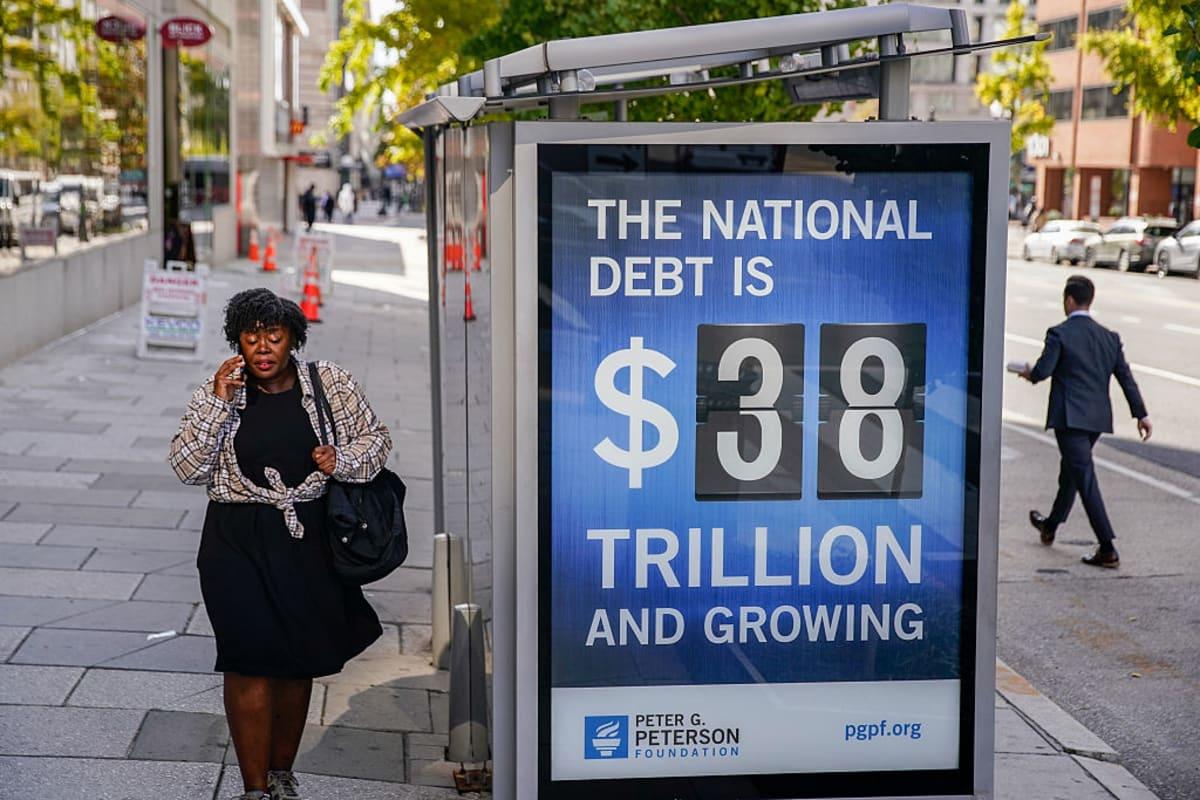
However, according to an analysis released on Wednesday by the CFRB, the president’s plan would add $5.8 trillion to the national debt over the next decade, after interest costs are factored in. The CFRB noted that the current Congressional Budget Office estimated that tariffs would bring in $2.5 trillion in additional revenue through 2035, or $3 trillion with interest, but that, on a dynamic basis, is likely to be somewhat smaller after accounting for the economic shifts caused by the tariffs.
"A substantial increase in defense spending, of a similar order of magnitude as the 50% rise proposed by the President, would be highly unlikely to be offset elsewhere given the political and policy difficulties in finding commensurate savings or revenue sources, "David Rogovic, senior vice president of sovereign risk group at Moody’s Ratings, said in a statement, Reuters reported. Rogovic added that the sustained debt-financed increase in spending would further widen the U.S. fiscal deficits, increase the interest burden, and limit fiscal flexibility. "While higher defense spending would also lift GDP growth, the related additional government revenue would not offset the spending increase,” he explained.
Furthermore, a significant portion of the president's tariffs were implemented under the International Emergency Economic Powers Act (IEEPA), the legality of which is soon to be determined by the Supreme Court. With most experts expecting the judiciary to curtail the tariffs if not strike them down, Trump's proposed plan will likely be in jeopardy. Despite the uncertainty, the stocks of U.S. defense stocks rose sharply, partly due to the announcement and mainly due to other developments. Trump recently signed an executive order that potentially bans military supply chain companies from making stock buybacks or from paying senior executives more than $5 million if the White House thinks they aren't working fast enough or producing high-quality equipment, Fortune reported.
More on Market Realist: