IMF says Trump's economy will continue to grow — but warns him to 'be careful' about two things

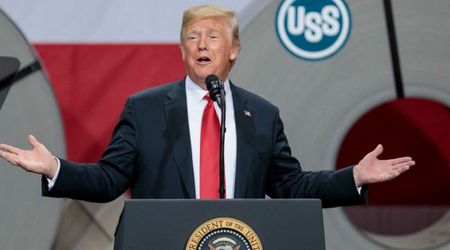
U.S. President Donald Trump said the nation was “winning again, and in fact, we’re winning so much that we really don’t know what to do about it,” in his record-length State of the Union Address. While critics were busy fact-checking most of his claims, the president was strangely on point, at least on the economic front, according to the International Monetary Fund's analysis, which this week highlighted that the U.S. economy is still a powerhouse. While the international organization forecast the strong numbers to hold for another year, it urged the Trump administration to deploy “a different set of policies” to avoid the negative economic consequences of tariffs and the threat of an ever-growing deficit.
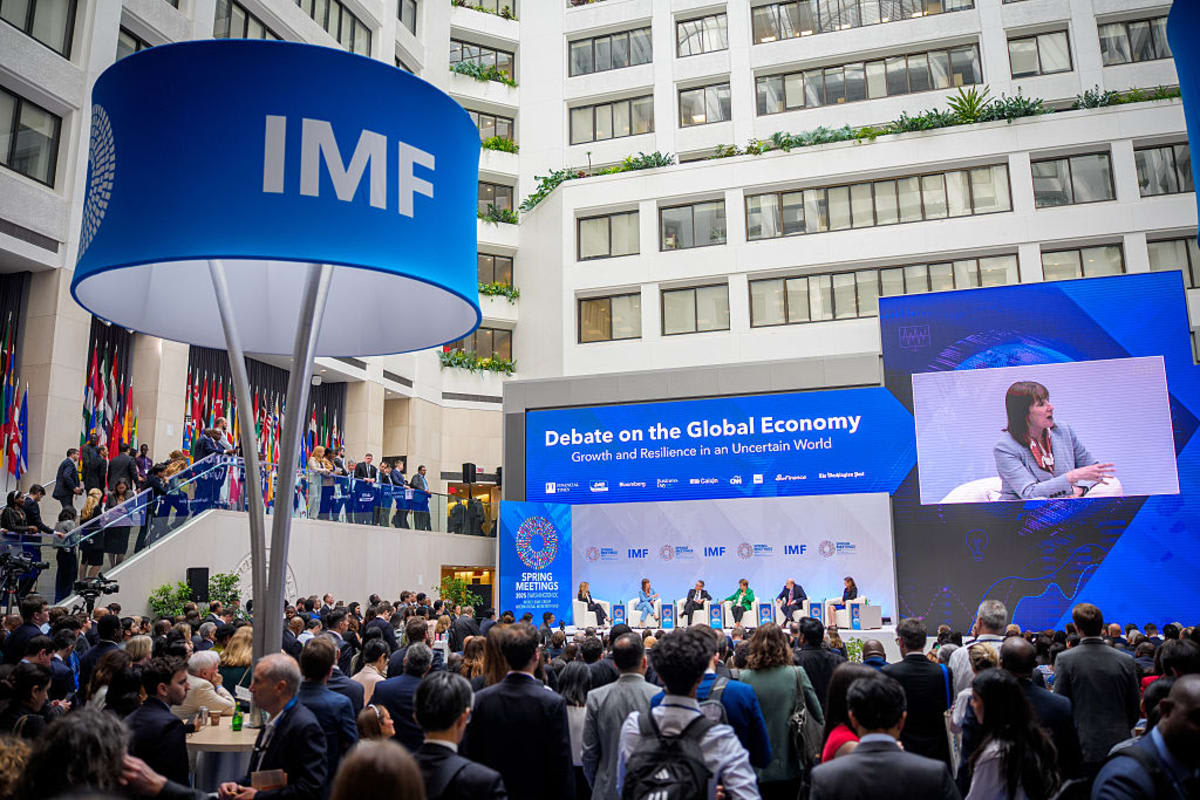
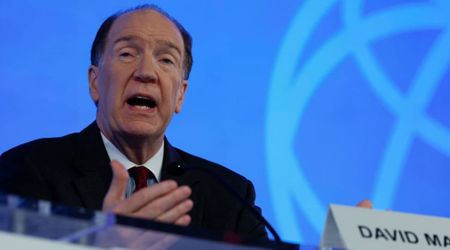
“We expect that a buoyant U.S. economy will continue to grow strongly throughout this and next year,” Kristalina Georgieva, the IMF’s managing director, said on Wednesday in a press briefing after the agency released its annual review and outlook for the U.S. economy. In its first "Article IV" review of the Trump administration's policies, the IMF noted that U.S. growth for 2026 would be resilient at a 2.4% rate, but inflation would not crawl to the Federal Reserve's 2% target until 2027. But the cause of concern for the economy, according to the fund, was the U.S. fiscal deficits, which, according to estimates, would remain between 7% and 8% of GDP in the coming years.
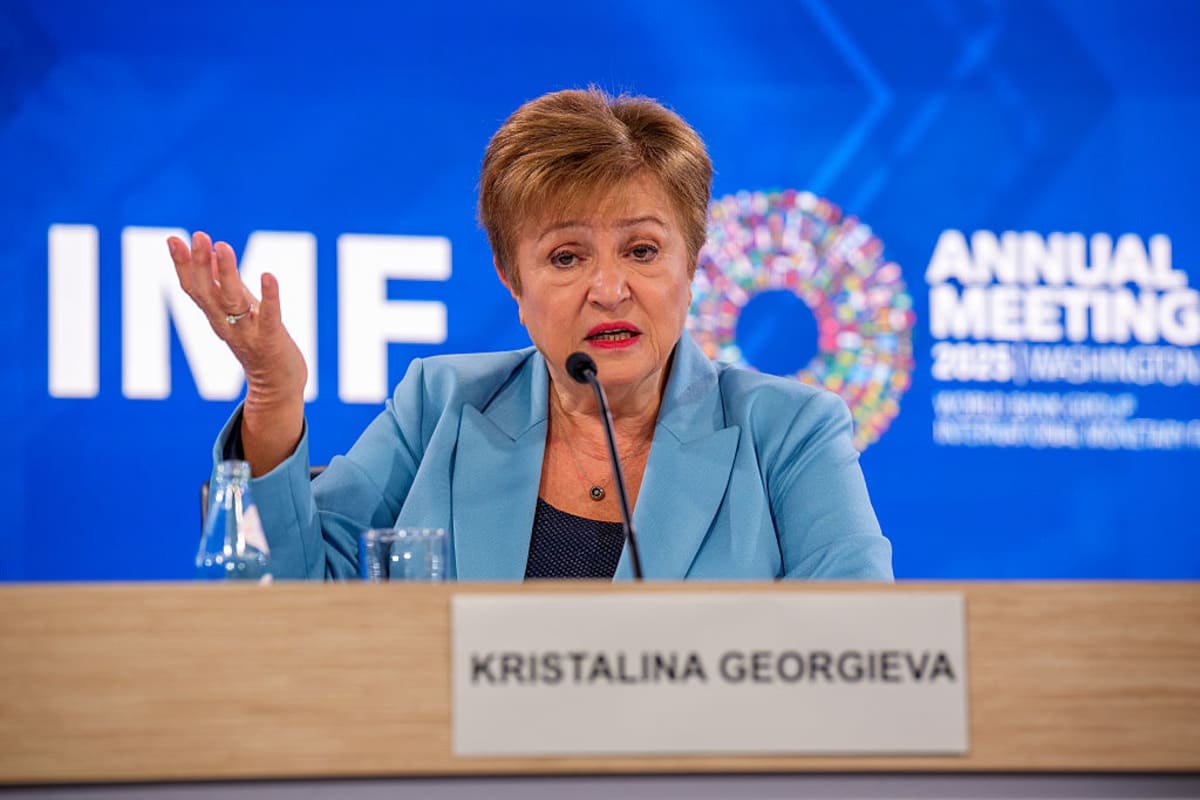
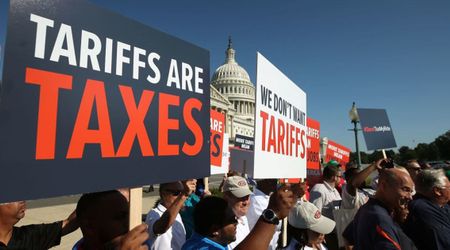
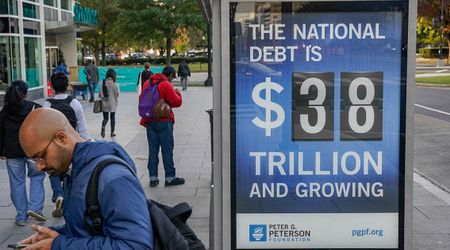
The projected levels are more than twice the 3% target set by U.S. Treasury Secretary Scott Bessent, and the picture for the nation's debt isn't any better, Fortune reported. As per the IMF, the consolidated general government debt is expected to reach 140% of GDP by 2031, and a strong economy will be the country's only chance to counter both. However, according to the IMF’s recommendations, Trump's signature economic weapon, the sweeping tariffs, is working against the country reaching a balanced budget. While the Supreme Court struck down the emergency tariffs imposed by the president last year, Trump swiftly replaced them with a universal 15% levy and promised to keep the tariffs going for longer.
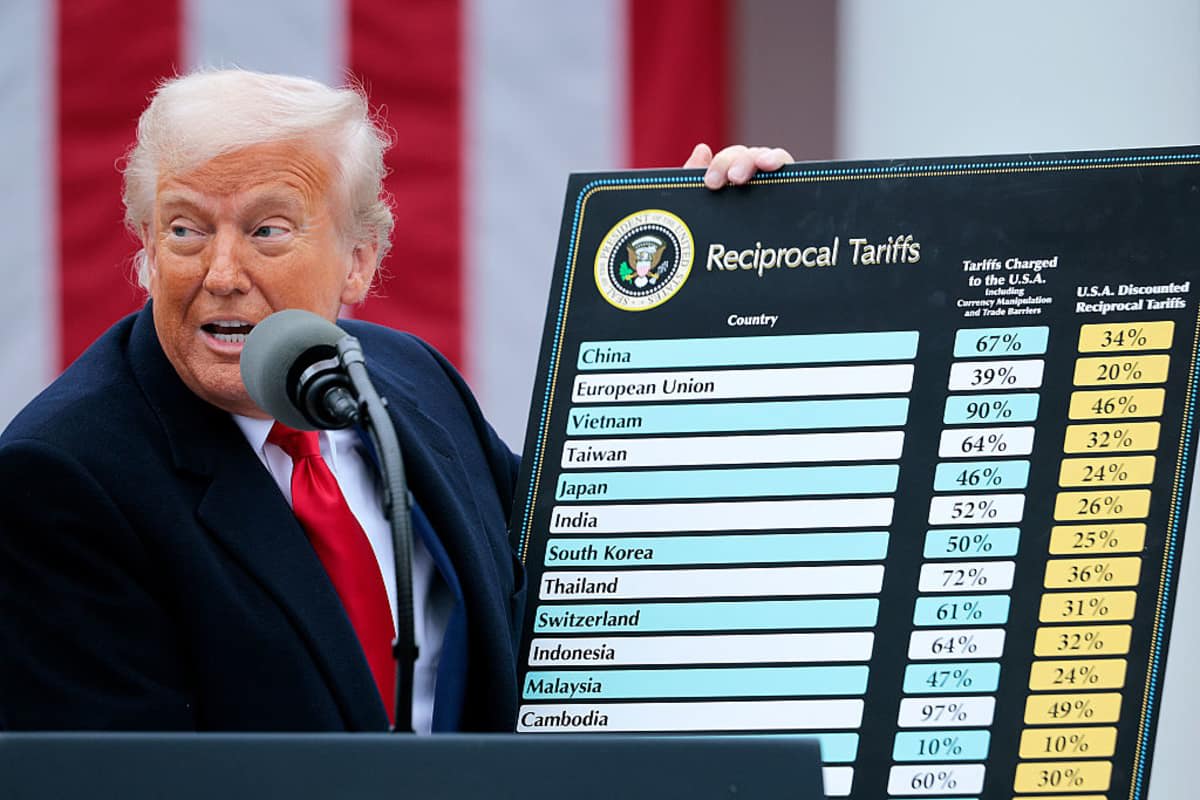
Georgieva has pushed back against the move, calling the tariffs a “headwind to even stronger growth” that reduces productivity. According to the IMF chief, the U.S. economy could have "seen more good news" without the negative effects of the tariffs. She noted that currently the U.S. is in “a position to fund its spending,” which is good news for the world, but she cautioned the administration to "please be careful. Look at the deficit and debt levels. Bring them down.” The IMF expressed support for the Treasury Secretary's goal of lowering the deficit to 3% of GDP, but for the U.S. to maintain its prosperity without digging a deeper fiscal hole isn't easy.
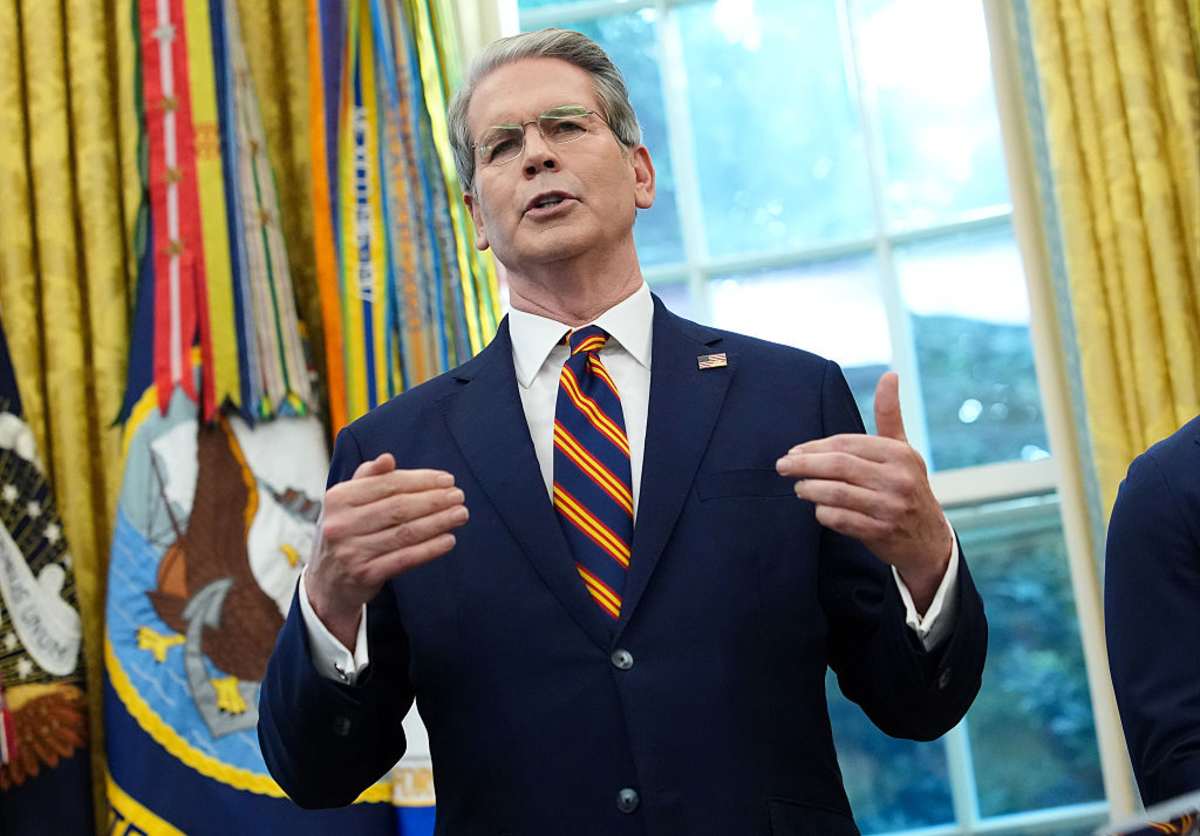
The IMF estimated the deficit to be 5.9% of GDP last year and argued that lowering it would require significant spending cuts and a boost in government revenues. In the Article IV, the agency recommended that the administration replace the tariffs with a "destination-based consumption tax" and implement a "skills-based immigration system" to keep the labor market competitive, both of which seemingly go against Trump's agenda.
More on Market Realist:
Trump takes credit for making groceries affordable for Americans — but there's a problem
Trump is probably right about the US economy — but he's not seeing the big picture
Capital Economics warns that the stock market bubble could burst sooner than we think