
If you’re an expecting mom, one American state is willing to pay you a $1500 check
Illinois is looking to setup Newborn Equity Support Transfer program to help mothers with childcare
March 10 2026, Published 9:45 a.m. ET

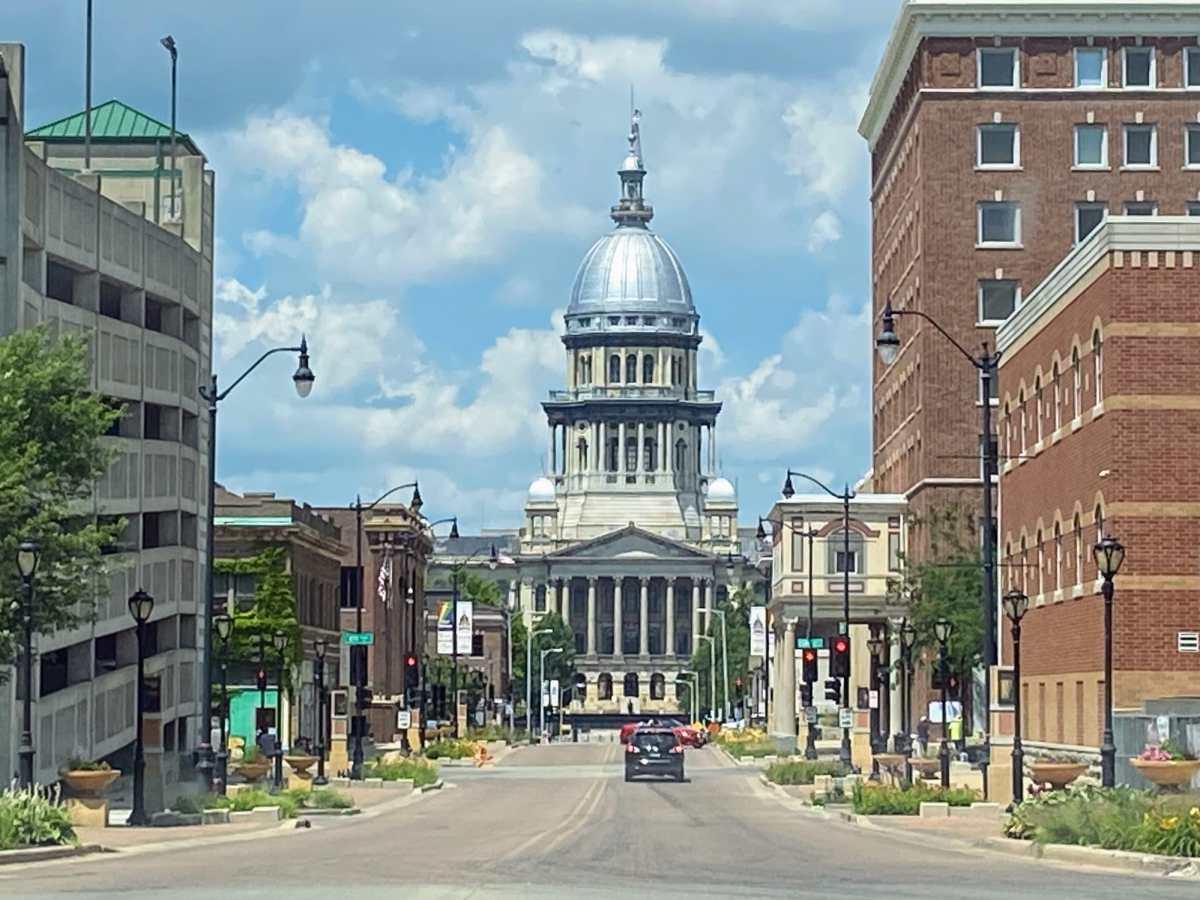
A new bill in Illinois is looking to create a framework that will provide expecting mothers in Illinois with $1,500 in cash payments to support them through pregnancy and childbirth. The new proposal, House Bill 5238, is moving through the state Legislature, and if passed, it would establish the Illinois Newborn Equity Support Transfer (NEST) Program, which would provide direct cash assistance to people who give birth in the city and are enrolled in or eligible for Medicaid through Michigan's Moms and Babies program, Newsweek reported.
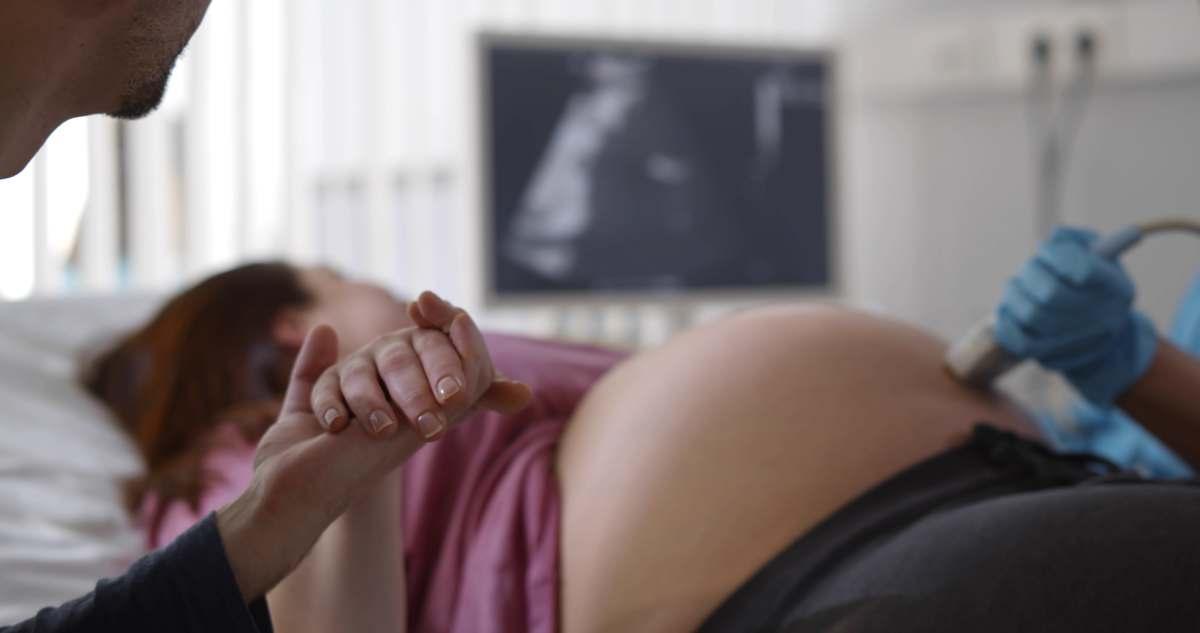
Under the proposed bill, eligible individuals would get a $1,500 lump-sum payment during their third trimester of pregnancy, which would be followed by a monthly payment of $500 for six months after delivery. Supporters of the NEST program claim the funds will help parents with expenses related to pregnancy, newborn care, diapers, and more. The cash payments would be considered "guaranteed income" during their evaluation for other public assistance programs in Illinois. The bill was introduced by Democratic state Representative Kelly Cassidy of Chicago and has been referred to the House Rules Committee. If passed, it directs the establishment of the NEST program by July 1, with payments starting as soon as it is implemented. The program would mark one of the most targeted efforts of the state, focused specifically on pregnancy and early infancy. However, budgetary concerns could prevent the bill from becoming law.
A University of Michigan-led study looked at similar programs from more than 140 countries and concluded that government-funded child cash transfer programs improve child health outcomes. Luke Shaefer, faculty director of U-M's Poverty Solutions and professor of social work and public policy, wrote in a release that such a program could be a way for countries to invest in the future health of their population. Shaefer highlighted that UNICEF calls unconditional child benefits the “foundational policy” for child social development. Separately, the Midwestern state has previously tested similar ideas through local pilot programs, which provided monthly payments to low-income households, according to Newsweek.
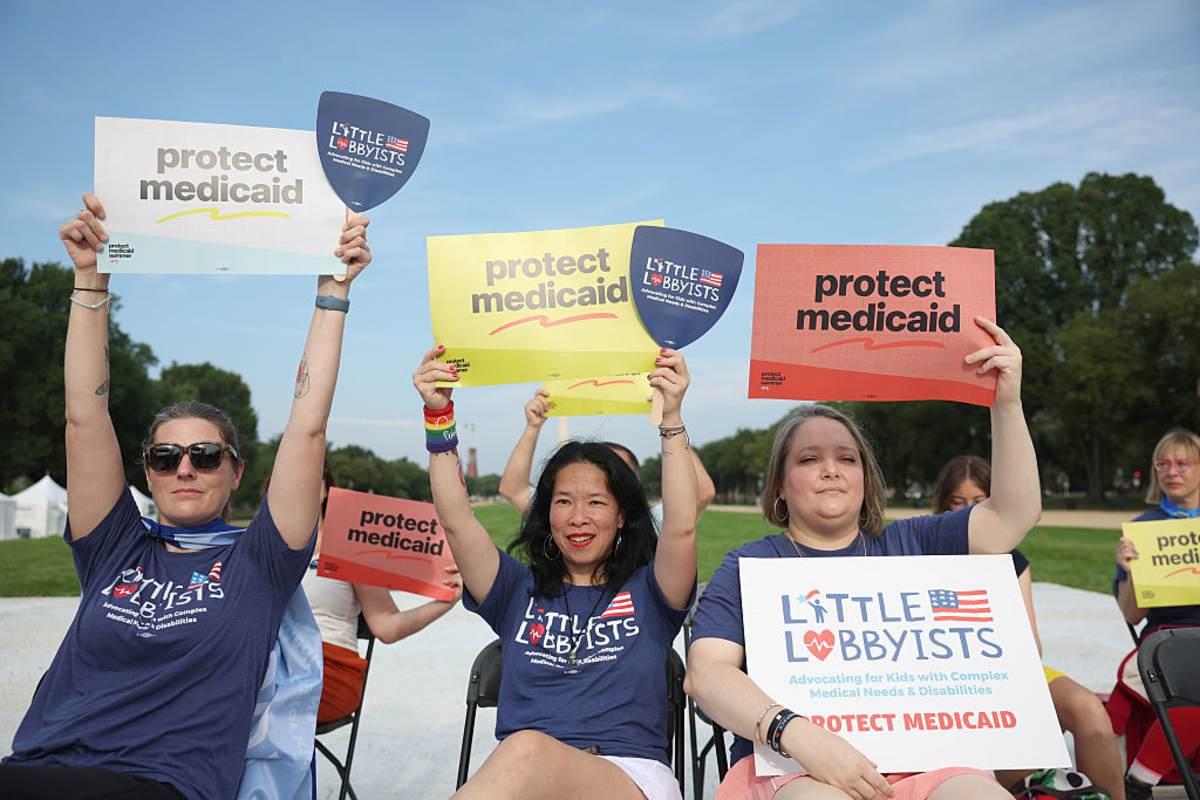
“Many states have flirted with guaranteed payment programs in the past, and the results have been mixed at best. Now add a baby to the mix, and things get even more complicated, especially if someone is already receiving Medicaid or other benefits,” Kevin Thompson, the CEO of 9i Capital Group, told the publication. He explained that states may end up incentivizing people to remain in such programs for longer, and the incentive may not always align with the intent of the policy. He added that the program could ultimately boil down to a short-term fix for a long-term issue, and once the money runs out, families could still struggle to raise their child. "Could it pass? Perhaps. But with many states already dealing with funding pressures, especially as federal support for welfare programs tightens, I think this will be a tough ask to gain support," he added.
More on Market Realist: