New Fed report on Trump’s tariffs confirms what most economists warned about

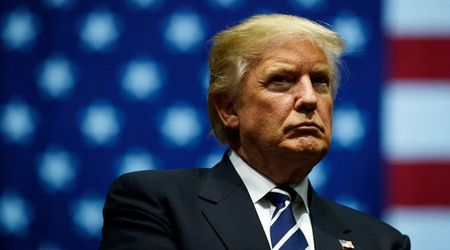
President Donald Trump's tariffs were proposed as a way to collect high revenue on imports into the U.S. from exporters abroad. It was even suggested that the money collected through them could be distributed to Americans as a $2,000 payout. But as of now, the tariffs are significantly impacting American consumers, who are burdened by rising prices amid lower pay. Earlier, a German think tank's analysis revealed that American consumers pay 96 cents for every dollar collected in tariffs. While Trump claims that inflation has been defeated and the economy is booming, rising prices of essentials tell another story. This has been proved by a recent research by the Federal Reserve Bank of New York. "Nearly 90% of the economic burden is borne by American businesses and consumers, with the average U.S. tariff on imports rising to 13% in 2025 from less than 3%," the study noted.

The published report indicated that the average tariff rate began the year at 2.6%, surged by 125% points in April and May as a result of higher taxes on Chinese goods, and then decreased by 115% points in mid-May, ending the year at 13%. According to the analysis, tariffs placed during the first Trump administration caused a 100% pass-through into import prices, which prevented international exporters from lowering their prices. Around 94% of the burden of these tariffs fell on Americans between January and August, 92% in September and October, and 86% in November.
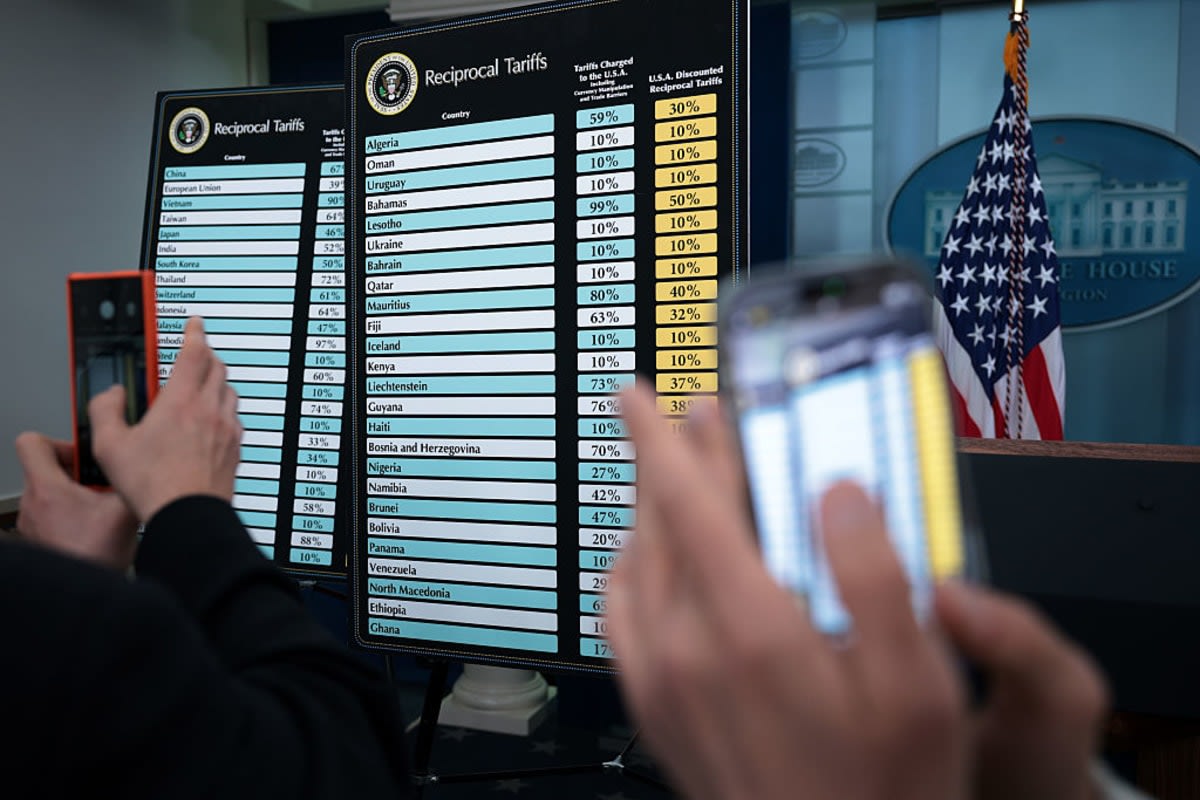
It stated that, “higher tariffs directly increase the cost of imported goods, raising prices for U.S. consumers and businesses.” When it comes to who will pay the tariffs, the CBO said foreign exporters will absorb 5% of the cost, and in the near term, “U.S. businesses will absorb 30% of the import price increases by reducing their profit margins; the remaining 70% will be passed through to consumers by raising prices.” According to Trump's Wall Street Journal op-ed, foreign companies suffer the majority of the tariff costs. He asserted that in order to prevent larger losses, tariffs are mostly borne by foreign manufacturers and companies.
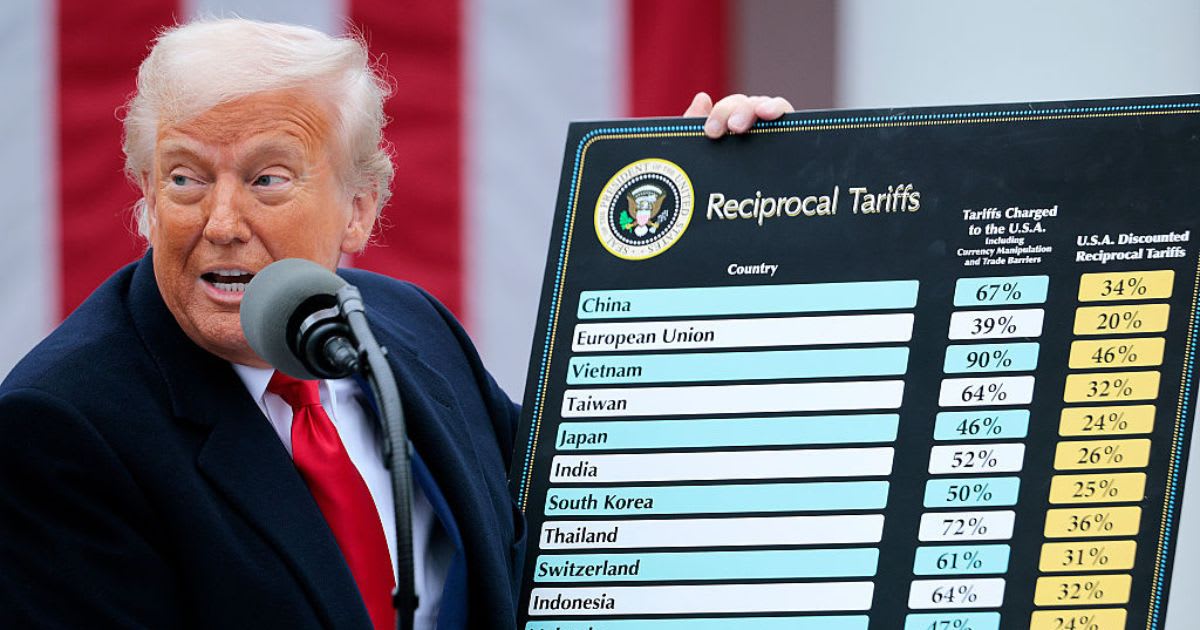
The New York Fed's results, however, contradict this, showing that from January to August, U.S. importers absorbed 94% of tariff costs. By November, this proportion remained at 86%, despite exporters bearing a greater portion of the burden, CBS News reported. “In sum, U.S. firms and consumers continue to bear the bulk of the economic burden of the high tariffs imposed in 2025,” the study revealed. Over the past year, companies have been adjusting to Trump's changing tariff policy. Many smaller-scale businesses quietly shut their doors or filed for bankruptcy. By negotiating supplier discounts and moving production to nations with lower tariffs, larger businesses have been able to minimize price increases for consumers while adjusting to higher import charges, The New York Times reported.
Large import tariffs imposed by the Trump administration are intended to increase government revenue, penalize alleged economic exploitation by other countries, and support the home industry. But this tactic has led to unpredictable market movements, increased volatility, and economic ambiguity.
More on Market Realist:
Trump's tariffs quietly forced 700 American companies to file for bankruptcy in 2025
Top economist warns US could be entering a 'jobs recession' — thanks to Trump's tariffs
Trump’s tariffs come under fire as state leaders claim they're headed toward an economic crisis