McKinsey has 60,000 workers but here’s the twist — 25,000 of them aren’t even human

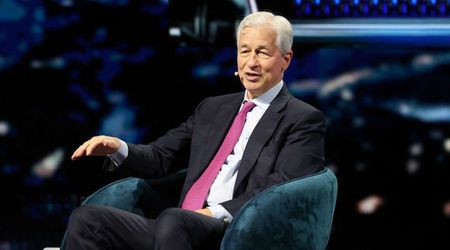
AI assistants are transforming the workforce by automating tedious chores, increasing productivity, and freeing up humans to concentrate on critical jobs. They boost productivity in a variety of sectors, including manufacturing and healthcare, and have an impact on HR procedures, like hiring and training. They can also handle data, create reports, and arrange inboxes as digital teammates, promoting better decision-making and highlighting the value of human skills like empathy and critical thinking. On this note, McKinsey CEO Bob Sternfels revealed that the firm has integrated the revolutionary AI technology by strategically adding 25,000 AI agents into its workforce.

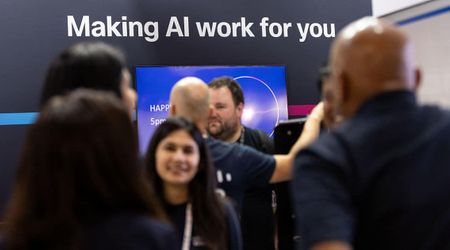
Appearing in a recent Harvard Business Review IdeaCast, Stenfels stated that the company is using artificial intelligence to reinvent itself. He added that 20,000 AI agents and 40,000 human workers make up the company's 60,000-person workforce, highlighting the goal of having AI agents collaborate with human staff members. Later, Business Insider reported that during the Consumer Electronics Show in Las Vegas, the CEO clarified that the number of AI agents was closer to 25,000, which was confirmed by a McKinsey spokesperson
The Business Insider report also mentioned that the company used to have only a few thousand agents, but Sternfels asserted that within the next 18 months, every employee will have one or more agents supporting them. AI agents are self-sufficient virtual helpers that can solve problems and carry out tasks without human guidance. This quick adoption at McKinsey reflects a broader trend in the business to integrate generative AI into the regular work of consultants.

Businesses like PwC and Boston Consulting Group are shifting from typical advising positions to long-term AI-driven transformation projects. With 1,700 workers, McKinsey's QuantumBlack currently accounts for 40% of the company's work. Alex Singla, a senior partner, stresses the value of selecting applicants who can move between technology and consulting positions with ease. This change is indicative of a larger change in McKinsey's business strategy, which is shifting from traditional fee-for-service methods to one that emphasizes working together with customers to generate business cases that result in shared outcomes.

Last month, Firstpost reported that in response to economic challenges, consultancy firm McKinsey is planning significant job cuts, potentially affecting up to 10% of its workforce over the next two years. This move aligns with broader industry trends where firms like Deloitte, EY, KPMG, and PWC have also reduced staff due to the integration of artificial intelligence (AI), enhancing efficiency and lowering costs. McKinsey, which has seen its workforce decrease from 45,000 to around 40,000 after prior layoffs, cites multiple factors for job reductions, including overhiring post-pandemic and economic uncertainties. The future implications focus on the growing insecurity of white-collar jobs amid AI advancements.

The McKinsey website supports this change by stating that AI assistants are reshaping the workforce through a human-AI partnership model. The model focuses on task automation and enhancement of human abilities instead of mass job replacement, leading to higher productivity and restructured workflows.
More on Market Realist
ChatGPT Turned OpenAI Into a $29 Billion Net Worth Company; Here's Who Led the AI Revolution
Walmart shoppers can now avoid AI chatbots and get human assistance with a simple method
Walmart CEO issues warning for millions of workers that AI will 'change literally every job'