
AI may hurt US jobs more than expected, McKinsey finds — but there’s a surprising upside
The report paints a picture of how the future of work may look like.
Nov. 27 2025, Published 9:48 a.m. ET

Amid increasing fears over artificial intelligence taking over jobs in the modern economy, a new report from McKinsey Global Institute has shed light on how automation can affect the job market. Its latest research estimates that about 57% of the U.S. work hours could already be automated, and AI could fully take over more than 40% of the U.S. jobs. However, the report noted that AI will not necessarily eliminate jobs, but the future of work will be more of a collaboration between humans and AI agents.
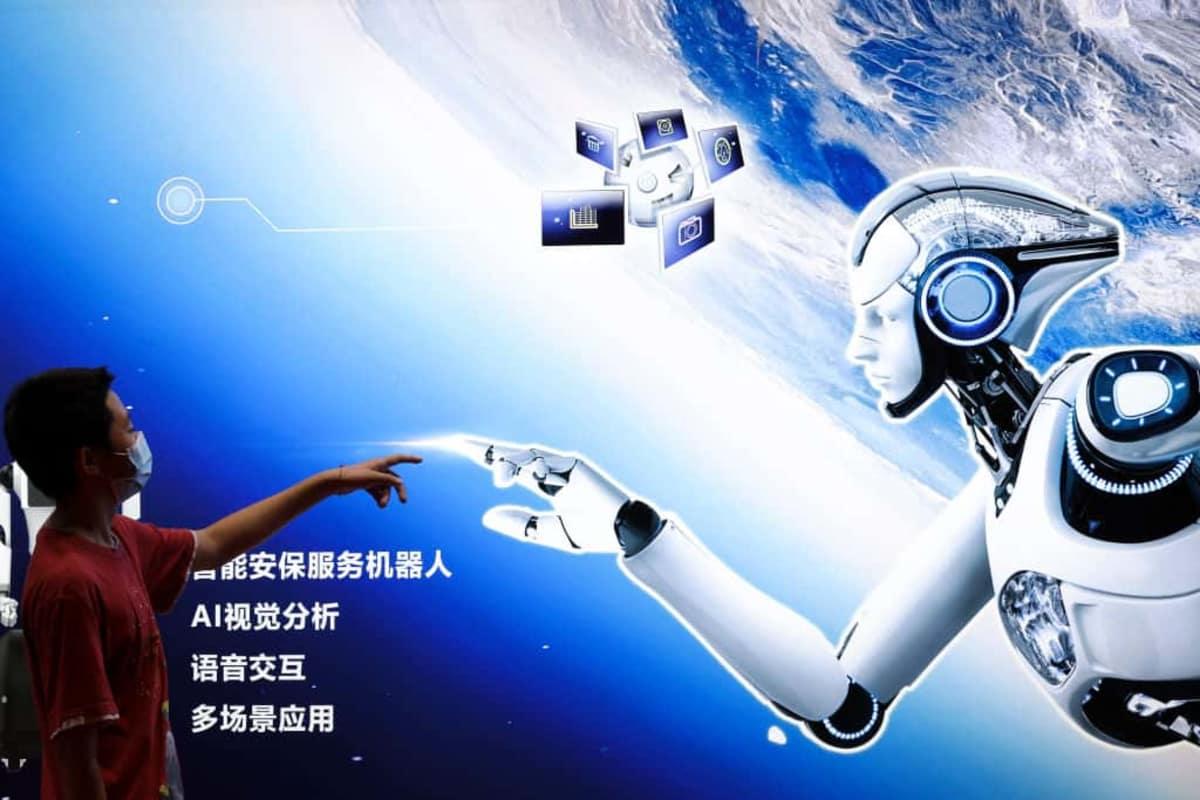
In its report titled "Agents, robots, and us: Skill partnerships in the age of AI," McKinsey distinguished jobs into physical and non-physical work. The report noted that nonphysical work accounts for about two-thirds of the U.S. work hours, and while some of this work requires social and emotional skills that are beyond the reach of automation, the rest can be done by AI agents.
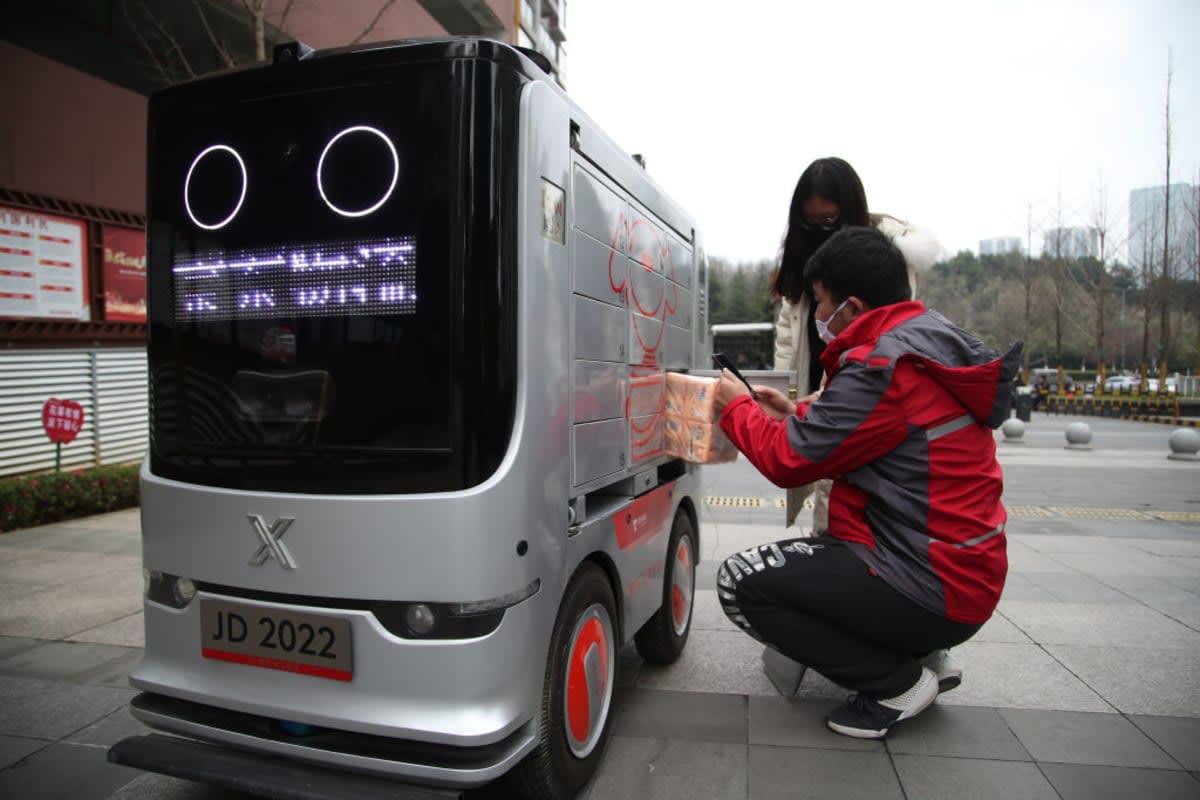
Research suggests that the activities that can be automated represent about 40% of the U.S. wages and span across fields from education, healthcare, to business, and legal. These jobs currently offer an average pay of $70,000, and they involve tasks such as drafting documents that could be handled by AI systems. Furthermore, in manufacturing, tasks that take up 53% of the work hours, like directing automated manufacturing or logistics operations, can be fully handled by agentic AI. The report suggests that automation can be furthered with the development of technologies that can match a range of human capabilities, including interpreting intention and emotion. However, that does not mean over half of the U.S. jobs would disappear over time, according to the report.
Researchers noted that most human skills will endure and be applied differently in the future. Since 70% of the skills sought by employers are used in both automatable and non-automatable work, the human skills will remain relevant, but they will need to evolve. The report added that the AI era is not about replacing the human workforce but rather shifting the focus of human intelligence from execution to planning and judgment. Citing the example of the calculator, the researchers argued that the invention did not replace mathematicians but freed them from applying themselves to solving higher-level problems. “Integrating AI will not be a simple technology rollout but a reimagining of work itself. Redesigning processes, roles, skills, culture, and metrics so people, agents, and robots create more value together," the report argued.
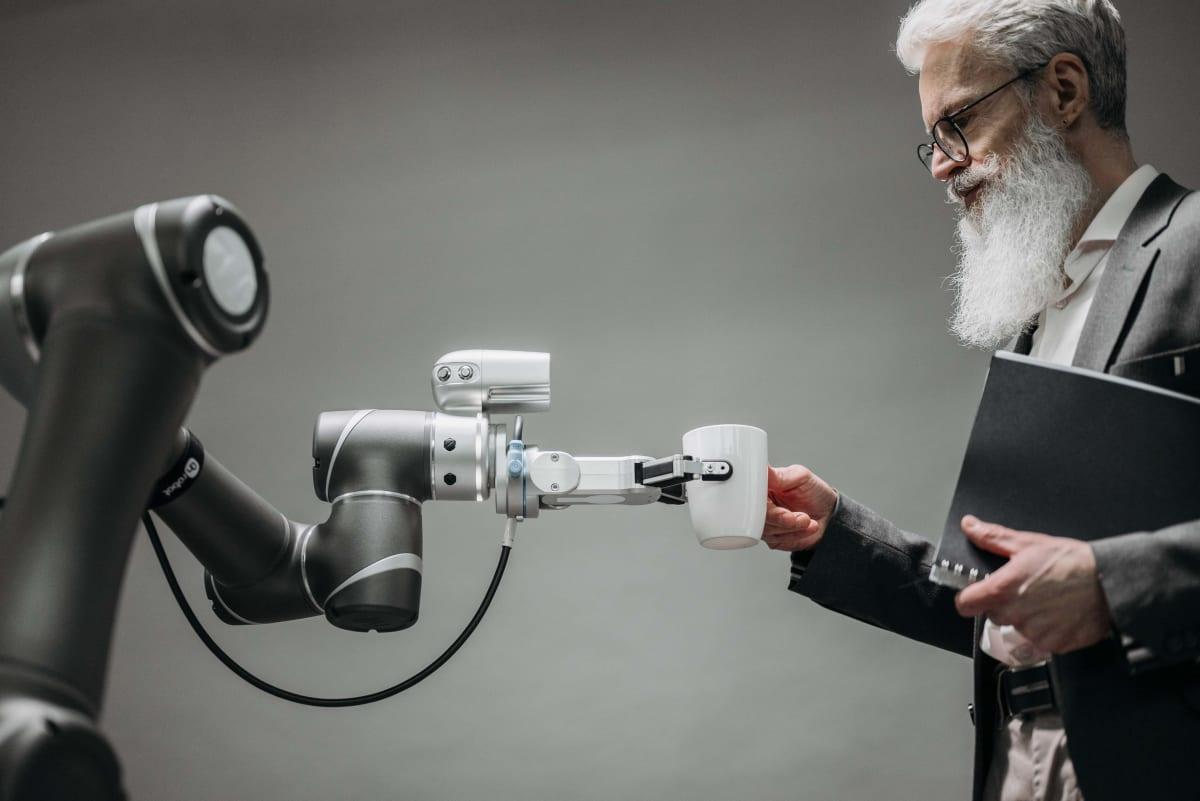
However, the report added that even though the demand for labor in the U.S. has remained steady throughout waves of automation, the impact of AI may be different. "The outcome will depend on whether new demand, industries, and roles emerge to absorb displaced workers," a question that was out of the scope of the research.
More on Market Realist: