
Trump proudly talks about 'extraordinarily high economic growth' — but there's one problem
At the World Economic Forum, Trump made claims about the economy that the numbers fail to support.
Jan. 22 2026, Published 4:43 a.m. ET

A year into his second term, President Donald Trump took to the world stage to declare, "The USA is the economic engine on the planet", NBC News reported. At the World Economic Forum on Wednesday, Trump touted that the country was seeing “virtually no inflation and extraordinarily high economic growth," but in reality, the numbers paint a mixed picture with some wins and woes for the consumers and businesses that came about in the last year. Here's a rundown of how things changed in 2025.
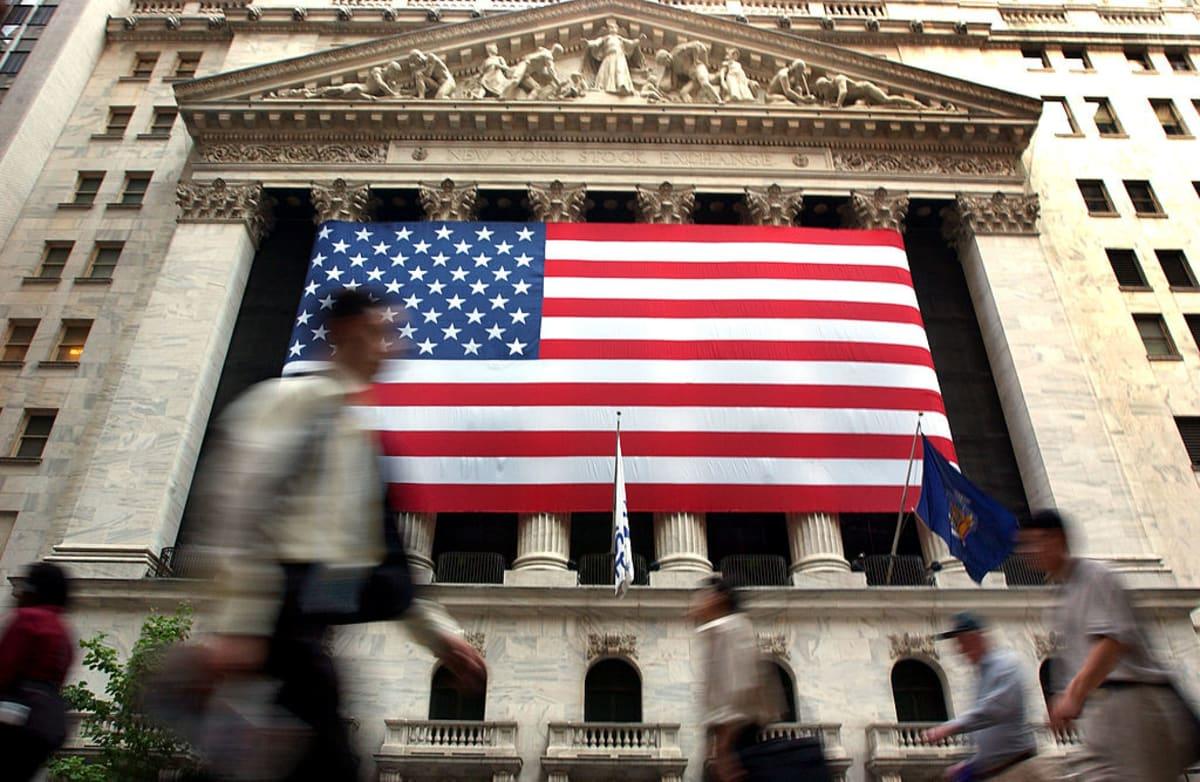
Trump's second term kicked off with a flurry of tariffs on some of the country's closest trade partners. This hit the retail sector the hardest, with businesses struggling to keep up with the pace of change in rates. According to Business Insider, the disproportionately affected Main Street and entrepreneurs who make physical products, as well as several big names, like Costco, Revlon, and more, sued the administration over the president's use of the International Emergency Economic Powers Act to impose the tariffs. Meanwhile, companies including Abercrombie & Fitch, Walmart, Nike, Best Buy, Nikon, Canon, and Leica said they will raise prices, as per the publication.
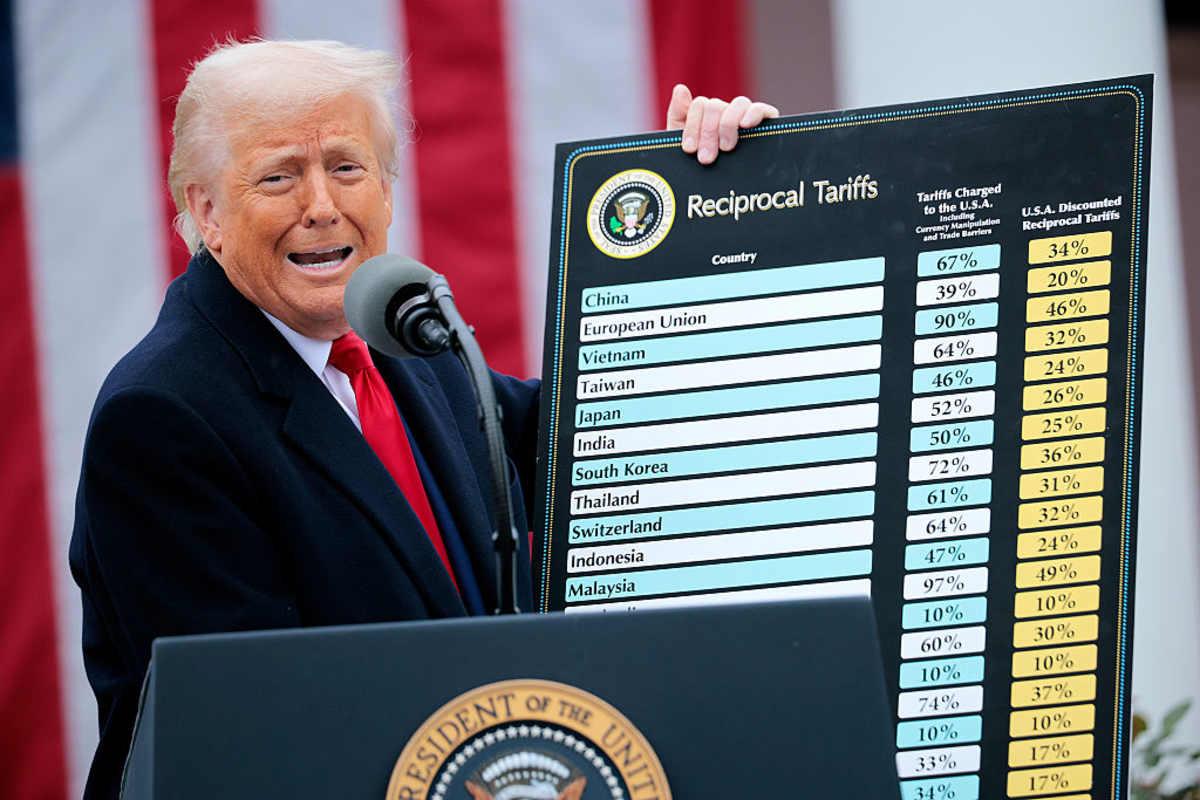
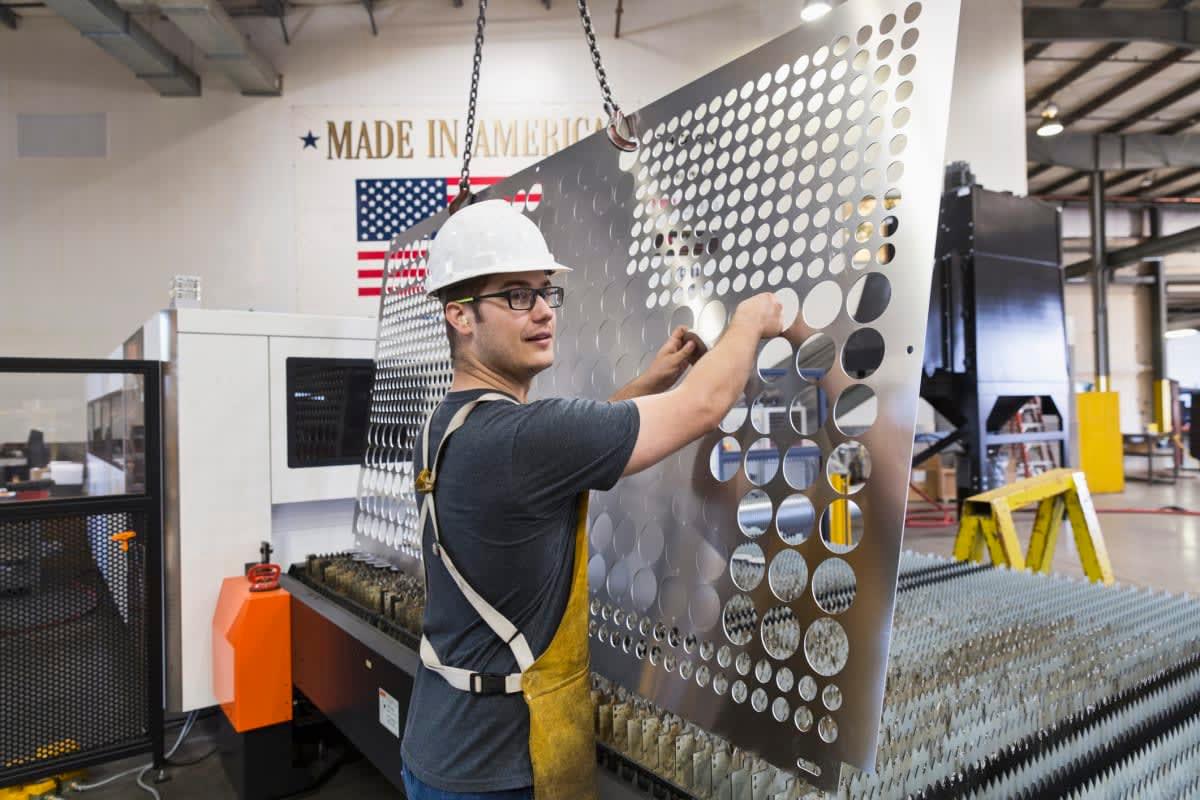
The job market also took a major hit in the past year due to the Department of Government Efficiency cutting the federal workforce, the administration's campaign of mass deportations, the rise of Artificial Intelligence, and companies looking to operate lean and efficiently. A total of just 584,000 jobs were added in 2025, which is significantly lower than 2024, when over 2 million jobs were added. Furthermore, barring a recession, the year marked the slowest 12 months for U.S. job creation since 2003, NBC News reported. While Trump promised to bring blue-collar jobs back, the manufacturing sector saw a decline in employment by 72,000 jobs since Trump announced his "reciprocal tariffs" on "Liberation Day". This fell in line with Wells Fargo's May 2025 prediction that said duties will not be effective in restoring manufacturing jobs and the administration will face an "uphill battle", Business Insider reported. Now, the U.S. is frozen in a low-hire, low-fire environment, where businesses aren't hiring in the uncertain environment.
Both consumer spending and sentiment took a hit due to the president's handling, with reports showing concerning numbers. According to the University of Michigan’s final reading of consumer sentiment for December, the index fell to 52.9, marking 28.5% decline from last year's reading, which stood at 74. On the other hand, with the K-shaped economy solidifying, consumer spending was driven by the upper echelons of the country while many lower- and middle-income households pulled back to absorb higher costs of living. As per NBC, overall prices rose 2.7% in December compared to the same month in 2024. Furthermore, the Bureau of Labor Statistics shows urban electricity prices rose by an average of 6.7%. While grocery prices rose by a moderate 1.9%, according to NBC News’ grocery price tracker data, some staples took a bigger bite out of consumers' paychecks. As of last week, orange juice was up 37.6%, while the cost of ground beef rose 16.4% over the last year, due to several factors including weather, disease, and increased labor costs.
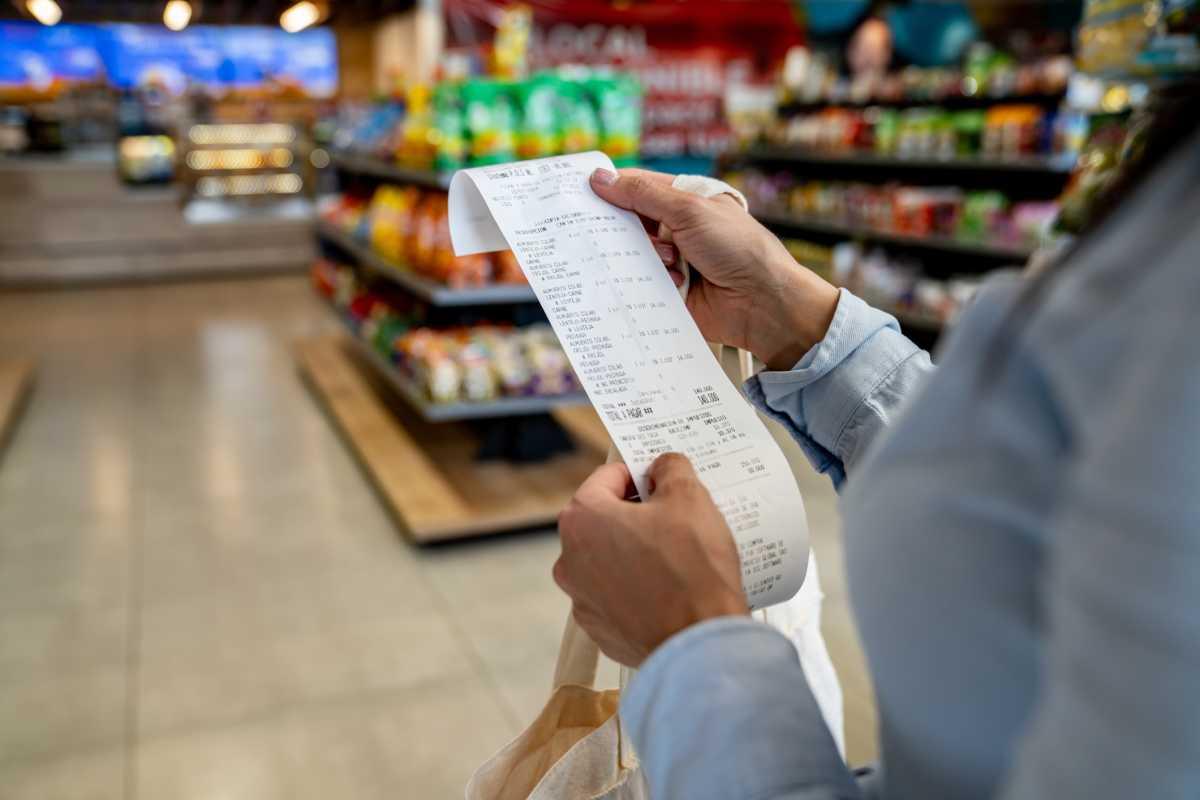
However, in some areas, prices dropped as well. For instance, the average price of eggs declined by more than 20% over the last year, and Gas prices plunged 11.5% on average since Trump took office, according to GasBuddy. The industry tracker had predicted the average price to hover around $2.97 per gallon this year, which is about 13 cents less than the average price last year.
More on Market Realist: