
Nobel Prize–winning economist warns Trump's economy is only 'going to get worse'
Economist Joseph Stiglitz claimed no policy was helping boost blue-collar jobs amid automation.
Feb. 21 2026, Published 8:37 a.m. ET

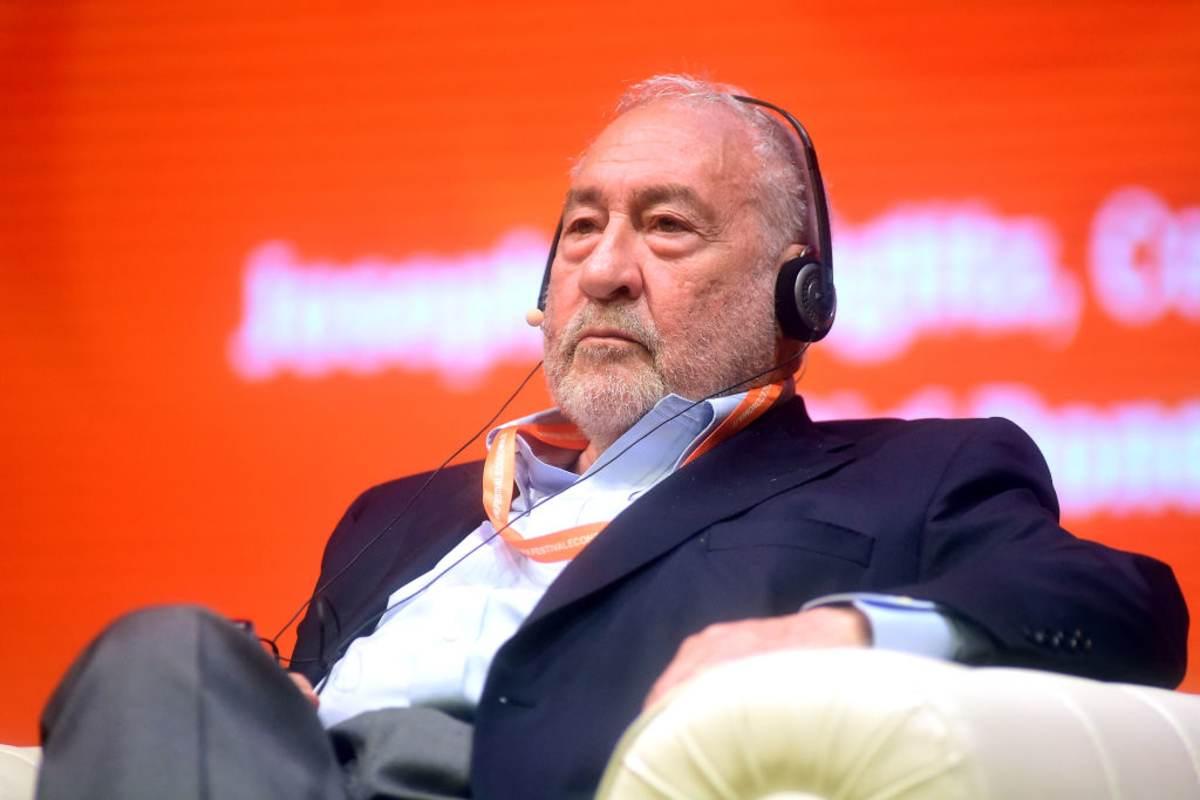
Nobel Prize–winning economist Joseph Stiglitz has issued a warning for the U.S. economy over the loss of blue-collar jobs, amid rapid integration of automation and artificial intelligence. He even expressed that the economy was “Not great right now,” on CNBC’s Squawk Pod on Thursday, adding that the prospects are only 'going to get worse' in the near future. While President Donald Trump's administration has made it a mission to bring back manufacturing jobs, according to Stiglitz, his policies aren't working, and it is evident in the numbers.
A month after announcing the sweeping tariffs, President Trump's office claimed that manufacturing jobs had come "roaring back" with 9,000 new auto jobs added to the sector. The president claimed that his aggressive tariff strategy would be the prime factor for reshoring manufacturing jobs by curbing imports of foreign products. However, a year later, the numbers show his strategy wasn't working. “Do you know what happened to jobs in manufacturing in the last year? They’re down. [Trump] didn’t succeed over the last year in bringing back manufacturing jobs," Stiglitz said in the podcast. His claims are in line, as according to the latest job data, blue-collar industries, including manufacturing, construction, logging and mining, transportation and warehousing, and utilities, lost a cumulative of nearly 166,000 jobs between February 2025 and January 2026.
While the U.S. economy added 130,000 jobs in January, Stiglitz noted that they were concentrated in healthcare and had nothing to do with the tariffs or the administration's policies. “And you look at, where is the increase in jobs in the United States—health care. Does that have anything to do with the tariffs? No," Stiglitz said, adding that the increase was due to more people growing older and dependent, and not because of larger macroeconomic trends.
Like Stiglitz, some business leaders have also issued similar warnings for blue-collar workers. More recently, Ford sounded the alarm on shortages in blue-collar labor, with CEO Jim Farley claiming that a dearth of blue-collar workers will be bad news for both manufacturing and the wider tech industry, as it will slow down the construction of data centers, Fortune reported.
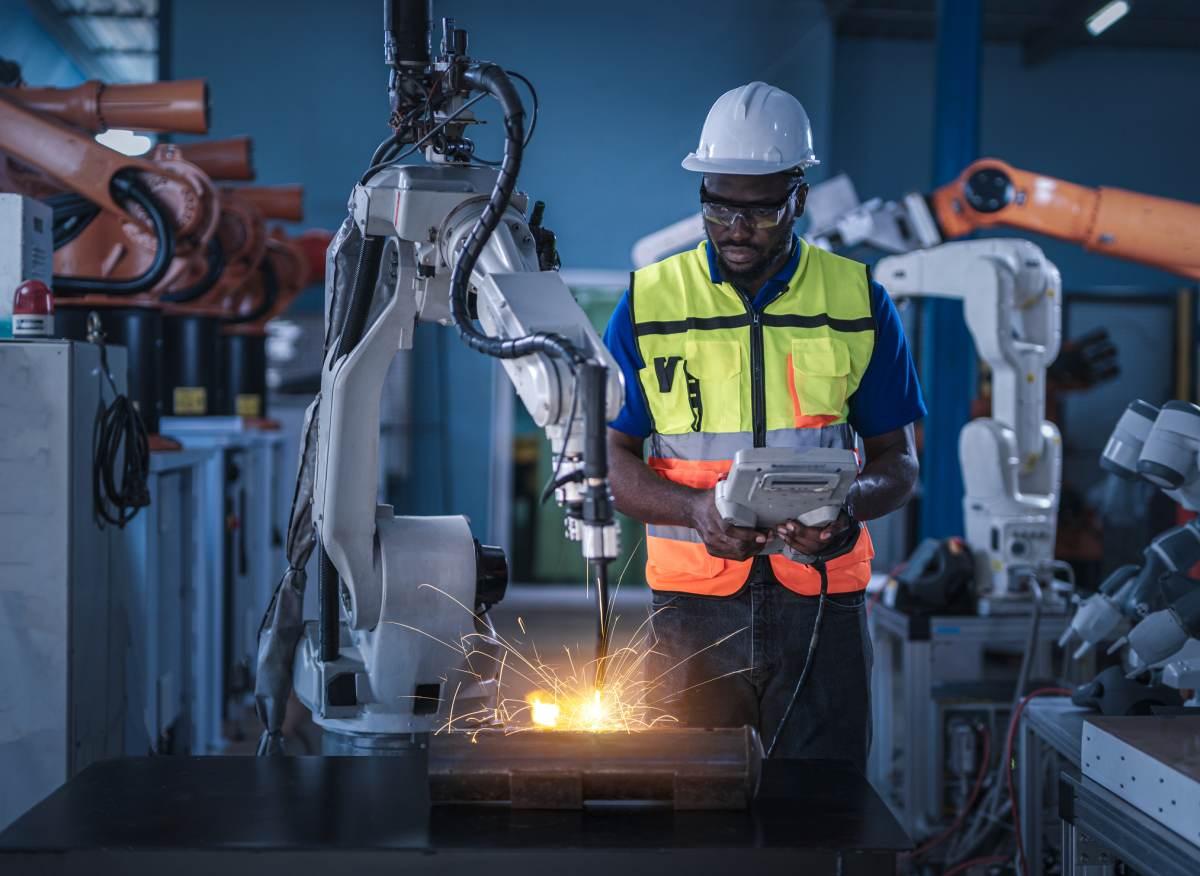
According to an article by CBS News, a separate report from Oxford Economics warned that blue-collar jobs are highly “vulnerable” to automation amid growing concerns over advances in robotics and artificial intelligence. The report titled “Robotics and Productivity—the Incremental Revolution,” estimated that about 20% of the total jobs in the U.S. were at risk, but certain sectors were more vulnerable. It also estimated that about 60% of jobs in transportation & logistics alone are considered "high vulnerability" to at least partial robotic replacement. Other sectors at risk include manufacturing, accommodation & catering, retail, wholesale, and trade & extraction.
Furthermore, the administration's tariff strategy seems to be unravelling, as the Supreme Court on Friday ruled that the tariffs can't be imposed under the International Emergency Economic Powers Act (IEEPA), and the decision has potentially set the government up for an estimated $175 billion refund to the companies that were hit by the taxes, Reuters reported. The decision has also put a question mark on the President's future tariff policies.
More on Market Realist: