Goldman Sachs says 'don't expect' companies to lower prices in response to tariff reductions

The Supreme Court on Friday struck down President Donald Trump's sweeping emergency tariffs, potentially creating the opportunity for U.S. companies to receive approximately $180 million in refunds. But consumers aren't likely to get any relief, and they shouldn't expect prices to come down, according to Goldman Sachs. In a client note on Sunday, the bank's economist shared that the tariffs added 0.7% to inflation over the past 10 months, and the new levies that Trump swiftly imposed after the ruling will add another 0.1% in 2026, Business Insider reported. Thus, amid the chaos and uncertainty, prices aren't likely to fall anytime soon for consumers.
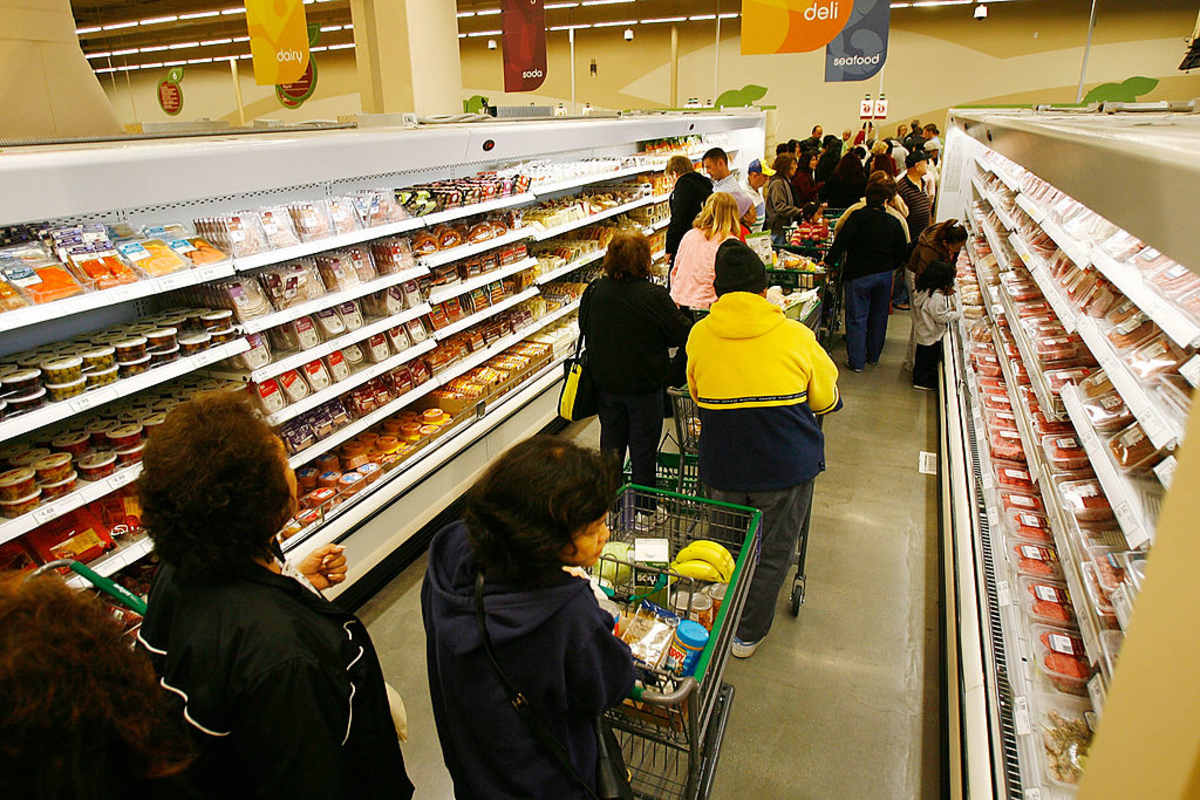
In a landmark 6-3 decision, the court ruled that President Trump did not have the legal authority to implement his sweeping tariffs using the International Emergency Economic Powers Act. Goldman Sachs noted that the ruling may slow down the pace of future price hikes on goods that are subject to tariffs, but they are unlikely to bring down prices. "We would not expect companies to lower prices in response to tariff reductions nearly as quickly as they increased them in response to tariff increases," the economists wrote, as per the publication.
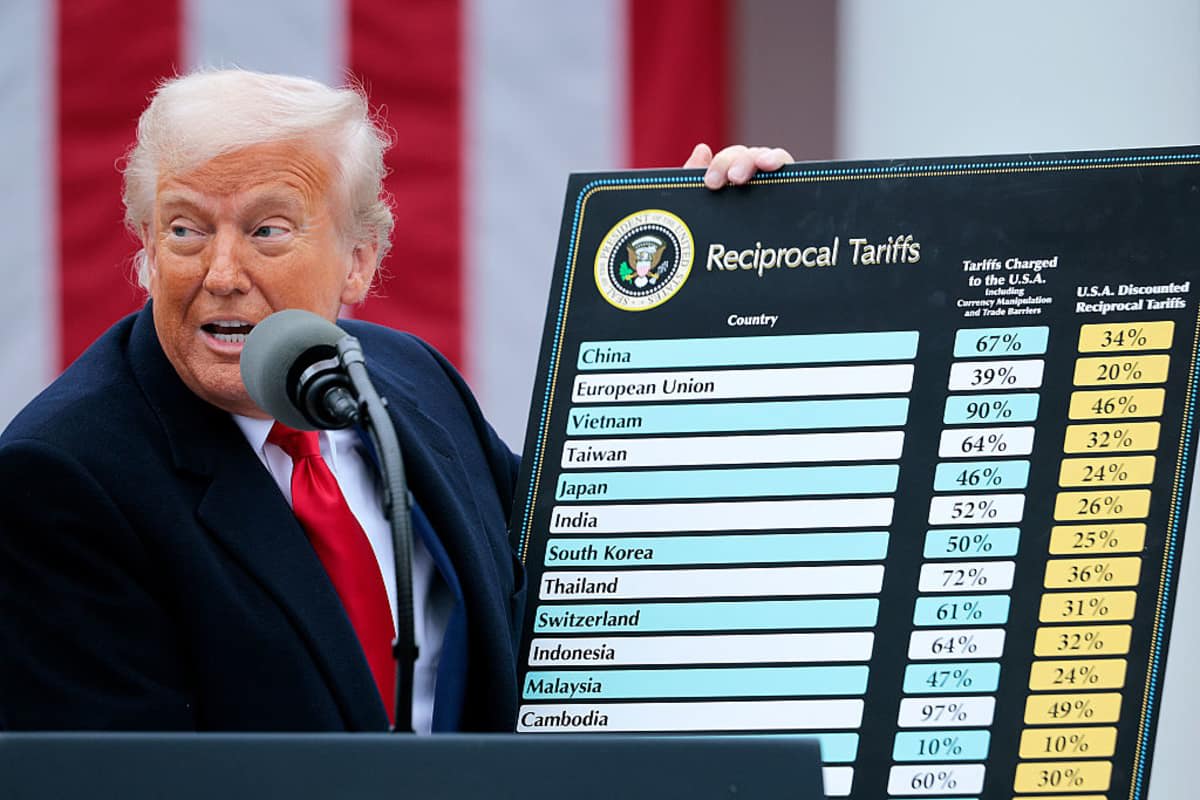
As per the bank's estimates, companies had already passed the tariff costs to consumers, which lifted core Personal Consumption Expenditures, the Federal Reserve's preferred inflation gauge, by about 0.7%, and an increase of 0.1% was expected through 2026. Furthermore, after the ruling, the Trump administration swiftly announced a 15% tariff using Section 122 of the law. The bank estimated that the shift would bring relief to some trading partners, but the effective tariff rate will come down by only a little, from 10 percentage points in 2025 to 9 percentage points this year, leaving the inflation outlook almost unchanged. “The policy changes were in line with our expectations,” Goldman Sachs economists said.
While the ruling also created an opportunity for U.S. companies to get about $175 billion, which they paid in import taxes, it did not outline a repayment process. Legal experts indicated that it would take months for companies to find out if they are eligible for the refunds, as the issue needs to be worked out by the U.S. Customs and Border Protection, the Court of International Trade in New York, and other lower courts. In the meantime, the Trump administration could challenge the trade court's orders to pay the refunds, and the legal battle could take years to settle. Even if the importers get the refunds, experts believe it will be highly unlikely for them to pass them on to the consumers. “Any rebates will be paid to U.S. importers (as they are the ones who made payments to the U.S. Treasury). With new tariffs coming in, it seems unlikely anyone will rush to lower prices to their customers," UBS chief economist Paul Donovan wrote in a note published on Monday, CNBC reported.

Coming to economic growth, the note from Goldman Sachs added that the tariff reductions on imports from key partners like China will rebound in the coming months, but they are unlikely to provide a boost. The economists noted that the imports will be offset by companies restocking their shelves after months of front-loading and trade reshuffling. Thus, the bank estimated the U.S. GDP growth to be at 3.4% in the first quarter, forecasting an overall growth of a modest 2.5% in 2026.
More on Market Realist:
Japan to pour $36 billion into 3 US states in exchange for relief from Trump's tariffs
Trump’s decision to impose tariffs has sparked a manufacturing boom in the US: Expert
Nobel Prize–winning economist warns Trump's economy is only 'going to get worse'