CFRB warns removal of Trump's signature tariffs may raise national debt to $58 trillion

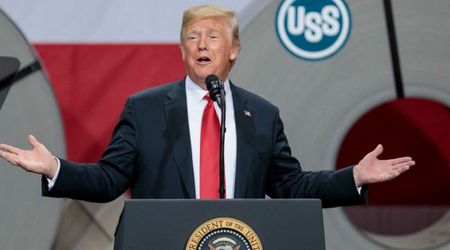
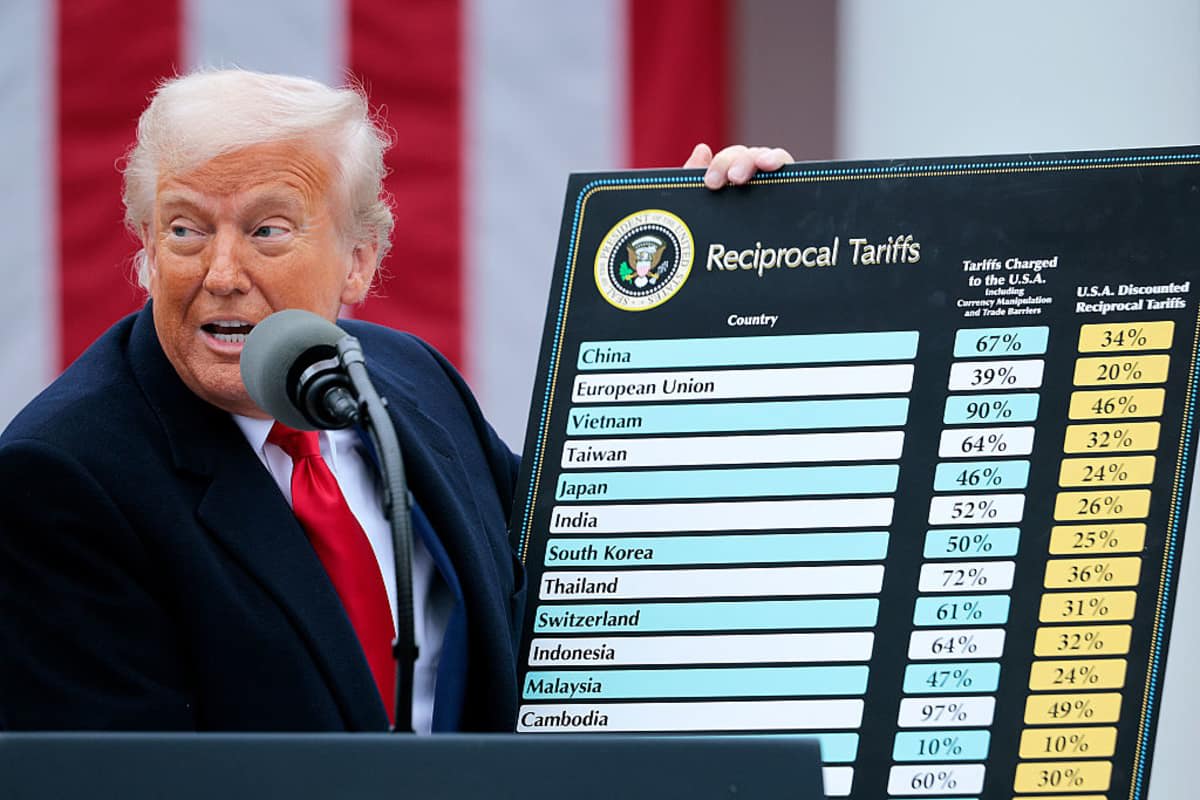
In a landmark decision last month, the U.S. Supreme Court struck down President Donald Trump's sweeping tariffs, ruling that he overstepped his authority in imposing them. While the decision left the administration's trade policy in limbo, it created a hole in the nation's budget as it cost the federal government an estimated $1.7 trillion in revenue. To compensate, Trump swiftly announced a 10% standard tariff which was later raised to 15% using different legislation, but according to new estimates from the Committee for a Responsible Federal Budget (CRFB), the new rates won't be enough to fill the gap and the U.S. is seemingly on a course to raise the national debt to $58 trillion in the next decade, to fund its current rate of spending.
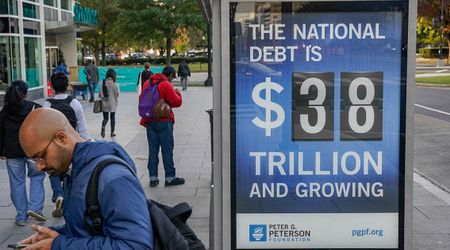
In a report released on Tuesday, the CFRB projected that the national debt will climb to 125% of the GDP, or roughly $58 trillion, by 2036, as the government will need to borrow more money to cover the deficits. Earlier, the nonpartisan fiscal watchdog estimated the debt to grow to $56 trillion, assuming Trump's emergency tariffs would continue to bring in revenue. While the Trump administration swiftly imposed the 10% and later the 15% tariffs, the CRFB estimates that even that would lead to lost revenue, even if Congress made the levies imposed under Section 122 of the Trade Act permanent, instead of the current 150-day limit.
According to CFRB's estimates, if the 15% tariffs continue for the stipulated 150-day period, they would bring in about $50 billion in revenue or about 77% of the amount that the original emergency tariffs would have brought in the same period. In case the current tariffs are made permanent, they would bring in $1.3 trillion by 2036, still less than the $1.7 trillion loss from the removal of the emergency tariffs. Thus, to fill the gap, the CFRB estimates that the federal government would need another $400 billion to $800 billion in additional revenue beyond the Section 122 tariffs.
Similar analysis was shared by the Congressional Budget Office (CBO) as well, which estimated that the primary deficits for the U.S. Treasury would increase by $1.6 trillion over the next decade, due to the Supreme Court ruling. In a report released on Thursday, CBO director Phillip Swagel warned that the absence of emergency tariffs will create a renewed reliance on borrowing for the nation, and the outlays for interest will be $400 billion higher between 2026 and 2036, compared with previous projections. However, the CBO did not take into account the revenue brought in by the Section 122 tariffs.
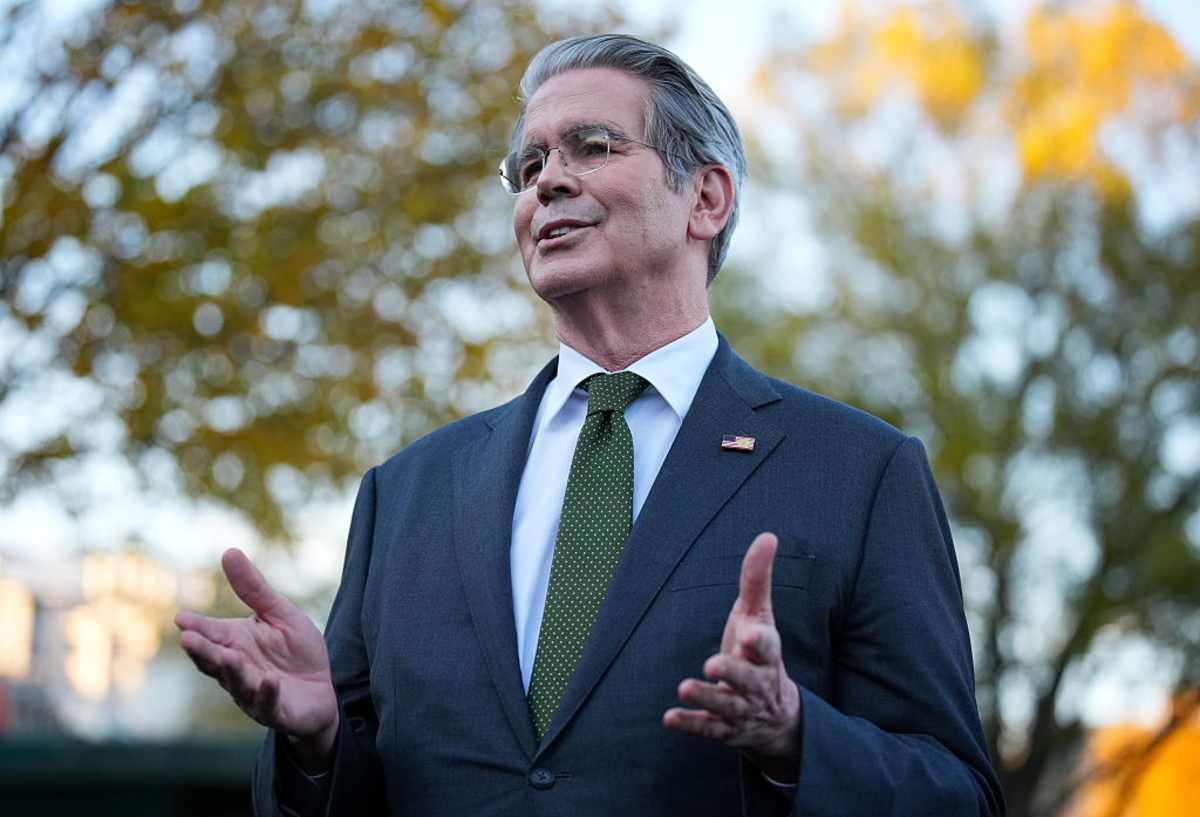
Despite the staggering estimates, Treasury Secretary Scott Bessent has maintained that the administration will recover all lost revenue in the future. The CFRB report mentioned that the administration plans to use Section 301 of the Trade Act of 1974 and Section 232 of the Trade Expansion Act of 1962 to bring in new tariffs or raise the rates later this year. Bessent stated that such plans will “result in virtually unchanged tariff revenue in 2026,” at the Economic Club of Dallas last month, after the Supreme Court's ruling.
More on Market Realist:
Expert says Trump's tariffs only benefit him and it will be 'bad for the US economy'
Many American businesses are set to raise prices on products — thanks to Trump's tariffs
Goldman Sachs says 'don't expect' companies to lower prices in response to tariff reductions