You’re more likely to buy a home in next 4 months if you fall under this income category

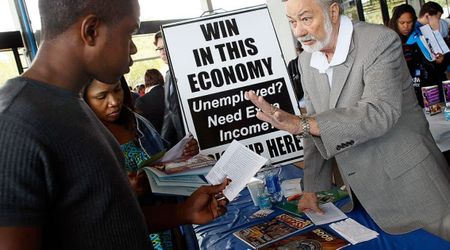
Americans making less than $50,000 a year are more interested in buying a home in the next four months than those earning over $100,000, a study by the Federal Reserve Bank of New York found. While the data negates the notion that the desire and ability to buy homes is directly tied to income, some experts suggest it could be a sign of desperation rather than aspiration, Newsweek reported. At the same time, the release of the study coincides with President Donald Trump's campaign to lower housing costs for first-time buyers and low-income families.
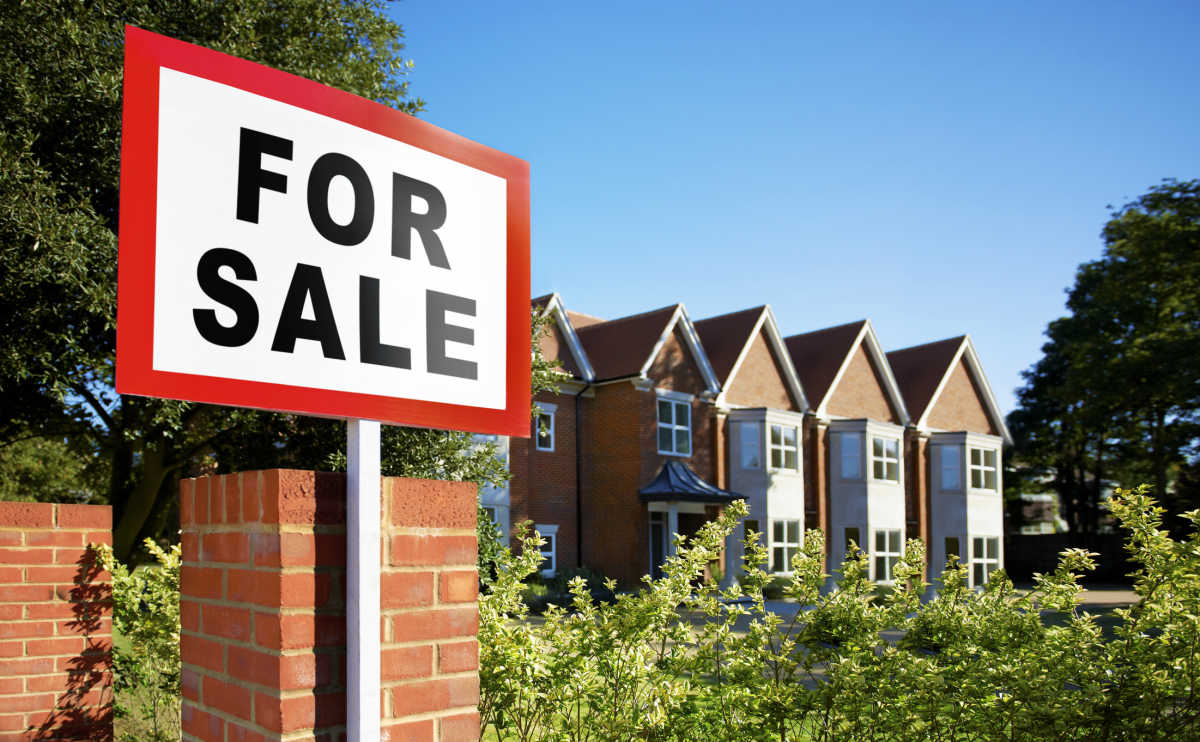
According to the Reserve Bank's study, 8.6% of Americans making under $50,000 plan on buying a home in the next four months, which is significantly higher than the $100,000 and over income group, of which only 5.9% expressed the same desire. As per Newsweek, the shift in data could be an indicator of adjustments in the housing market and the median increase in year-over-year spending. The December Household Spending Survey showed a 4.9% increase in spending in December last year, up from 4.1% in August and 4.6% in December 2024.
Another reason for the change could be the state of the real estate market and interest rates. “Wealthier Americans have locked in lower rates and have significant equity versus those that are either renting or looking to purchase,” Kevin Thompson, CEO of 9i Capital Group, told Newsweek, before adding, “So, there is really no need to move at this current time when sitting on what some consider ‘free money."

However, senior economist at Realtor.com, Joel Berner told the publication that the income required to purchase a home at the median price at 6% rate on a 30-year mortgage is well over $50,000, if the rule of not spending 30% of income on mortgage is followed. “Lower income Americans aren't optimistic, they're desperate,” Michael Ryan, finance expert and founder of MichaelRyanMoney.com, told the publication. He explained that when people are priced out of 90% of the listings, the intentions to buy a home don't reflect confidence but desperation and anxiety of waiting another year. “Higher earners can afford to be patient. They're not rushing because they already own, they're earning returns on investments, and they can time the market," he said.
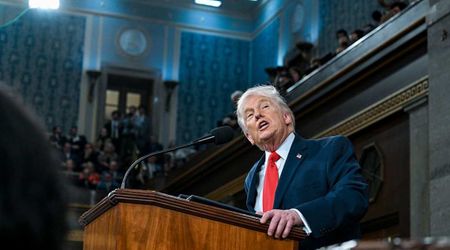
Meanwhile, President Trump has proposed several policies on social media to lower housing costs and make homeownership cheaper. Most recently, he signed an executive order to limit large institutional investors from buying single-family homes. The order directed federal agencies to review, scrutinize, and block support for large-scale purchases to reduce competition in the market. However, Tobias Peter, a co-director at the American Enterprise Institute Housing Center, told TIME that it may not do much for buyers. His research suggested that roughly 1% of the entire single-family housing stock was owned by Wall Street-backed investors and 85% was owned by individuals. This makes the administration's claim of big investors "crowding out families" and controlling neighborhoods seem weak.
More on Market Realist:
Planning to buy a home in 2026? This new housing report has an interesting update
Trump vows to restore the 'American dream' with his latest move and make homes affordable
Trump’s bold 401(k) idea could change how Americans buy their first home