
Genius doctor almost bankrupted a casino by cracking the roulette code and winning $1.2 million
Dubbed as the 'Gambling Doctor', Jarecki became one of the world’s foremost medical researchers in America
Sept. 21 2024, Published 10:30 a.m. ET

The roulette is a game of luck. However, a medical professor at the University of Heidelberg viewed it differently. Dr Richard Jarecki, who devised a method to beat the game, became a menace to casinos in Europe in the 1960s and early 70s. His astonishing winnings earned him the title of the 'Gambling Doctor'.
Here's how Doctor Gambling beat the wheel
Dr Jarecki had developed a system to win at roulette, and according to the New York Times, he accumulated about $1.2 million, or over $9 million in today's money. Dr Jarecki, who was born in Germany, fled to America during World War 2. In America, Jarecki became one of the world’s foremost medical researchers, The Hustle reported.
Living in New Jersey, he fell in love with games like rummy, skat, and bridge. Sometime in the early 60s, he developed an obsession with roulette. He was convinced that it could be “beat.”
He observed that while casinos replaced cards, dice, and balls every night, the roulette wheels stayed in service for decades. Thus, these wheels developed wear and tear, creating some biases in the spins. The doctor recorded tens of thousands of spins and analyzed the data for statistical abnormalities.
“I [experimented] until I had a rough outline of a system based on the previous winning numbers,” he told the Sydney Morning Herald in 1969.
After winning decent money in America, Jarecki moved back to Germany, to work at the University of Heidelberg. He realized that European roulette wheels offered better odds as they had 37 slots instead of 38. They were also old, and full of physical defects.
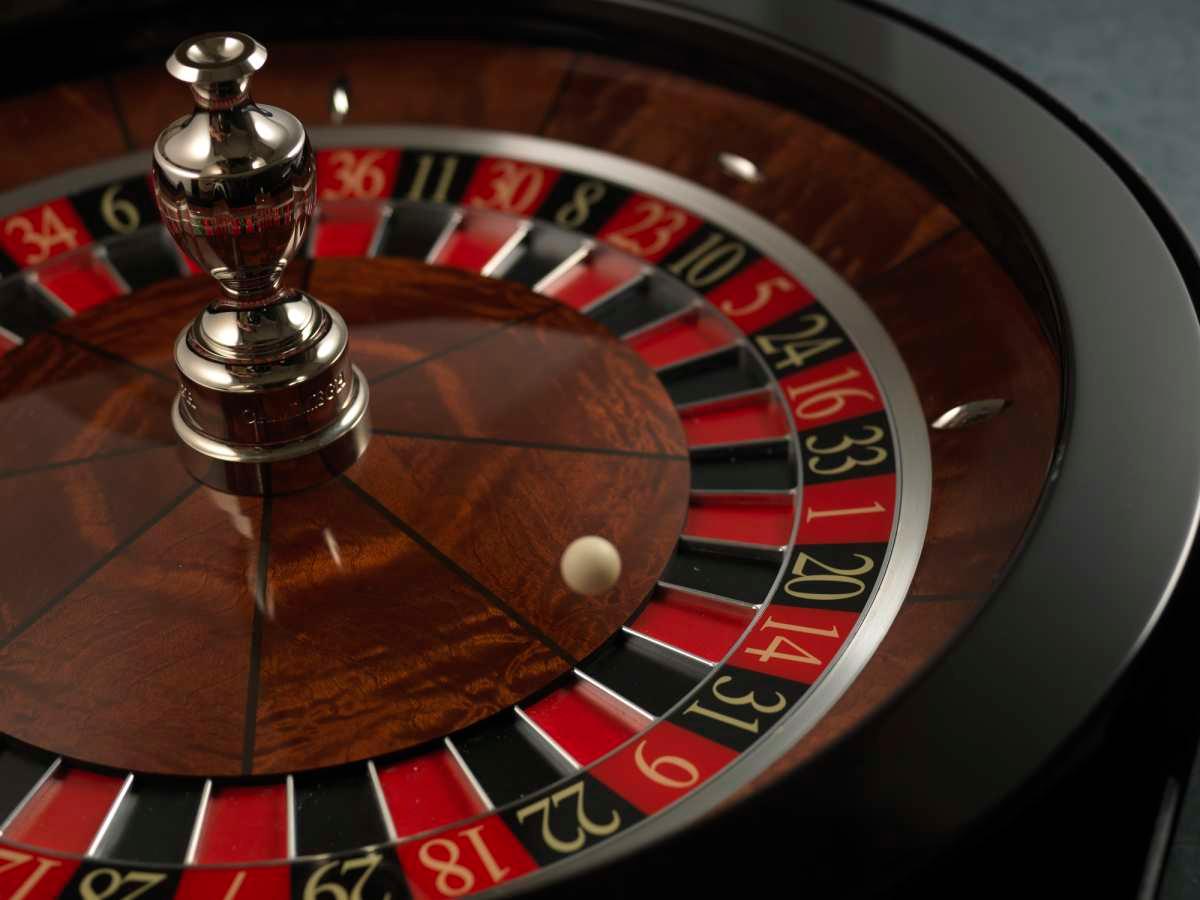
He scouted dozens of wheels at casinos around Europe from Monte Carlo (Monaco) to France to Germany. They even recruited a team of 8 people to record more information. In 1964, Jarecki struck big as he won £625,000 (~$824,000 today) after betting a loan of £25,000 (~$33,000).
By the end of the run, he’d netted nearly $1.2 million. Flush with cash, Jarecki bought a luxury apartment near San Remo, a palatial Italian casino on the shores of the Mediterranean, and drove around in a Rolls Royce. His winnings made him a celebrity.
He once almost bankrupted a casino forcing the owner to issue a 15-day ban for “being too good". The night after the ban was lifted, he won another $100,000 (~$717,000). By this time, he was also drawing large crowds when he showed up at a casino.
Losing the edge
Europeans scrambled to clip Dr Jarecki’s wings. They switched tables from time to time, but the gambling doctor's memory beat them. Some even tried to ban Dr Jarecki from their venues and even the country. But he appealed the decision to come back and win more.
Finally, the San Remo casino, one of his biggest victims, replaced about two dozen of its tables to negate Jarecki's advantage. Furthermore, manufacturers made roulette wheels with more care, offering fewer biases to exploit.
Dr Jarecki died in 2018 at his home in Manila at the age of 86.