
'Stranger Things' ended up making an insane amount of money for the US economy
The show also led to a surge of interest in several products that translated into rising sales.
Jan. 8 2026, Published 9:53 a.m. ET

Netflix's biggest show ever, "Stranger Things," has become a cultural phenomenon, maintaining its popularity for nearly a decade and garnering more than 1.2 billion views on the platform. Apart from leaving a mark on American pop culture, it has also contributed to the U.S. economy. In its recent release, Netflix shared that the show contributed more than $1.4 billion to the U.S. GDP since its debut and generated thousands of production jobs.
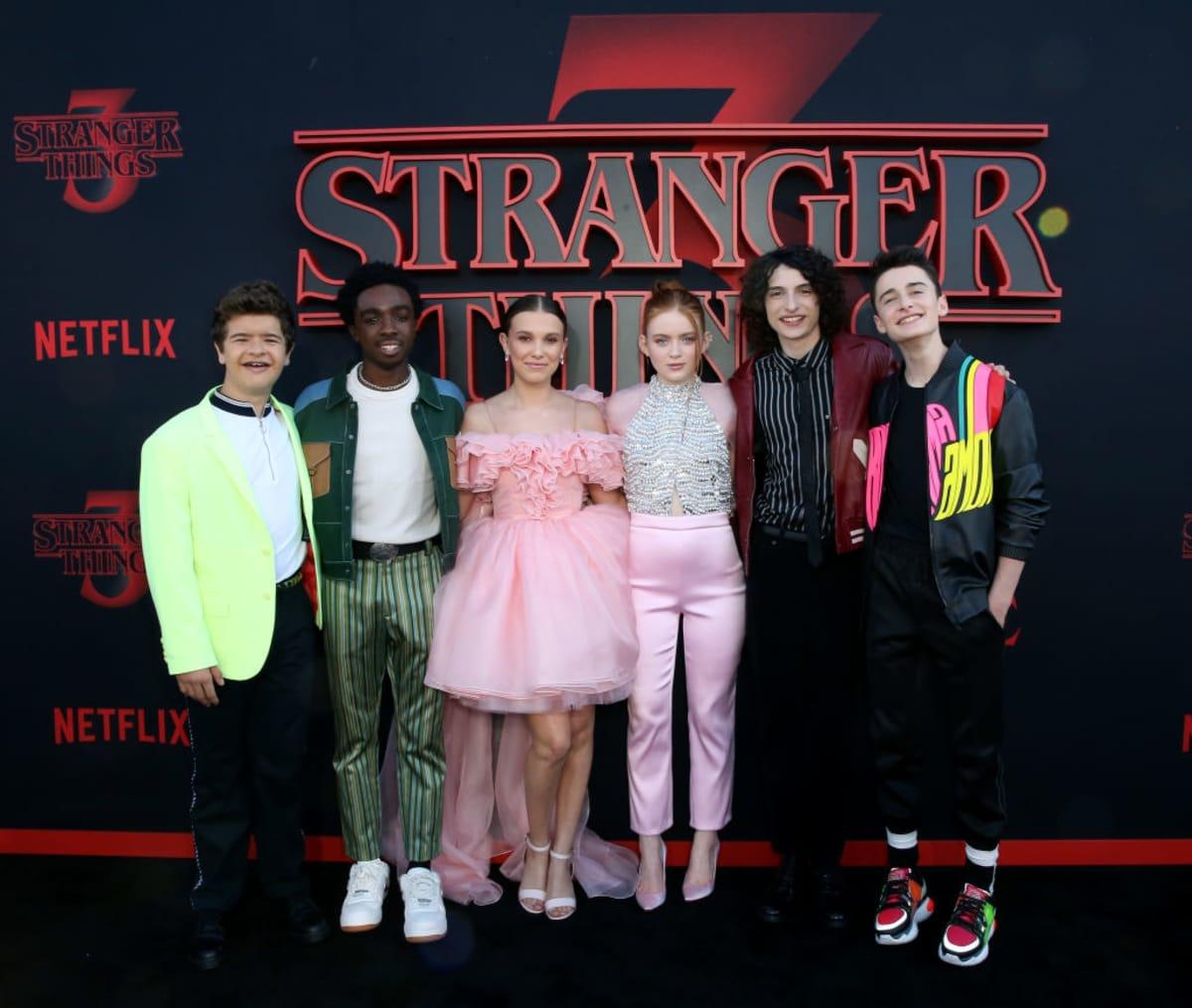
Created by The Duffer Brothers, Stranger Things debuted in 2016 and quickly became one of Netflix’s most popular series ever. The show garnered 140.7 million views just from its fourth season alone, and it recently concluded the saga with its super hit two-part finale. The premiere marked the biggest week for an English-language show on Netflix Global with 56.6 million views. Taking one final trip down memory lane, the streaming giant shared how the show impacted the economy. The locations include, Bradley's Olde Tavern in Jackson, Georgia, which appeared as the Hawk Theater in the show, and other key Georgia locations include the Tucker Recreation Center (Hawkins Elementary), Madison Hospital (Hawkins Hospital), Emory at Briarcliff (Hawkins Lab), Dominick’s (Enzo’s) and Stone Mountain Park (Castle Byers), and more.

The streaming giant noted that the highest economic impact was in Georgia, where the series was filmed. As per the release, the show contributed over $650 million to the state's GDP, and it was home to over 2,000 vendors involved in the production. The next big beneficiary was California, which served as the home away from home for the leading character, Eleven. Netflix noted that the show added over $500 million to the Golden State's GDP during its production.
The streaming giant also touted innovative tech used for the series that helped reduce its environmental impact. The release shared that the production reduced diesel generator fuel by 43%, and the show also created a renewable energy microgrid camp using solar technology. The same has been applied to other productions as well, which are leveraging electric grid tie-ins, solar-powered trailers, battery-generator hybrids, mobile batteries, and more.

Apart from its direct impact, Unilad Tech also noted the secondary effect of the show. The publication noted that fans also flocked to buy various merchandise for the show, adding another significant economic boost. Furthermore, the series led to a surge of interest in ‘Eggos,’ a waffle-based snack that emerged as the favorite food of Eleve. Back in 2017, following the release of the show, Kellogg's, the maker of the snack, reported a 14% revenue growth, and the popular game, 'Dungeons & Dragons', which featured in the show, saw a 673% spike in interest, as per the publication. Before the finale was released, Nabisco's Stranger Things–themed snack, 'Chips Ahoy' cookie, fetched 11 billion fandom impressions.
More on Market Realist: