
Former Fed economist warns further rate cuts could hint at deeper economic trouble in US
Claudia Sahm told Fortune that the Fed was stuck in a hard place.
Dec. 12 2025, Published 6:11 a.m. ET

The Federal Reserve lowered interest rates again for the third time in a row, at its final meeting of the year. Chair Jerome Powell cited the weakening job market as the reason for the 25 basis point cut, which set the target range of 3.5% to 3.75%. While the move was widely anticipated, analysts and experts aren't widely enthusiastic about the sixth total rate cut since September 2024. Former Fed economist Claudia Sahm warned on Wednesday that any more cuts would be necessary if the economy is in bad shape.
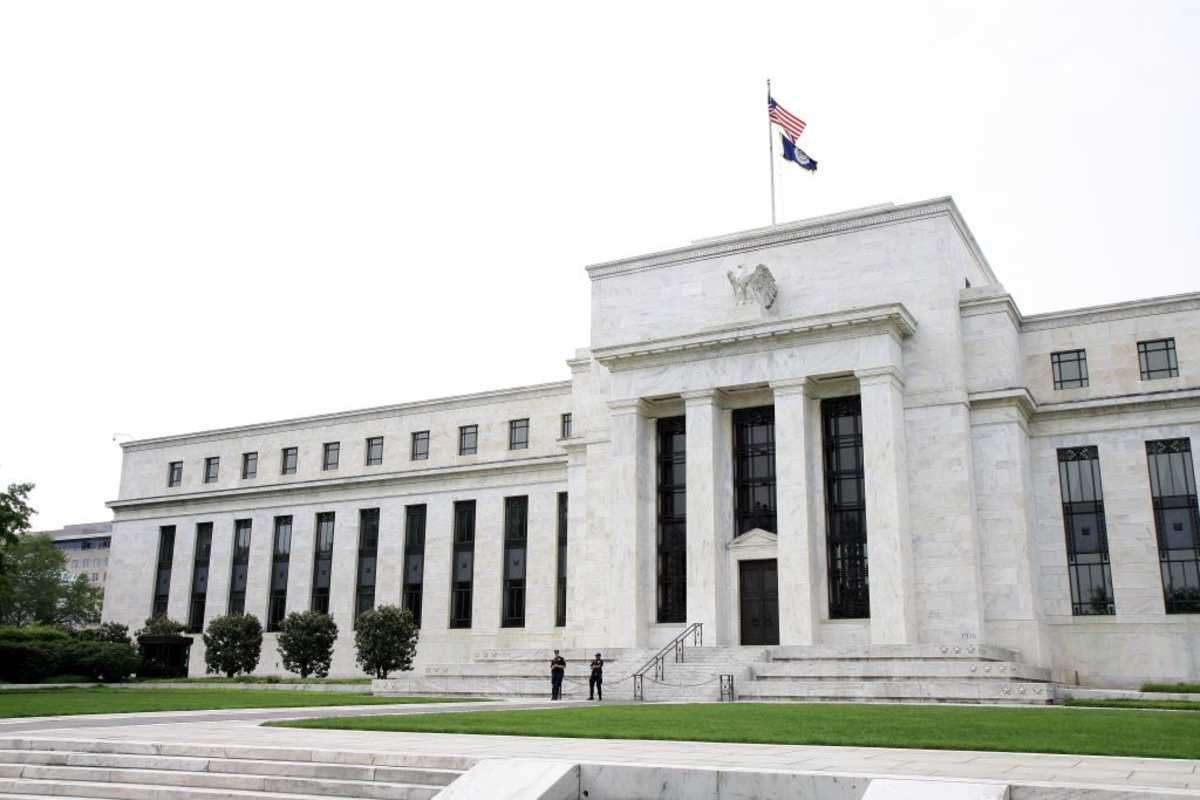
As per the publication, the Fed's decision exposed the fractures inside the central bank, as three officials dissented from the move. While Stephen Miran pushed for a 50-basis-point cut, Austan Goolsbee and Jeffrey Schmid urged the Fed to hold the rates steady. However, Powell was ultimately able to guide his deeply divided committee toward a consensus on how to manage the country's higher inflation and unemployment.
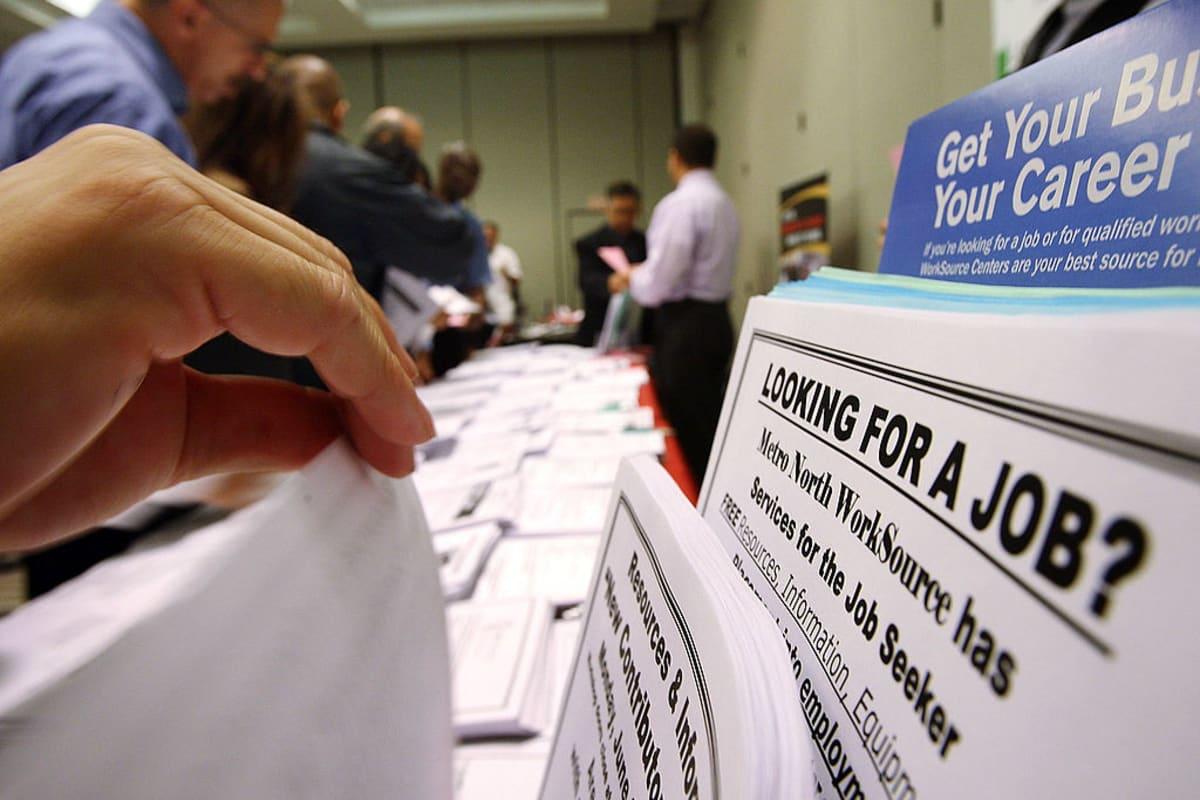
The primary driver of the Fed's decision was the concerning unemployment rate. According to the government’s JOLTS report, released Tuesday, job openings in October rose modestly, but remained far below last year’s levels, while hiring remained stuck at 3.2%. The data were consistent with Powell's description of a "low hire, low fire" labor market.
“If the [Jerome] Powell Fed ends up doing a lot more cuts, then we probably don’t have a good economy. Be careful what you wish for," Sahm told Fortune. She noted that the Fed was straddling between the sticky inflation rate of 2.8% which is higher than its target of 2%, and the unemployment rate rising. “It is a tough one. Whatever they do could upset the other side," she said.
She added that the fact that Powell is nearing the end of his term, the tension is especially sharp. The Chair of the Fed has three meetings left in his current term in January, March, and April, before the Trump administration puts his successor in place, whose name is expected to be announced around Christmas.
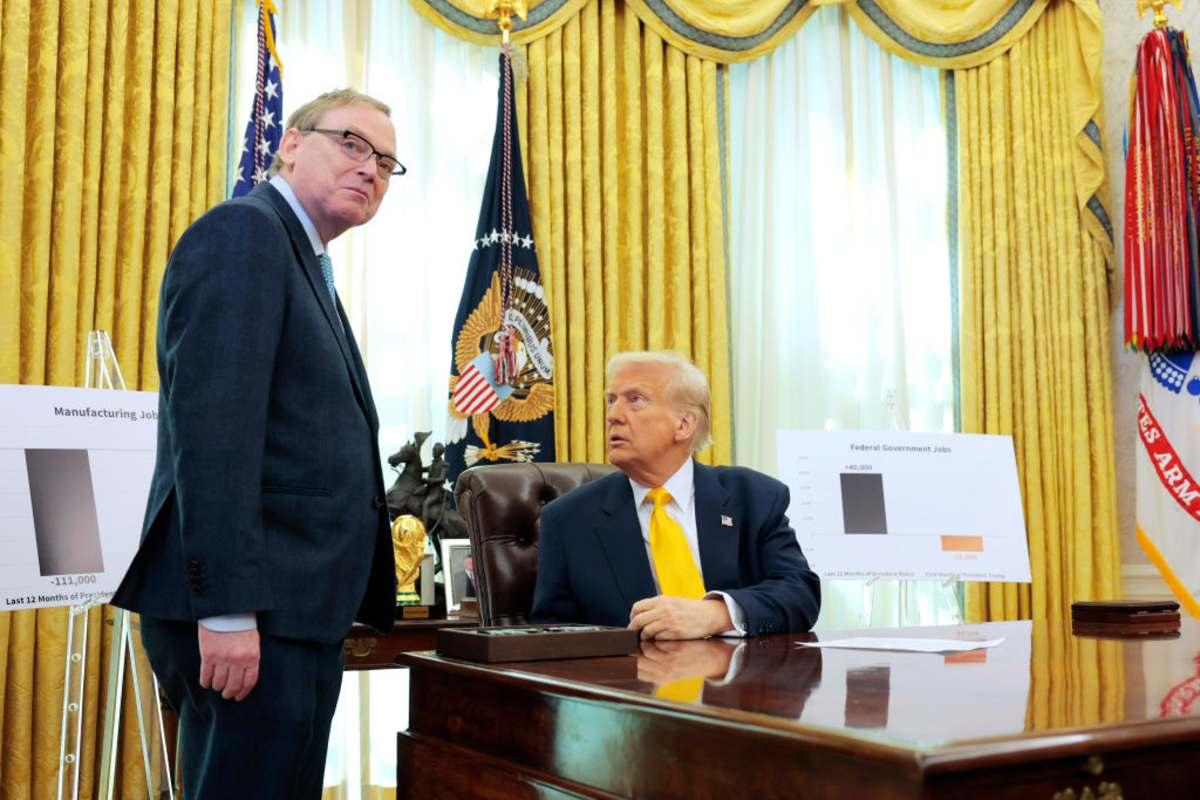
However, for Sahm, the data matters more than politics. Sahm focused on the underlying reason for the rate cut; she suggested that the move may be risky. “Initial claims don’t give you a sense of what’s coming,” she said, indicating that the current data is a "lagging indicator," which means the negative rates tend to spike after a recession is underway, not before it. “If the Fed waits until they see signs of deterioration, they’ve waited too long," Sahm said. She suggested that each additional cut requires a stronger justification, and every rate cut takes pressure off the economy while keeping inflation steady. This trend of pushing the bar high while remaining data dependent is what Wall Street calls a "hawkish cut", Fortune noted.

In the end, Sahm told the publication that the December employment report will arrive a week after the rate cut, and that will make it clear whether the move was a much-needed one or the cutting cycle needs to be finished. “If all goes well, this could be the last cut of the Powell Fed," she said.
More on Market Realist: