
Home prices have dropped for the first time in two years — what does it mean for sellers?
Data from Parcl Labs shows home prices have dropped in multiple cities.
Dec. 16 2025, Published 8:09 a.m. ET

Amidst concerns about the rising cost of living, home prices in the U.S. have finally cooled down, in comparison to last year, according to a report from Parcl Labs, which looks at high-frequency listing data on single-family homes, condos, and townhouses, both new and existing. Citing the report, CNBC shared that the prices have slipped 1.4% over the past three months, turning in a negative for the first time since mid-2023.
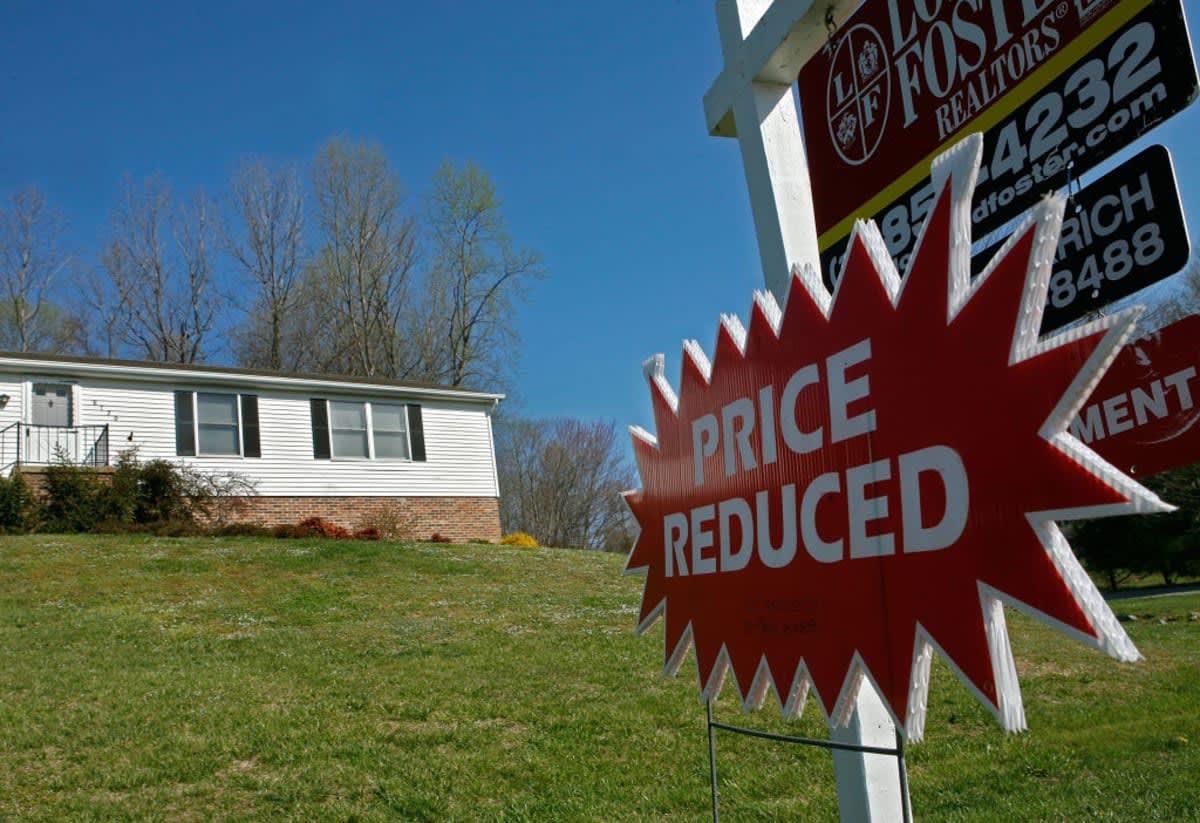
According to Parcl, the prices have come down as the market absorbed higher mortgage rates and a steady inventory rise. The prices are further expected to remain soft, with active listings in November rising by 13%, as compared with last year, despite the inventory still being at a historically low level, according to Realtor, CNBC noted. Even new listings ticked up 1.7%, indicating that sellers are retreating from the market at unusually higher rates.
Home prices in the U.S. have not gone down since mid-2023, a year after the Federal Reserve first brought rates up from zero, and mortgage rates moved sharply higher, as per the publication. According to Mortgage News Daily, the average rate on a 30-year fixed mortgage rose from 3.9% to a whopping 7.5% from March 2022 to June 2023.
Despite the rise, the price declines happened across cities, though at uneven rates. As per the report, prices in Austin were down by 10%, in Denver by 5%, and in Tampa and Houston by 4%, while cities like Chicago, Cleveland, and New York witnessed price gains of 5% to 6%, instead of reductions. Apart from these three, Philadelphia also saw prices increase by 3%, and Pittsburgh and Boston both saw 2% price gains, according to Parcl. The Capital Region also saw new listings and inventory rise for sale metrics in October by 3.2%, according to the latest data.
“More recently, we have seen a period of national softness emerging after the rapid run-up during the Covid years, 2020 to 2022,” Jason Lewris, co-founder of Parcl Labs, told CNBC. “The sharp increase in mortgage rates in 2022 and 2023 created an affordability shock: buyers were priced out, sales volumes dropped, and sellers had to adjust expectations. Historically, that combination of a credit or affordability shock, weaker demand, and more inventory than the market can easily absorb is what tends to produce broad national price declines," he added.

Finally, with steady mortgage rates and the latest cut by the Fed, analysts expect home prices to hover around zero in the near term. “We continue to see demand-side weakness as a softening labor market and stretched consumer finances are contributing to a difficult sales environment,” Robert Dietz, NAHB’s chief economist, said in a November release. “After a decline for single-family housing starts in 2025, NAHB is forecasting a slight gain in 2026 as builders continue to report future sales conditions in marginally positive territory," he added.
Even with the prices cooling down, the drop is nothing compared to the period of the great financial crisis, when home prices dropped by 27% from their peak in 2006, according to S&P Chase-Shiller National Home Price Index.
More on Market Realist: