
Should the US government intervene with the private sector? Most Americans think not.
The U.S. government is intervening in private companies. Is this move thought out or beneficial?
Jan. 7 2026, Published 4:48 a.m. ET

In the past couple of years, Americans have struggled with rising prices, layoffs, and an affordability crisis. Zohran Mamdani's victory in the financial capital, New York, after promising socialist policies, indicates a major shift away from capitalism. A bird's eye view displays no urgent need for the government to meddle in private sector companies, but it's happening nevertheless. From a standpoint of long-term economic growth, the Trump administration is claiming that these investments are calculated, almost strategic and not random. But even during President Trump's first term, economic moves were quite radical.

The Biden administration did not revoke most of those changes and even ushered in state-level involvement in companies through the CHIPS Act and the Inflation Reduction Act, despite throwing shade at other countries for resorting to similar measures.

The obscurity behind the process of choosing which companies the government injects funds into, involvement in acquisitions and mergers, and imposing tariffs at the drop of a hat, have led to these moves being perceived as crony capitalism. The population has started believing that the rich continue to amass wealth while the poor become poorer. However, some economists are under the impression that in the bigger picture, these moves might not cause major disruptions to an economy as big as the U.S. on a global scale.

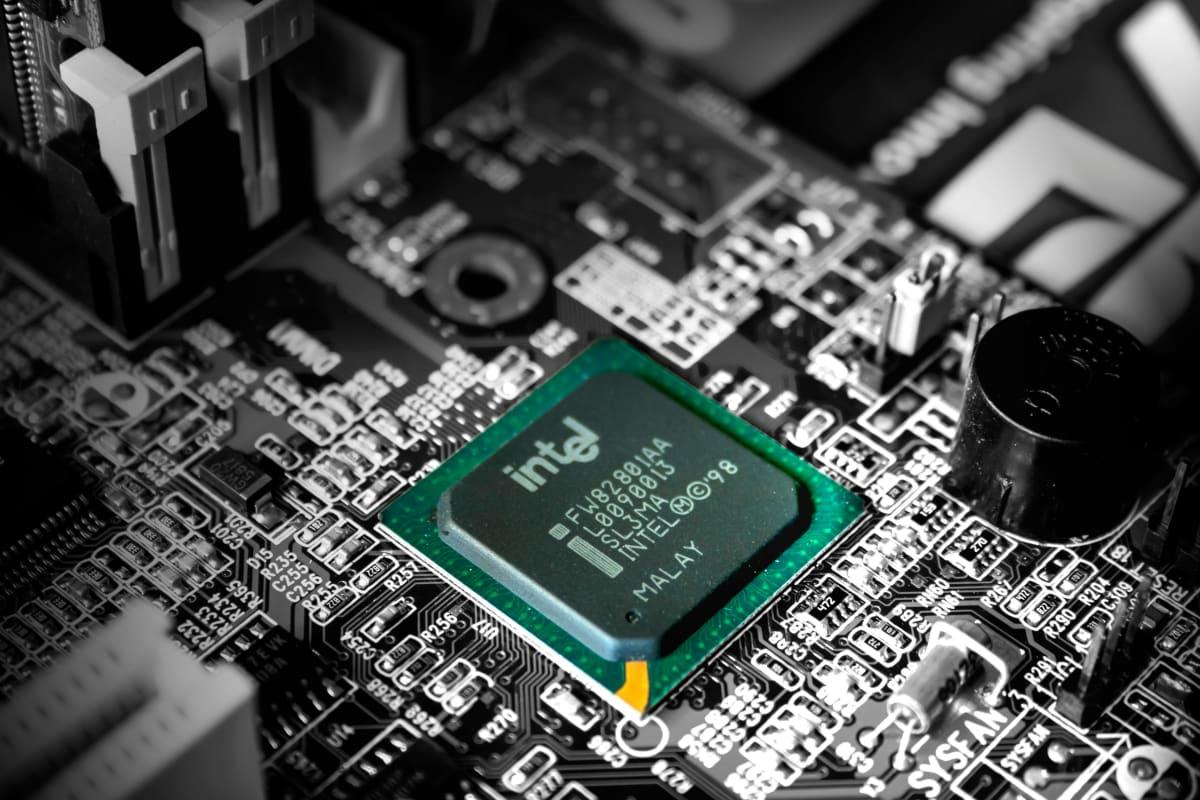
During the first year of President Trump's second term, the administration went on an investment spree, spending about $9.8 billion for a 10% stake in Intel to strengthen its domestic hold on production. Supporters argue that if this investment had not been made, then losing Intel would have been a blow to U.S. economic security. According to them, these investments are structurally placed in vital sectors where America is lagging behind. The government still maintains that equity stake intervention happens only on an absolute necessity basis, when there is a threat to national security.
When the U.S. government intervened in the private sector during the 2008 recession, it made sense. But now, instead of focusing on products, tech CEOs, according to Princeton economist Owen Zidar, are spending way too much time in D.C. This is where political influence in companies causes a distortion. This change by the Trump administration is not going away anytime soon. President Trump's approach to curbing dependency on foreign markets has a rationale to it. State-driven intervention into private companies is mainly to fix problems such as rising inequality and a volatile supply chain. However, the taxpayers must see reasonable returns on that investment.

Hence, the demand right now is for transparency. Valuation and governance should be priority requisites while making these investments.
More on Market Realist