
Millions of Americans will struggle with K-shaped economy in 2026 — should you be worried?
The divergence in the recovery of income levels of the poor and the rich is likely to keep growing.
Jan. 2 2026, Published 4:34 a.m. ET

With policies such as tariffs and tax cuts for higher-income groups, the wealthy continued to thrive in America, while those with middle and lower incomes struggled even more. This was described as a K-shaped economy, which has become a buzzword. The term gained momentum since the economy began recovering from the aftermath of the COVID-19 pandemic. While most economists are optimistic about 2026, some fear that the trend will continue to define the American economy.

In a K-shaped economy, different segments of society recover at drastically different rates after a recession or economic crisis, forming a "K" on a graph where the line representing the richer segment goes up, and the line representing the lower-income segment goes downward.
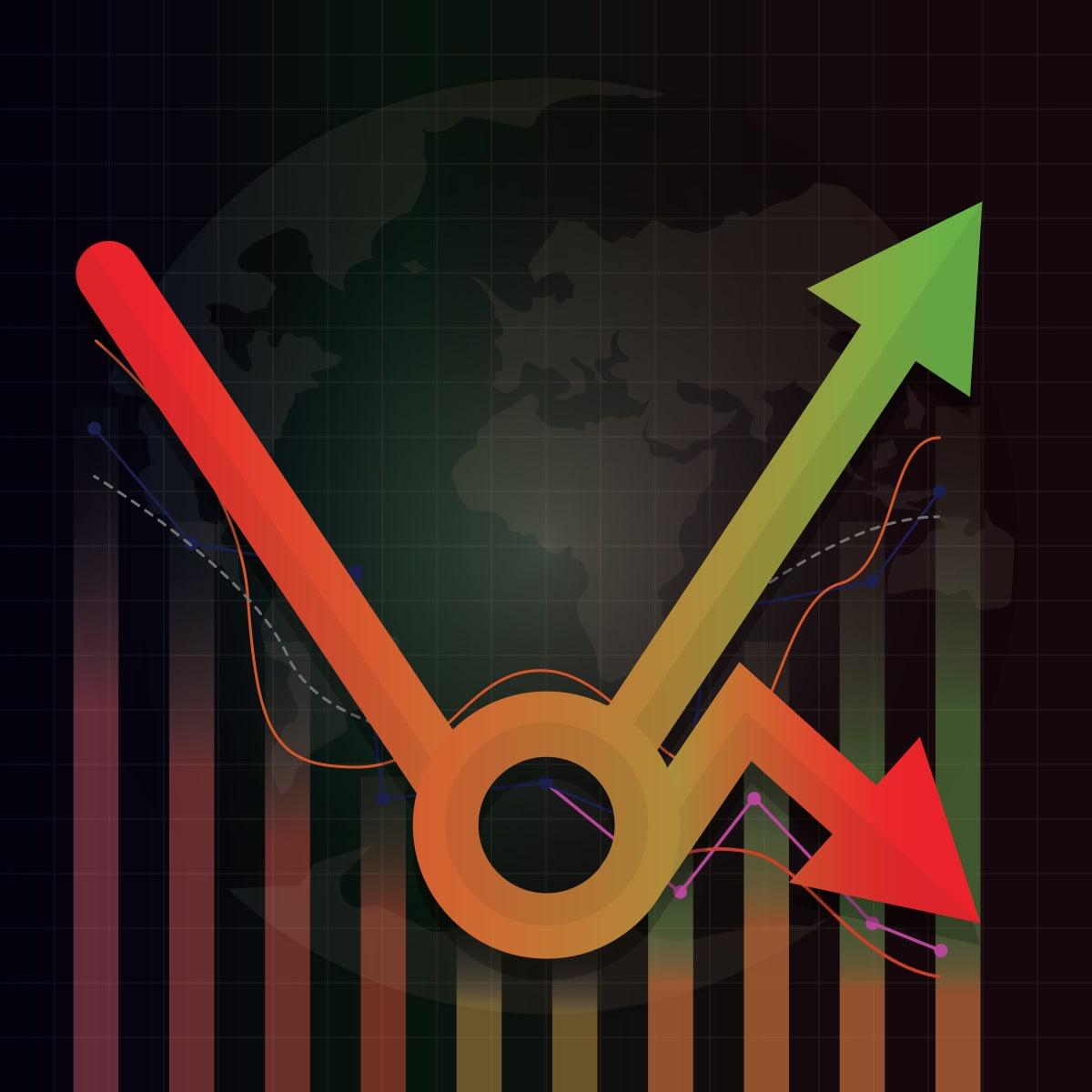
This is exactly how the U.S. economy looked like according to a report from the Bank of America Institute. It showed that spending from the consumers in the top third of the income distribution went up by 4%, while spending from households in the lowest third of the income distribution increased by less than 1%.
“The more well-to-do households are powering spending; they’ve been able to deal with the higher inflation over the last couple of years,” Justin Begley, an economist at Moody’s Analytics, told CNN. “Whereas, the lower end of the income spectrum and middle-income households are still spending, but they’re finding it harder to do so – given the fact that only just now are their wages starting to catch up with inflation," he added.

Citing Federal Reserve data, CNN reported that while U.S. households are keeping up with their bills, the debt payments as a percentage of disposable income have climbed from the historic lows in 2020 to just below the pre-pandemic levels. The publication noted that this is fuelled by the rising cost of living, where utility bills, insurance, housing, groceries, and other expenses keep rising. Meanwhile, several safety nets like the Low-Income Home Energy Assistance Program have been cut back.
The unemployment rate hit a four-year high of 4.6%, and the University of Michigan's final consumer sentiment reading of the year found that over two-thirds of the respondents expected unemployment to rise in the year ahead. With companies essentially being in a "low hire, low fire" state as described by Federal Reserve Chair Jerome Powell, the outlook of the labor market in 2026 isn't optimistic, either.
Despite all that, there is a ray of hope for 2025, with the benefits of larger tax cuts under the One Big Beautiful Bill Act materializing and consumer-facing companies lowering prices. Further relief could potentially come from the Fed's interest rate cuts.
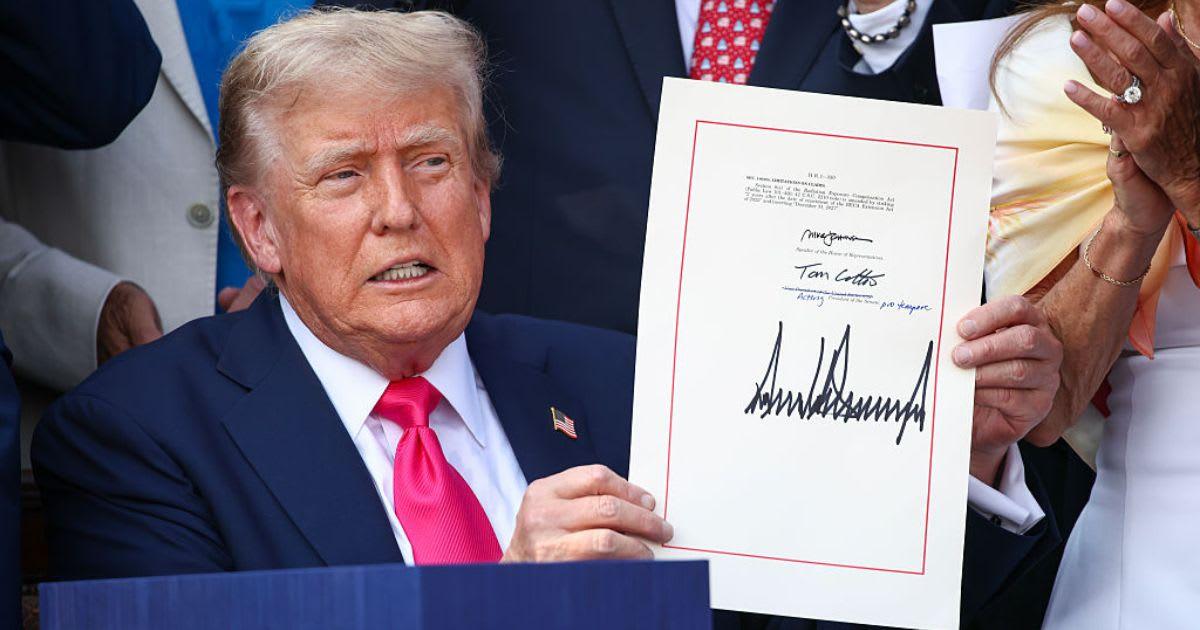
“So that ‘no tax on tips,’ ‘no tax on overtime,’ and, of course, the higher deduction for Social Security taxes plus expansions for the child tax credit, those should help lower-middle-income households weather any storm that comes their way,” Begley said. While it would help to an extent, it won't be a perfect replacement as the income growth is projected to slow down further as a result of the continued weakening labor market, Begley added.
More on Market Realist: