
Check out the Dot Com Firms That Bounced Back After Fading Away
The dot-com failures of yesteryear serve as cautionary tales of excess and hubris, but they also embody the spirit of innovation, resilience, and adaptation.
Feb. 25 2024, Published 3:15 a.m. ET

How Dot Coms are scripting their own comebacks

The dot-com era of the late 1990s and early 2000s was marked by exuberance, innovation, and ultimately, spectacular failures. However, amidst the wreckage of the dot-com bubble, some companies managed to rise from the ashes and stage remarkable comebacks in the modern digital landscape.
Pets.com
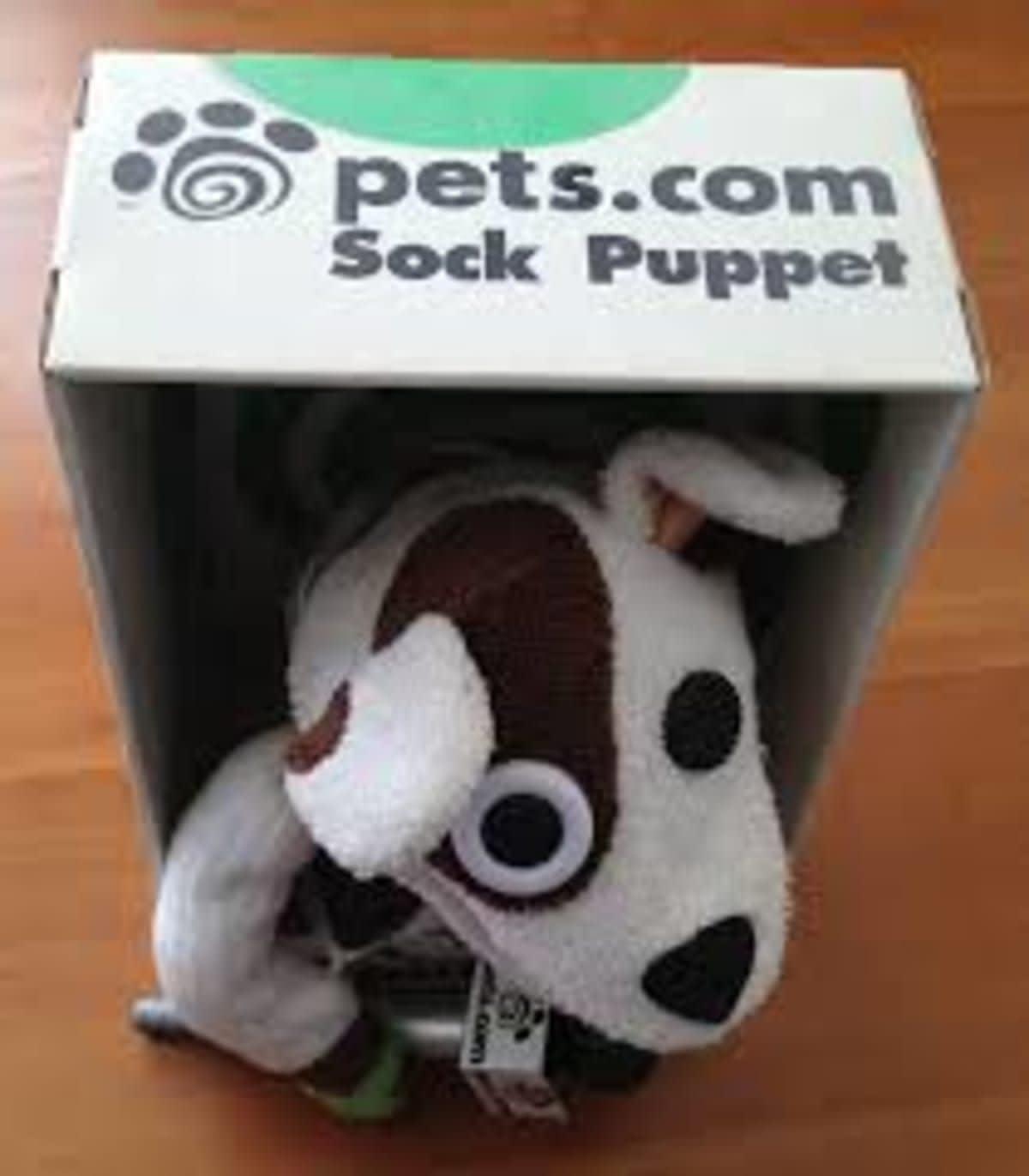
Once synonymous with the excesses of the dot-com bubble, Pets.com famously collapsed in 2000, symbolizing the era's irrational exuberance. However, the pet industry has experienced exponential growth in recent years, fueled by the rise of e-commerce and pet ownership trends. Companies like Chewy.com have capitalized on this resurgence, leveraging advanced logistics, personalized customer experiences, and subscription models to thrive in online pet retail.
Boo.com

Boo.com, an ambitious fashion e-tailer launched in the late 1990s, became one of the most high-profile casualties of the dot-com crash. However, the rise of fast fashion and the democratization of online retail have created opportunities for similar ventures to succeed. Companies like ASOS and Zalando have embraced technology, data analytics, and agile supply chains to cater to modern consumers' demands for convenience, affordability, and trend-driven fashion.
Webvan

Webvan, an early pioneer of online grocery delivery, burned through hundreds of millions of dollars before filing for bankruptcy in 2001. Nevertheless, the COVID-19 pandemic has fueled a seismic shift in consumer behavior, accelerating the adoption of online grocery shopping and delivery services. Companies like Instacart and Amazon Fresh have capitalized on this trend, leveraging sophisticated logistics networks, predictive analytics, and seamless user experiences to redefine the grocery shopping experience for the digital age.
GeoCities

In the early days of the internet, GeoCities was a pioneering platform that allowed users to create personalized web pages within themed "neighborhoods." Despite its initial popularity, it fell victim to shifting internet trends and was ultimately shuttered by Yahoo in 2009. However, the resurgence of personal blogging, content creation, and social media has reignited interest in self-expression online. Platforms like WordPress, Blogger, and Medium have democratized content creation, empowering individuals and businesses to share their stories and expertise with global audiences.
Napster

Napster revolutionized the music industry in the late 1990s with its peer-to-peer file-sharing technology, but its controversial approach to copyright infringement led to legal battles and its eventual demise. However, the advent of digital streaming services and the ubiquity of high-speed internet have transformed the music consumption landscape. Companies like Spotify, Apple Music, and YouTube Music have capitalized on this shift, offering millions of songs on-demand, personalized playlists, and seamless cross-platform experiences to music enthusiasts worldwide.
Kozmo.com

Kozmo.com promised to deliver anything from snacks to DVDs to customers' doorsteps within an hour, but its ambitious business model proved unsustainable, leading to its collapse in 2001. Nevertheless, the rise of on-demand delivery services and the gig economy has paved the way for similar ventures to thrive. Companies like DoorDash, Uber Eats, and Postmates have capitalized on consumers' desire for convenience and instant gratification, leveraging technology, logistics networks, and crowd-sourced labor to deliver goods and services at the touch of a button.