
Costco reveals why it’s not raising prices despite inflation — and members will love it
“We will never succumb to not being the best price and driving prices down for our members,
Dec. 19 2025, Published 1:22 a.m. ET

Costco's refusal to raise prices, despite potential profit gains, stems from a commitment to maintaining customer trust and a long-standing "bargain" represented by items like their iconic $1.50 hot dog and $4.99 rotisserie chicken. The company prioritizes price stability, even investing heavily in supply chains to uphold these prices. This consistency fosters customer loyalty and simplifies shopping habits, as customers like to rely on the predictability of pricing. Currently, CEO Ron Vachris has promised that the prices will remain stable despite the unpredictability of the market.
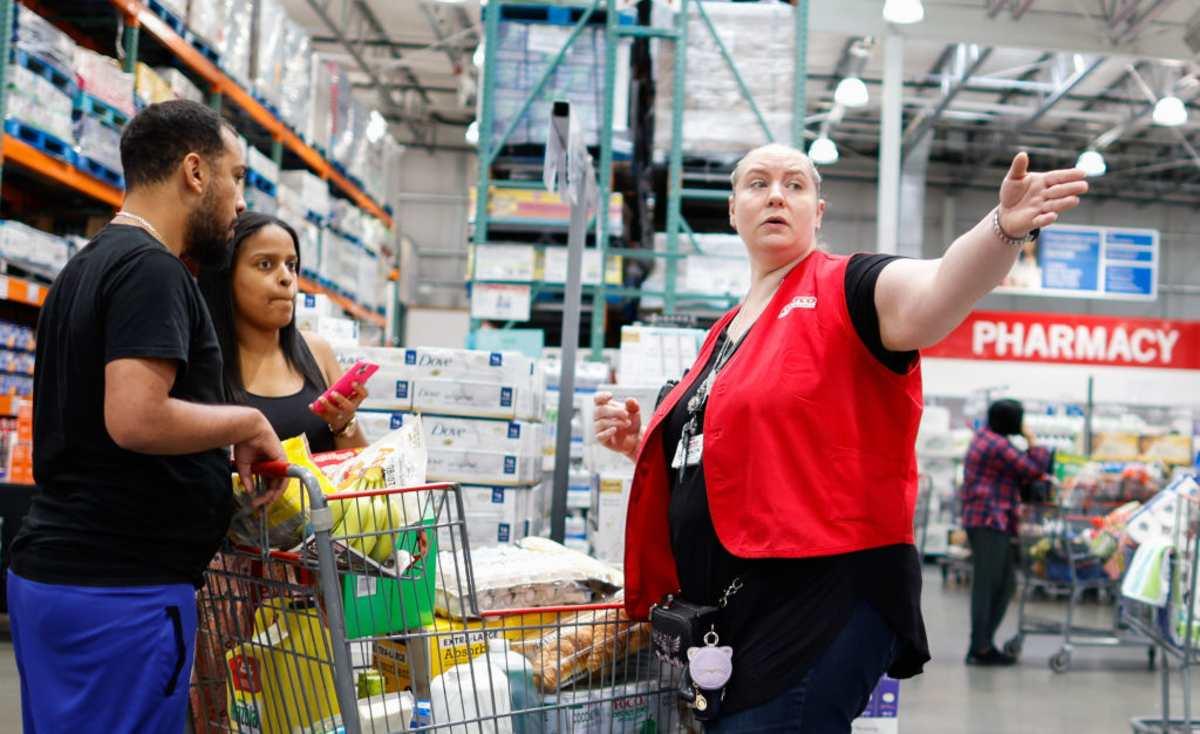
“We will never succumb to not being the best price and driving prices down for our members. That’s what Costco is known for. That will always be our leading mantra," he told investors. The Street reported that prices for consumer goods and services rose by 2.7% in November, primarily due to increases in food prices of 2.6%, electricity prices of 6.9%, and piped gas service prices of 9.1%. According to a Credit Karma survey, 49% of consumers believe their financial circumstances have gotten worse in 2025, and 38% are concerned about inflation and living expenses as 2026 approaches. Costco is stepping up efforts to help its members in reaction to the ongoing inflation.
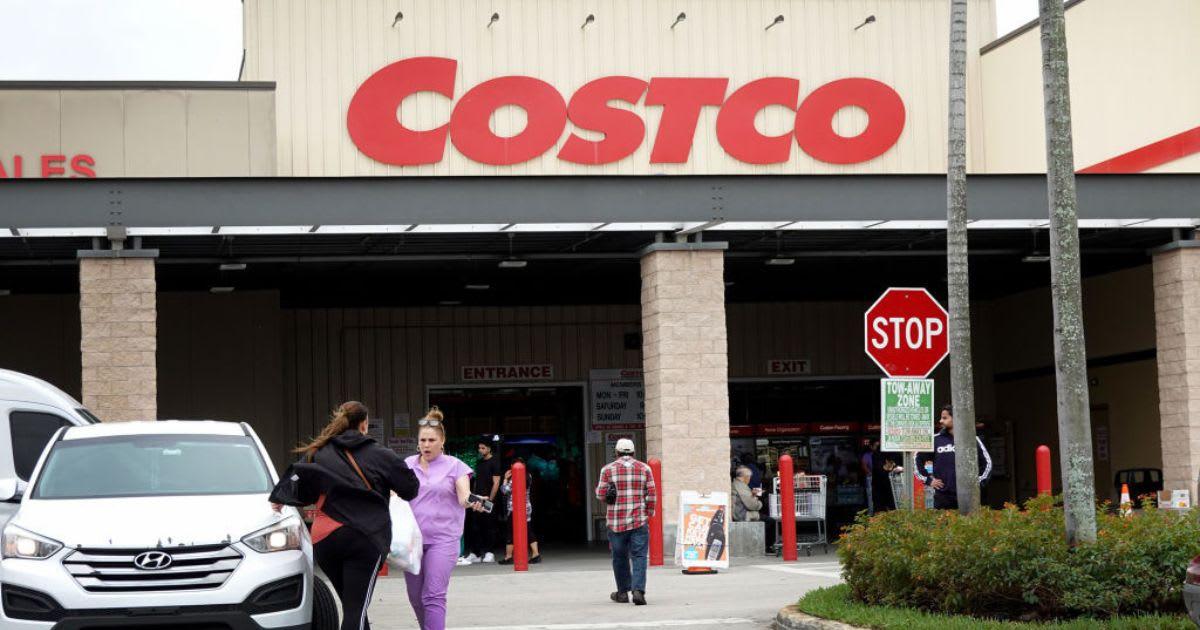
With a total of 921 warehouse clubs globally following the inauguration of eight additional sites, Costco reported a 6.4% gain in comparable sales, a 14% increase in membership fee income, and a 24% increase in digital site traffic. Ron Vachris, the company's CEO, highlighted the retail chain's dedication to keeping the best rates for members by cutting costs on essential products like bacon and Kirkland Signature chicken pot pie. Costco can maintain low prices and set itself apart from other shops because of its distinctive business strategy, which is mainly based on membership fees rather than per-item markups.

With $1.329 billion in member fee income from its most recent fiscal quarter, Costco reported solid profitability that allowed for price reductions. By cutting expenses and getting rid of middlemen, the company's Kirkland Signature brand is essential to keeping pricing low. However, because a large portion of its revenue comes from membership fees, Costco has more leeway to maintain low prices. The Street reported that CFO Gary Millerchip explained this by stating, “We believe our expertise in buying and the flexibility afforded by our limited SKU can give us greater agility to navigate the current environment and minimize the impact of tariffs. Our ultimate goal is to increase our member values compared to the market.”
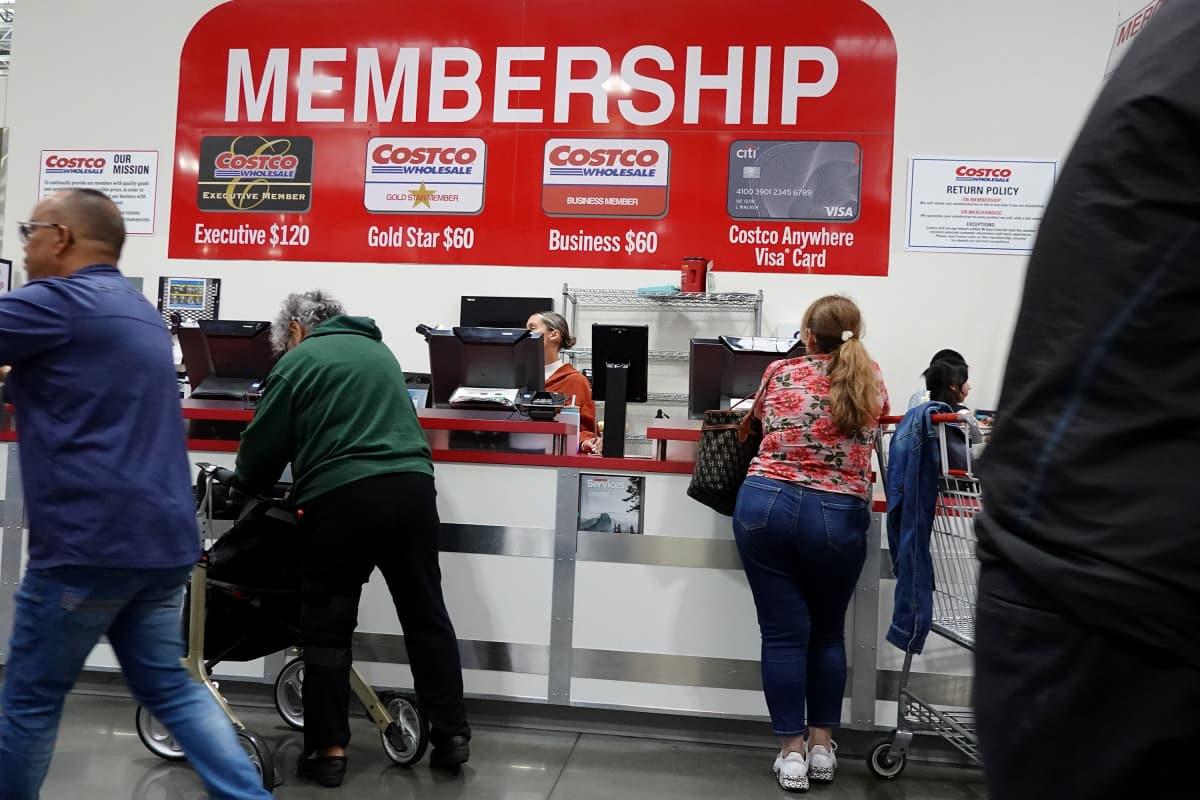
Finance YouTuber Taylor Bell explained another one of Costco's brilliant strategies to keep prices low with its Kirkland Signature brand, which was established in 1995. She stated that the retail giant consolidated various private label brands under a single identity to enhance brand recognition and trust among customers. Jim Sagal, Costco's co-founder, initiated this change after realizing employees were unaware of the company's multiple brands. Unlike many retailers that proliferate private labels to target different demographics, Costco opted for a unified approach, which has resulted in Kirkland accounting for about a third of its revenue, generating $86 billion in sales. This brand strategy fosters significant customer loyalty, contributing to a 93% membership renewal rate at Costco.
More on Market Realist: