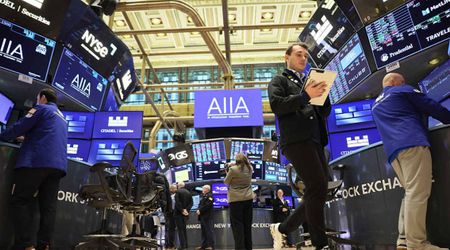
Goldman Sachs strategist warns current market trends look similar to those before 2008 crisis
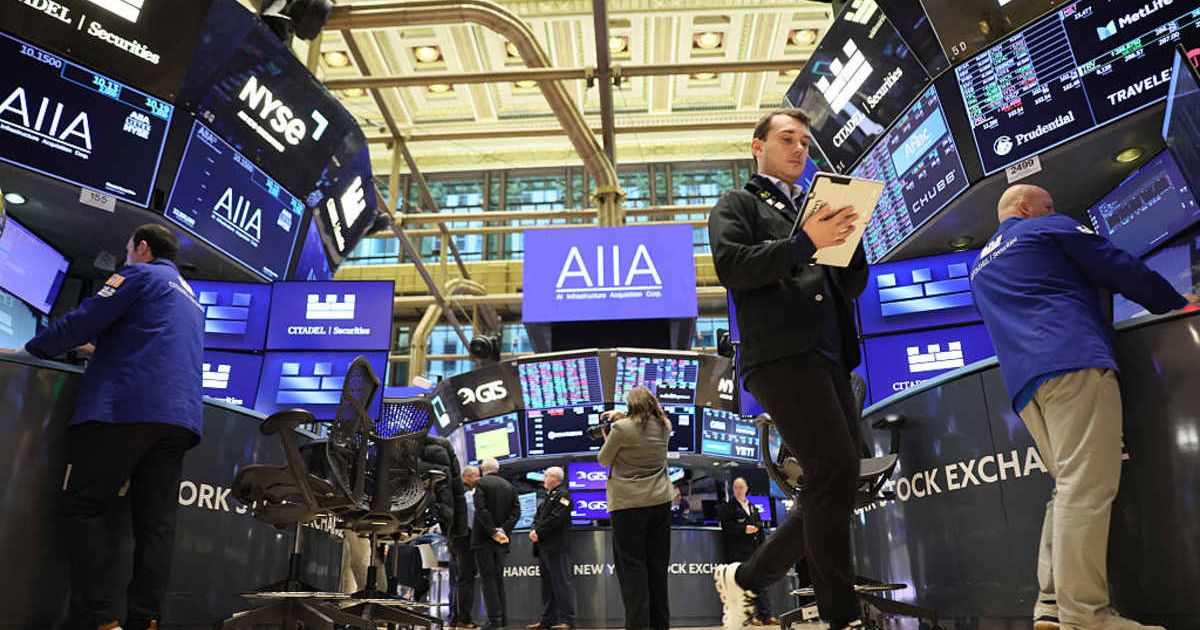
Leading investment banking and financial services firm, Goldman Sachs, has issued a warning against "correction risks" to global stocks due to worsening geopolitical tensions, artificial intelligence disruption, and elevated valuations. The firm's chief global equities strategist, Peter Oppenheimer, wrote that the markets are exhibiting a similar pattern that was seen in the lead-up to the 2008 Global Financial Crisis, in a research note published on Wednesday, Reuters reported. However, the veteran strategist added that he doesn't see the correction as a trigger for a long bear market, but as a buying opportunity for investors.
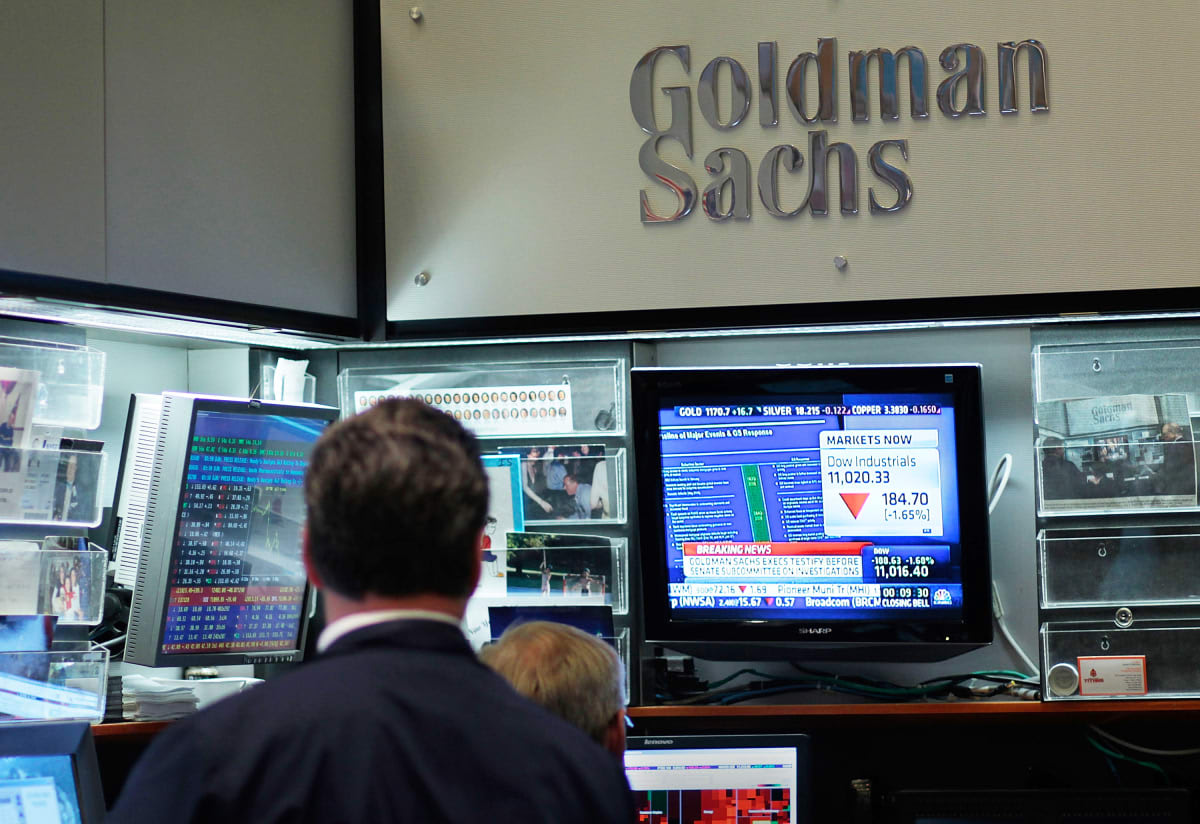
In his research note, Oppenheimer referred to the risk premia, which is a measure of the extra return that investors expect to receive from a risk asset than a risk-free one, adding that they “have fallen sharply and are now, mostly, back to levels seen in the run-up to the financial crisis.” This trend, according to Oppenheimer, has left equities more vulnerable to outside shocks or disappointments, which could be driven by technology competition, geopolitical tensions, or a poor growth-inflation mix.
Oppenheimer and his colleagues, Sharon Bell, Guillaume Jaisson, and Giovanni Ferrannini, collectively wrote in the research note that geopolitical uncertainty and AI-driven market anxiety alone serve as “a significant headwind for risk assets to absorb in the short term.” The economists claimed that the risks of a market correction are elevated, but any decline could serve as an entry point for investors, rather than the beginning of a prolonged bear market. Thus, Oppenheimer, in his note, did not predict a bear market but warned of the risks of a market correction in the short term.
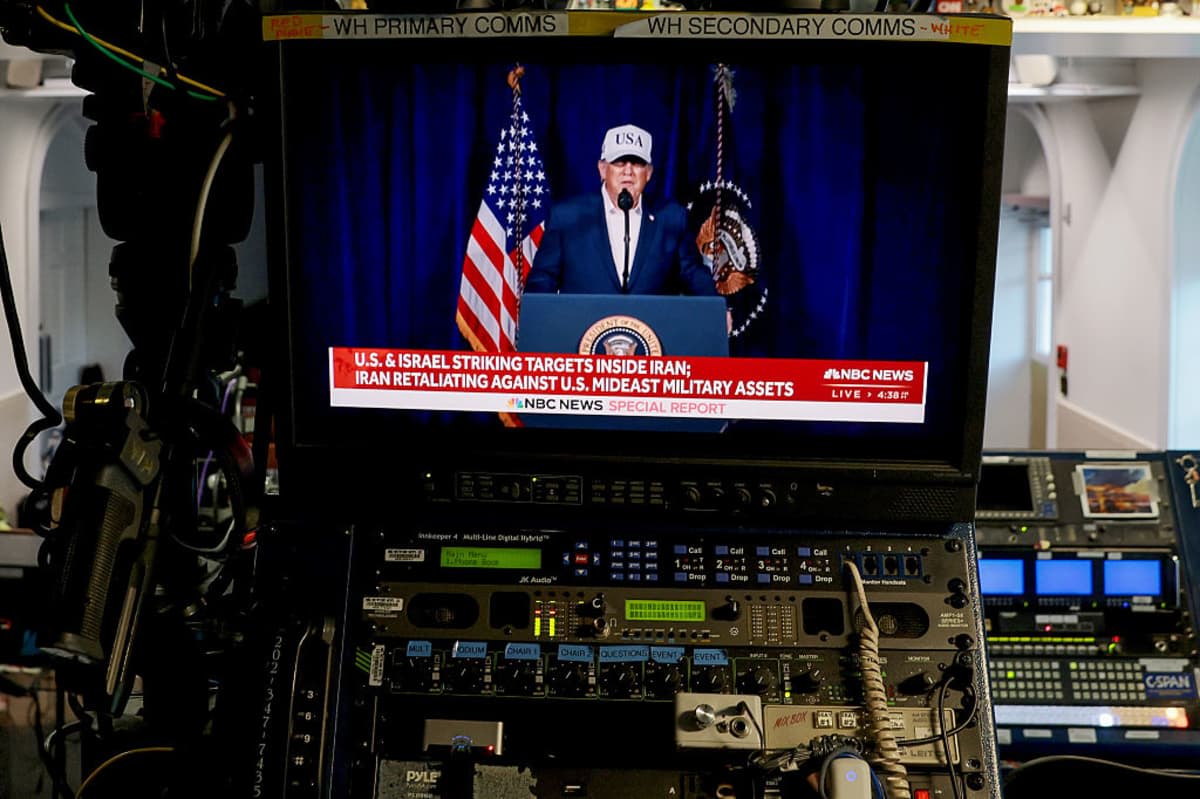
He added that equity valuations are inflated even outside the U.S. and are running above their 20-year historical averages. Since Goldman strategists referred to the MSCI's All Country World Index, a gauge for global equities performance, Reuters noted that the index declined for a fifth straight session on Wednesday, marking a decline of 4% from its record high. Oppenheimer claimed that the trend indicates that the global market is more exposed to outside shocks, particularly those like the Iran conflict, which threatens global oil and gas supplies and can affect growth and inflation expectations.
Despite the risks, Goldman economists forecast the U.S. GDP to grow at a decent 2.8% rate, noting that global earnings estimates have risen since January as private sector balance sheets remain healthy enough to absorb shocks without triggering an economic downturn. The worrying observation made by Fortune is that the market signals resemble the lead-up to the 2008 crisis, when private-sector balance sheets also looked healthy.

The outlier in the current situation is that earnings have continued to grow, and Goldman’s research shows earnings estimates have risen since the start of the year, marking an unusual positive. Thus, Oppenheimer recommended that investors keep diversifying to minimize risk. "We continue to recommend broad geographical, factor, and sector diversification as a way of improving risk-adjusted returns," he wrote, as per the publication.
More on Market Realist:
JPMorgan CEO warns banks doing 'dumb things' could trigger a financial crisis like 2008
Top strategist spots red flags that remind him of 1929 stock market crash — and AI isn’t the reason
Turns out, an AI-generated fake news has the power to trigger a stock market crash