AI in the workplace could spark a movement that may unite workers like never before

Following the era of the Great Resignation — when workers voluntarily left their jobs in search of a better quality of life after the COVID-19 pandemic — the rapid rise of artificial intelligence has ushered in a new phase of widespread job anxiety. On the backdrop of a worsening affordability crisis, weakening economies, and geopolitical instability, the fear of AI tools replacing jobs appears larger than it potentially is. According to The Guardian, this can trigger a new workers' movement where employees push back against artificial intelligence in the workplace.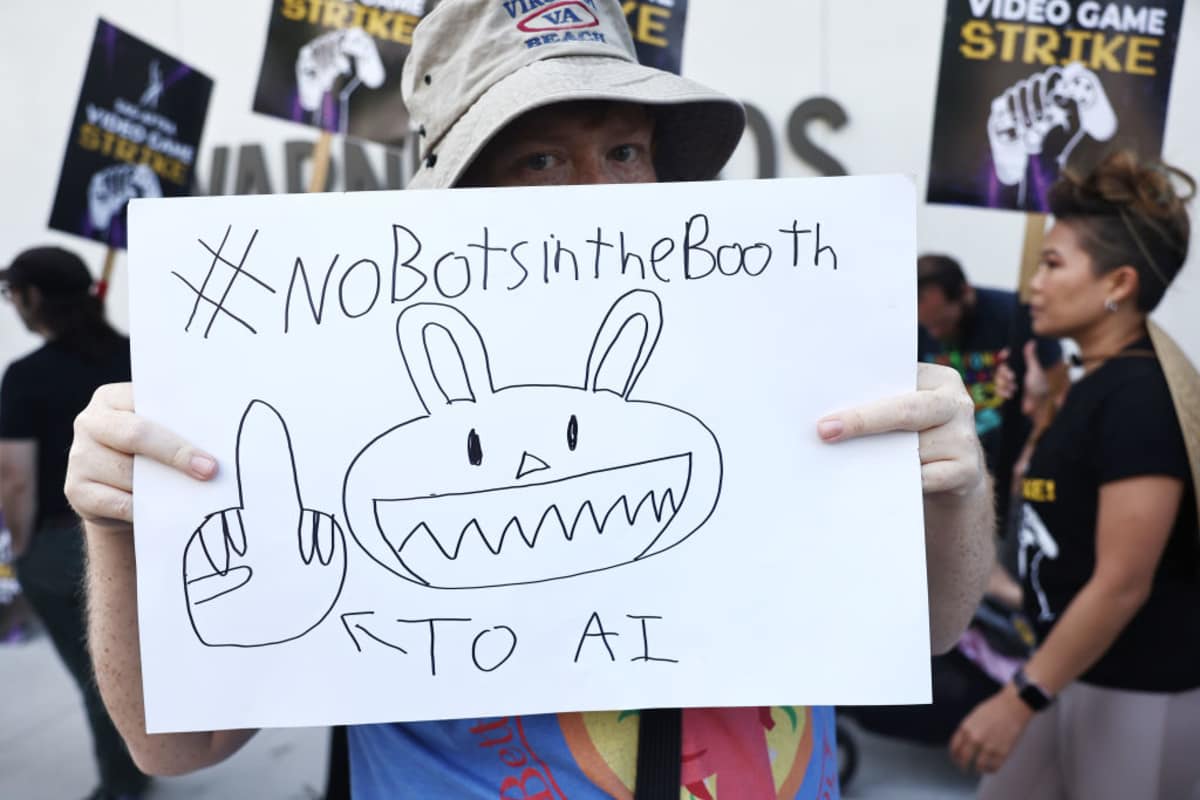
The societal anxiety over the negative impacts of AI is affecting blue-collar workers the most, many of whom are already battling algorithmic surveillance and workplace optimization every day. Now, they fear AI adoption will only dehumanize their jobs further, if they aren't replaced altogether. "[For] lower-wage workers, there is concern about being replaced by robots. But on the other hand, there’s a lot of concern about being turned into robots,” Lisa Kresge, a senior researcher at the UC Berkeley Labor Center, told The Guardian. On the other hand, white-collar workers fear their work will begin resembling blue-collar labor, where they will be similarly tracked and managed, as they will need to switch to more manual jobs with AI taking over administrative and strategic roles.
Over the last few years, counselors have noticed that the topic of AI anxiety has come up a lot during sessions. "I’ve had clients lose their jobs due to AI, and it’s something we’ve processed in our sessions,” Emma Kobil, a trauma counselor in Denver, told CNBC. She added that workers often express “shock, disbelief, and fear" about navigating the changing career landscape where their skills become obsolete. Furthermore, a 2025 survey from the American Psychological Association found that over a third, or 38% of workers, were worried AI would make some or all of their jobs outdated in the future. The situation is dire as AI was a major factor in nearly 55,000 layoffs in the U.S. alone last year, according to data from consulting firm Challenger, Gray & Christmas.

With this, workers are only getting increasingly frustrated and anxious with the power shift. “It was not a pretty time for a lot of workers. And so part of the resurgence of labor organizing from that period of time was in response to a lot of fears,” Kresge said. However, the struggles have also prompted workers to see AI as an opening for them to regain some of the power, much like the times of the Great Resignation. In fact, Kresge claimed she still holds on to hope, claiming, “I’m hopeful about the opportunity for technology to lift up some of the issues that have been underway in our economy for decades, in terms of how workers are treated and how we are distributing the rewards of productivity."
However, for the tech CEOs, leading the AI race has become paramount, and the glimmer of hope for them is that the technology will create more jobs than it replaces. Tech leaders have argued that AI will create almost entirely new industries, with a greater demand for the workforce with the right skills. Elon Musk called it a "supersonic tsunami" that will upend the labor market. "I think there will be actually a high demand for jobs, but not necessarily the same jobs," the Tesla CEO said on Joe Rogan's podcast.
More on Market Realist:
Ex-Google chief warns about major damage that AI can inflict: 'It's crystal clear to me'
Study reveals the number of jobs AI could replace in next 20 years — and it’s not good news
Andrew Yang predicts millions of Americans could lose their jobs sooner than they think