Economists are concerned America could witness a 'jobless boom' in 2026 — should you be worried?
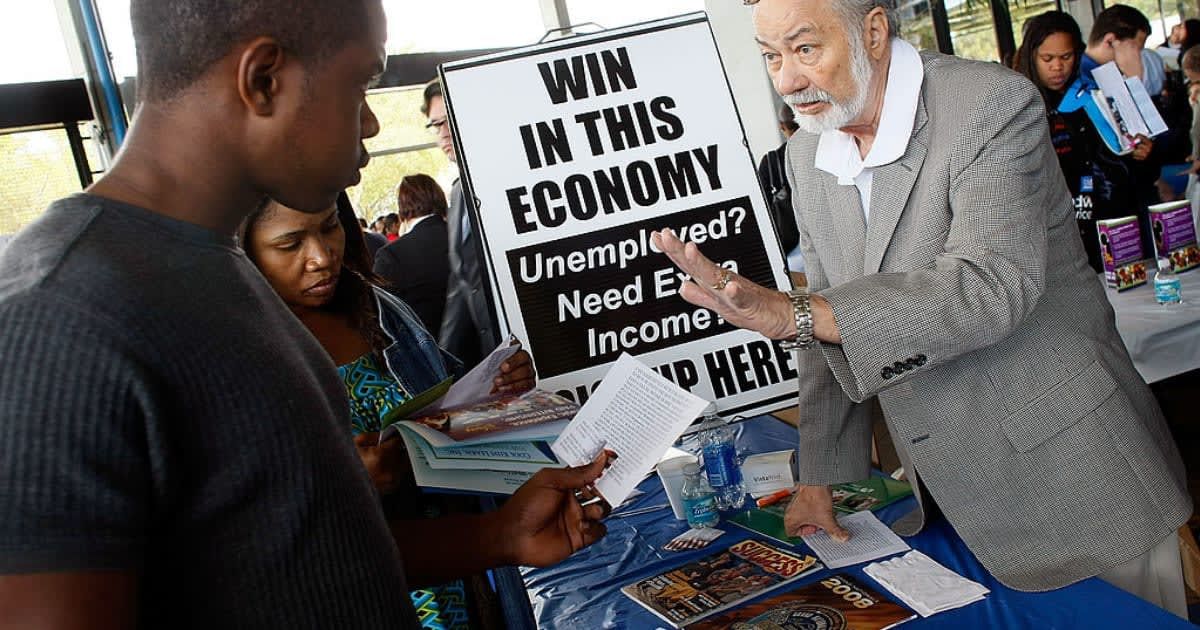
The U.S. economy grew at a record 4.3% rate in the third quarter of 2025, blowing the expectations of economists by miles, despite the uncertainty. The numbers boosted confidence in a positive outlook for 2026, as well, with some expecting the GDP to grow at a 5% rate. While spending continues to drive the economy, on the flipside, the job market is still stuck in a "freeze. According to economists, the American economy is decoupling with a boom amidst rising unemployment.

As per Newsweek, the U.S. economy is ending 2025, looking like two countries at once. While the output soared with 4.3% annual growth rate, the highest in the past two years, the job market is barely crawling, as the monthly job creation averaged at just 51,000. In the whole year, the economy added only 500,000 jobs, marking a significant drop from the1.6 million posted during the same period in 2024. The unemployment rate has also risen to 4.6%, the highest since 2021, according to the Federal Reserve.
For decades, such numbers were almost impossible to achieve. "Growth and labor market outcomes have decoupled. Firms are doing more with fewer workers," KPMG's chief economist Diane Swonk wrote on Tuesday. "Many overshot on staffing during the hiring frenzy and are now using attrition or layoffs to bring staffing levels more in line with demand. Others are offsetting the squeeze on profit margins due to tariffs with layoffs and hiring freezes," she added.
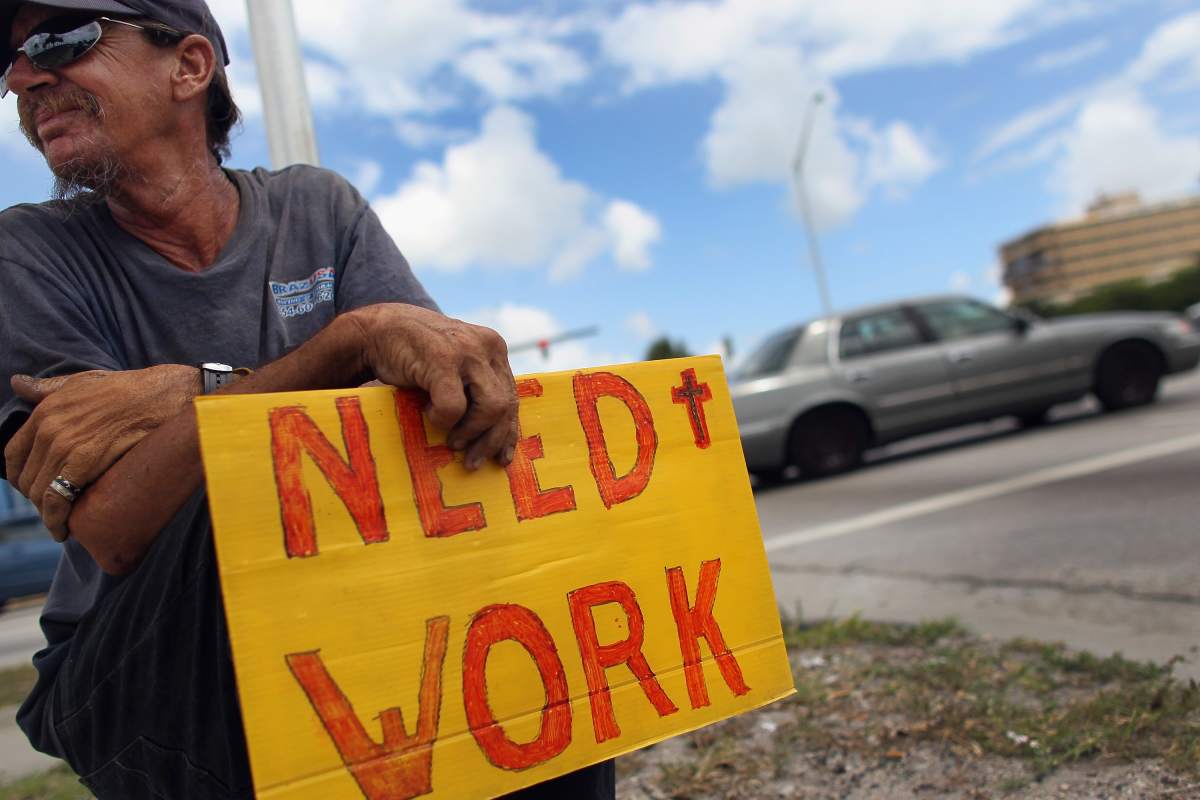
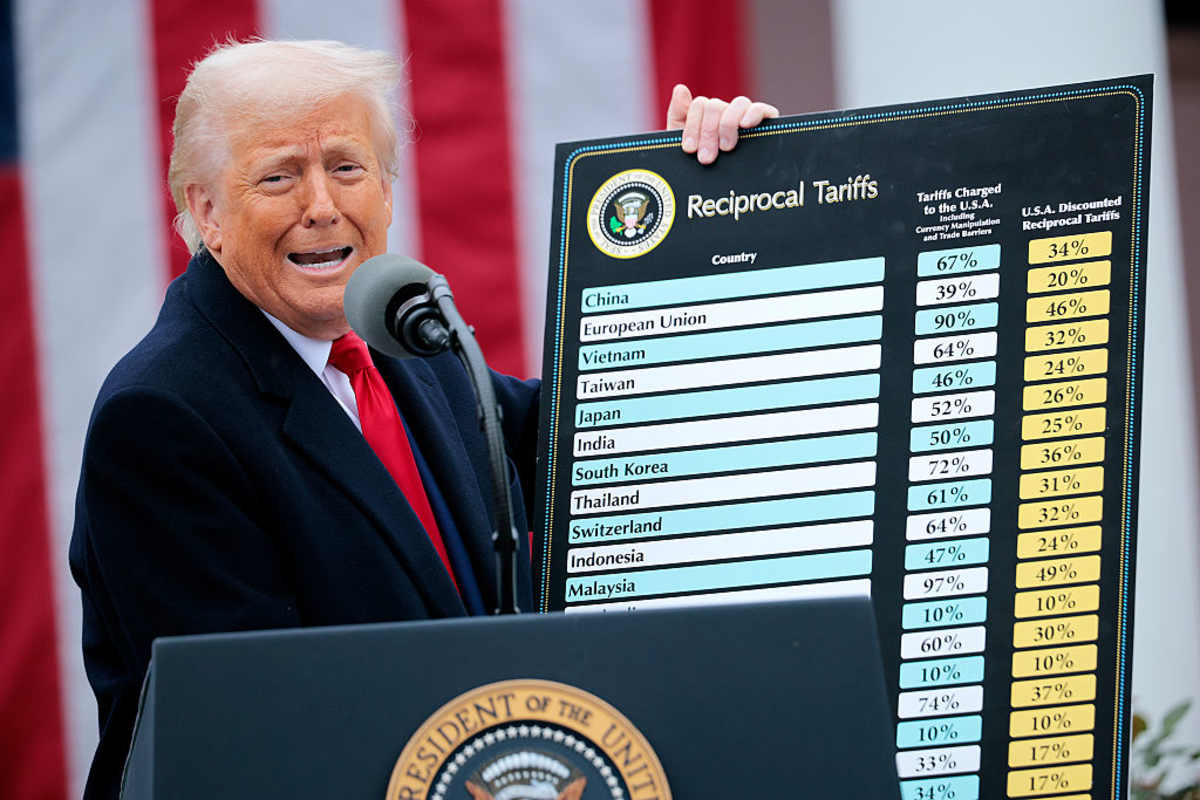
Furthermore, the weaker hiring pace isn’t just a sign of a cooling labor market, but a consequence of a broader structural change in how growth translates to jobs. “The economy can expand without hiring much. We’re building a system that runs faster than it employs. That’s a long-term shift, not a one-year blip,” Lawrence J. White, an economist at New York University’s Stern School of Business, told Newsweek. He explained that the Trump administration's fiscal policy, with large corporate tax cuts and the full expensing of capital investments, has fuelled a capital-intensive growth. Firms can now write off the cost of equipment and software, and invest in technology instead of labor. “The policy framework is designed for investment-led expansion. That means the returns show up in productivity and profits before they show up in hiring," White said.
Thus, according to White, companies are seeing most of the productivity gains, and they are hesitant to hire while doing "more with less." But this cannot necessarily can't be attributed to AI yet. Businesses are just squeezing the most output they can from a fixed or shrinking workforce, and not expanding to meet new demand, White explained.
The data also shows that the K-shaped recovery of the U.S. economy has solidified, with Household consumption growing by 3.5% and affluent households driving half of that. Additionally, investment in automation and AI has also played a role in the bifurcation. “The great decoupling of jobs and growth will take some explaining to the American public. That interplay is going to be the major economic narrative next year," according to Joseph Brusuelas, chief economist at RSM.
More on Market Realist:
Elon Musk makes a bold prediction for 2026 defying concerns about the US economy
GDP growth paints a rosy picture of the economy — but most Americans have a major problem with it
US economy defies expectations with a surge in third quarter — a big win for Trump?