
Many Americans are still paying off last Christmas's credit card debt, worrying report finds
That burden of debt on Americans might go up by the time this year comes to an end.
Dec. 26 2025, Published 6:47 a.m. ET

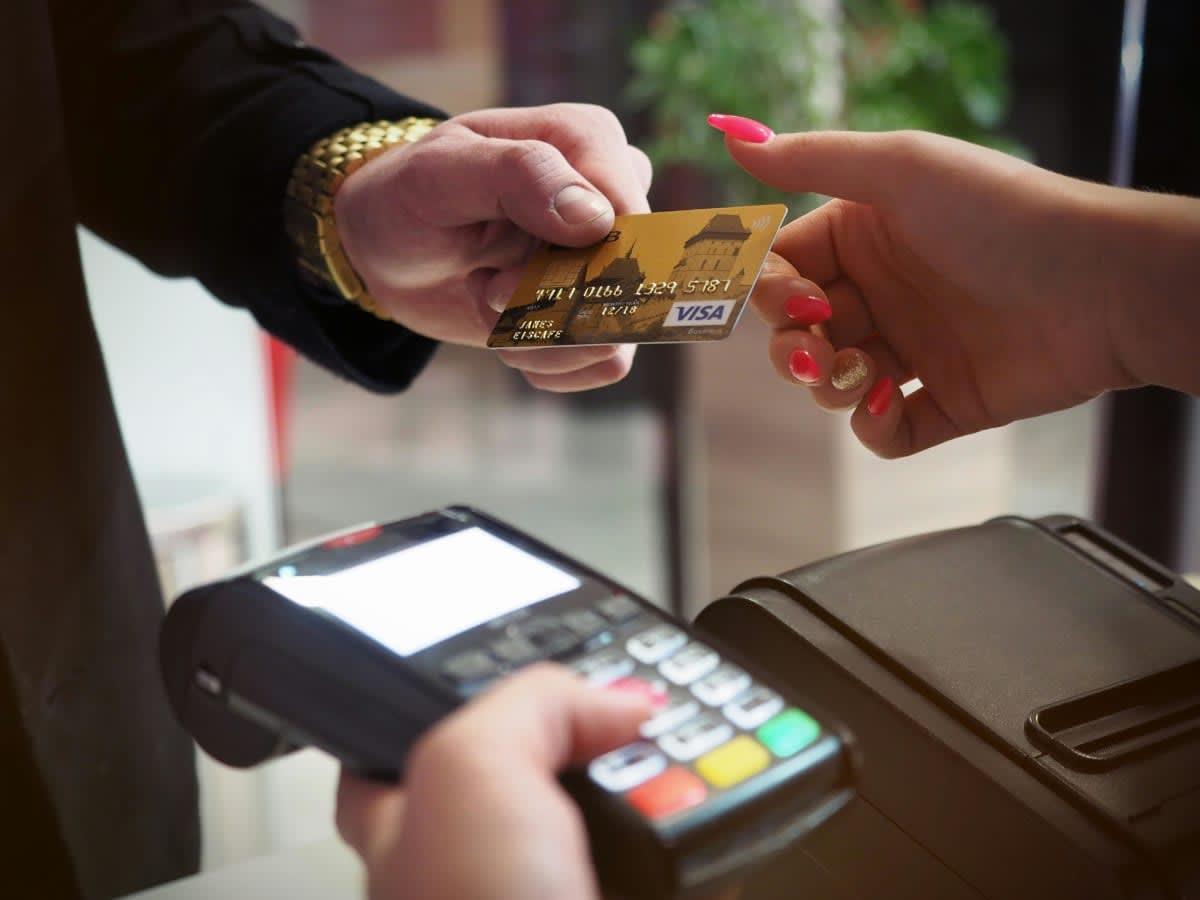
The rising cost of living has forced Americans to live paycheck to paycheck, and instead of savings, they're ending up with a pile of debt. Affordability has been a major concern leading up to Christmas this year, as several citizens have been forced to cut down on non-essential spending. One of the other reasons why this could be the case is that thousands of Americans are still paying off their credit card debts from Christmas last year. A recent report shows that the average credit card debt in an American household stands at more than $11,000 according to a report in The Center Square.
Recently, a government report showed that the GDP increased by 4.3% at an annual rate. This usually indicates a rise in consumer spending, but if recent figures are to be believed, the American public is having to deal with a lot of debt. The amount of debt might even go up after the holiday season comes to an end, with the end of the year.
“What we found is that through the end of the third quarter 2025, we're sitting at a credit card debt of $1.33 trillion, and you're looking at an average credit card debt per household of $11,019,” WalletHub Analyst Chip Lupo said. Lupo also believes that the people who are looking at government spending and using that as an excuse to spend frivolously were not the brightest ones around.
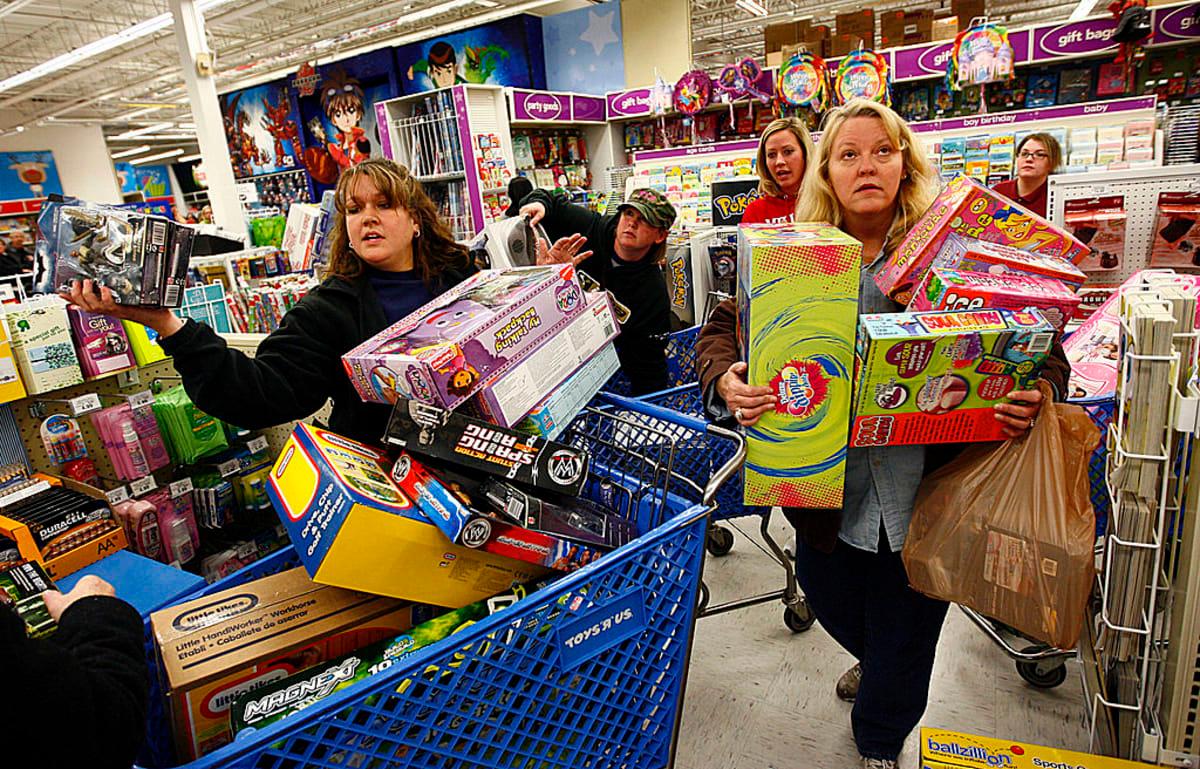
"Anyone that's using government spending as an example on how to manage their own finances is foolish in the first place. And of course, people have that mentality. There are people out there saying, 'Well, the government's not responsible for their finances. Why should I be?'" he asked. This raises questions about Americans depending so much on credit cards during the holiday season.
The answer to that is that inflation is not going to slow down any time soon, and the wages paid to the people are simply not enough to keep up with the rising prices. As a result, the public is forced to make use of other methods of spending to ensure that they are able to live comfortably. As an indicator of the economy, it does not reflect well. High interest rates also keep adding to the money that people owe the banks.

“They normally wouldn't put on credit cards everyday expenses like gas, like groceries in some cases, also utilities," Lupo noted, before explaining, "So, what happens is you carry that balance over to the next month, and it's accruing interest at an average interest rate of about 22 or 23%. Now that's assuming that you have good credit. So, if you have less than good credit, there's a chance that you're paying on an interest rate much higher than that.”
More on Market Realist: