American taxpayers could pocket bigger refunds this season — but there’s a catch

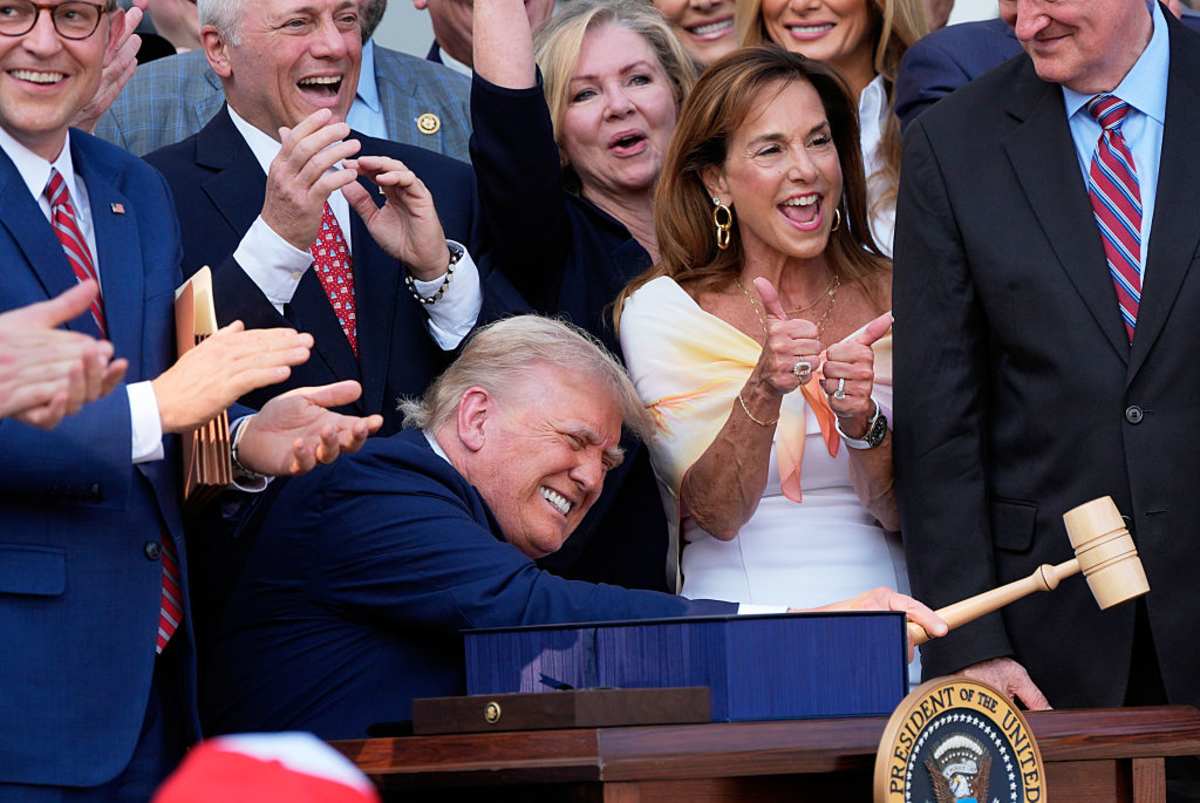
American taxpayers are expected to see hefty returns this tax season, thanks to the Trump Administration's tax concessions under the One Big Beautiful Bill Act (OBBBA). While officials have projected average returns to rise by $1,000, the extra money in consumers' pockets could have some unintended consequences for the economy. Keeping the effects of the COVID-era stimulus checks in mind, experts are sending out a warning over increasing inflationary pressures from the hefty tax refunds.

As per a report by CNBC, OBBBA introduced a larger tax deduction, a new $6,000 tax credit for seniors above 65, no tax on tips, overtime, auto loan interest payments, increased child credit, and more. Meanwhile, the IRS did not update the tax withholding tables. All of these factors pushed the tax refunds up for what's being called "the largest tax refund season of all time.” The IRS recently shared that refunds are up by 11% from the same point last year, currently averaging at $2,290. However, while the bigger refunds are expected to boost consumer spending, the spike in demand could also drive up inflation.
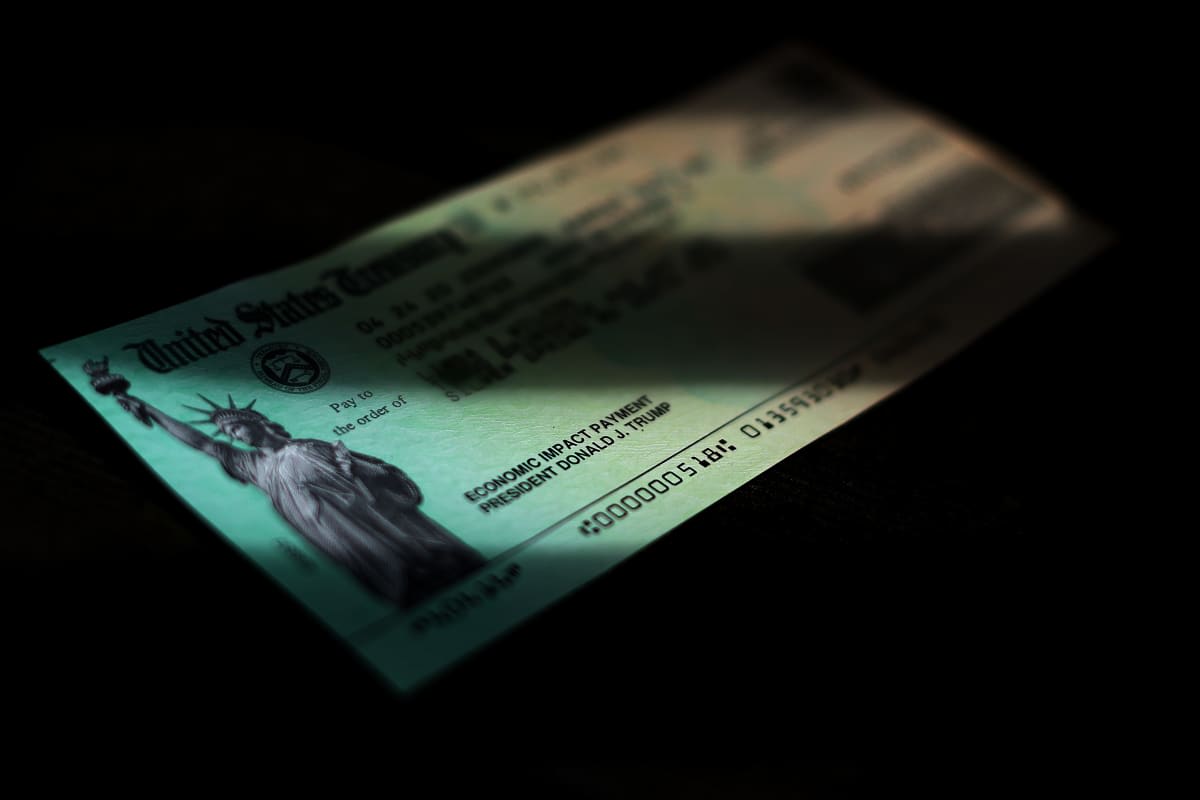
“It could easily be inflationary,” Jonathan Parker, an economist at the Massachusetts Institute of Technology, told CNBC. Parker, who researched consumer spending during the stimulus payment cycles, shared that the checks issued during the pandemic in 2020 and 2021 were "certainly correlated" with higher inflation as the “contributing factor” to the size of the subsequent inflation boom. In June 2022, the consumer price index rose 9.1% from the previous year, marking the highest spike since November 1981. However, former Treasury Secretary Janet Yellen added that the checks may have added to inflation on a lower level as there were "huge supply chain problems" that caused a shortage of key goods.
Thus, the Director of the National Economic Council of the United States, Kevin Hassett, does not appear too worried about the tax refunds causing a spike in inflation. “We’re not really worried about the inflationary effects of that because we have got so much supply coming online again," Hassett told CNBC's 'Squawk on the Street.'
Apart from fears of inflation, another big worry surrounding the bigger tax refunds is the widening gap in the nation's 'K-Shaped' economy. Experts are projecting that the refunds may be disproportionate, with the top earners of the country poised to benefit the most. According to a study conducted by the investment firm Principal Asset Management, the country's top 5% of earners are projected to see an average increase of $3,748 in tax refunds, while the lowest 20% of earners, or those making $33,000 or less, should expect only an $18 increase in their tax refunds this year.
The divide doesn't just reflect the K-shaped nature of the economy, but it also adds to the widening gap where the wealthier Americans are pulling ahead of lower-income workers, driving the economy. "There's always been inequality in the U.S. economy, but it's just gotten worse since the 1980s. And the tax bill just accelerates that," University of San Diego Economics Professor Dr. Alan Gin told CBS8 News.
More on Market Realist:
IRS shared the personal data of thousands of American taxpayers with DHS: Report
Some American taxpayers could face an unwelcome surprise this filing season — key details
Seniors who receive Social Security benefits to get a 'bonus' tax deduction — key details