
A look at the grocery items that have become cheaper after Trump's recent tariff rollback
“Price relief corresponds to farm and commodity cycles, where cheapening wholesale quotes come with surging output and bumper crops,
Dec. 15 2025, Published 3:59 a.m. ET

President Donald Trump has been facing a lot of criticism over the rising prices of groceries owing to his policies. But he recently announced a rollback of tariffs on certain grocery items, notably coffee and beef, sourced mainly from Brazil. “Price relief here corresponds to farm and commodity cycles, where cheapening wholesale quotes come with surging output, bumper crops, and easing feed cost, while processed snacks or branded convenience foods carry layers of labor, packaging, marketing, and tariffs that press shelf prices ever upward,” Peter Miller, a performance nutrition coach with Condition Nutrition, stated. As a result, certain grocery items have seen a significant reduction in prices.
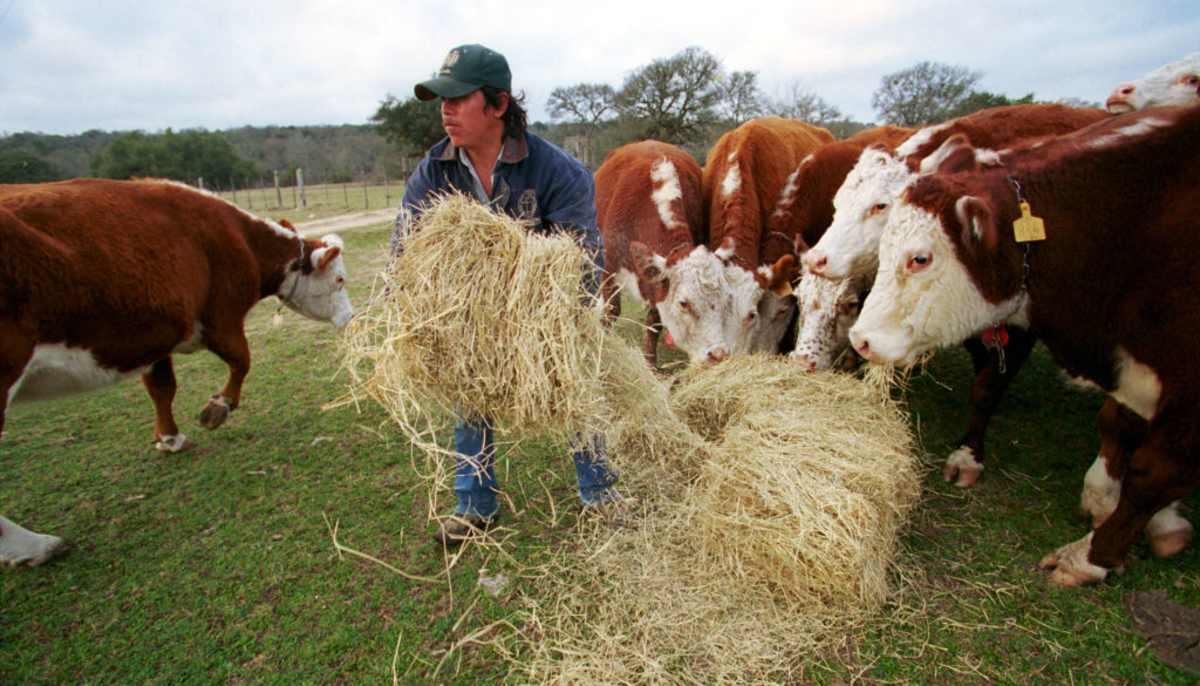
According to recent analysis by the USDA, dairy prices in the U.S. have declined in late 2025 due to strong production outpacing weaker consumer demand, resulting in lower wholesale prices for milk, butter, and cheese. As of early December 2025, retail prices for conventional milk are approximately $2.87 per gallon, while wholesale prices are about $1.61 per pound for butter, $1.60 per pound for cheddar cheese, and $1.15 per pound for nonfat dry milk.
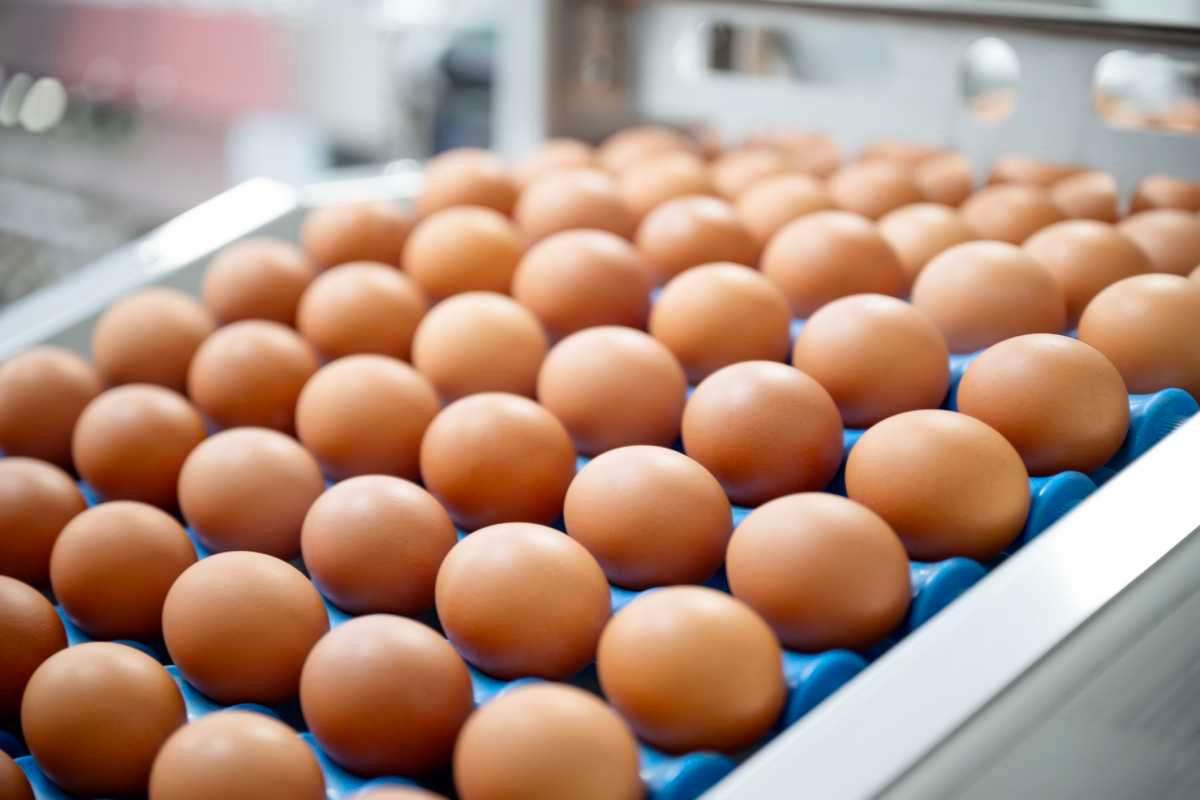
An October report stated that due to huge stocks and seasonal variations in demand, US egg prices have drastically dropped by 86% since March 2025, from roughly $8.20 to $1.15 per dozen. The decline is attributed by economists to both a drop in demand and a recovery in poultry supplies. According to experts, unless there are more supply problems, prices might stay steady throughout the winter.
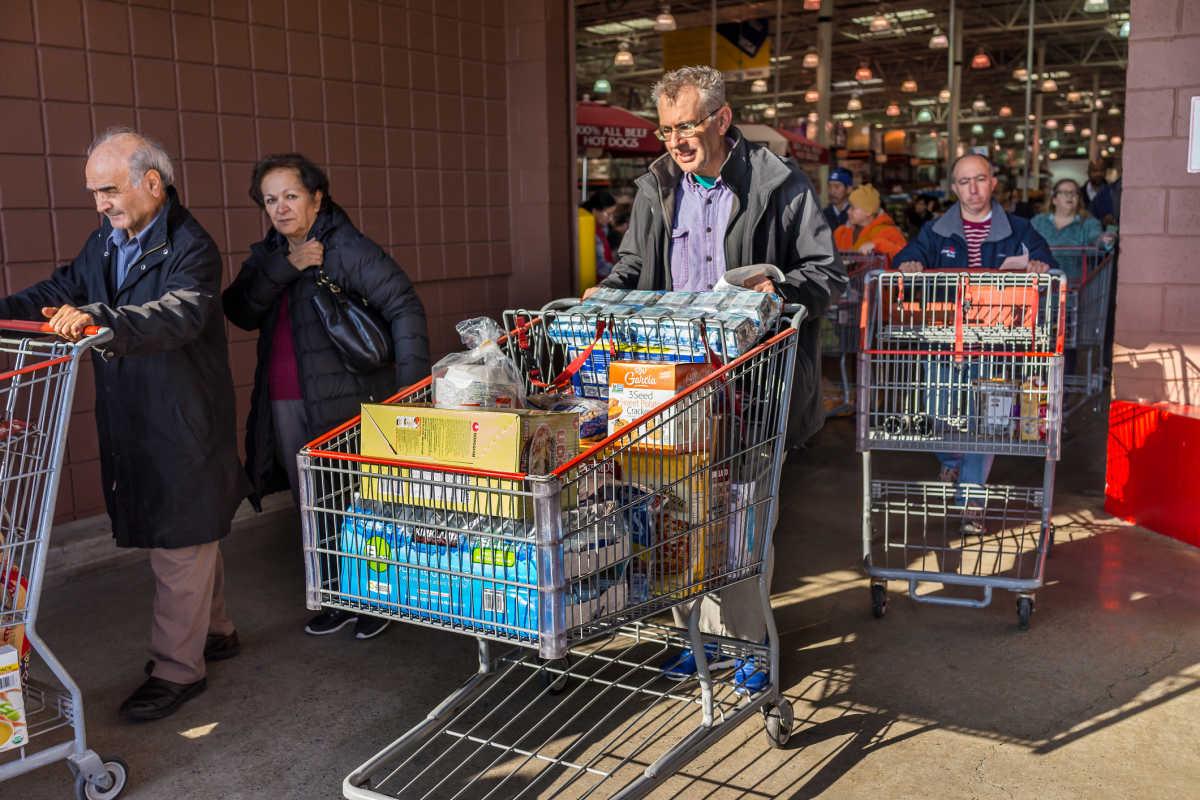
Miller explained that the sudden shift in prices for pantry products is related to “Thousands upon thousands of private-label pantry goods become marked-down by big-box chains in Target, so the period is now one in which shoppers pay less for everyday pasta, canned tomatoes, and store-brand breakfast cereal than they ever did at the beginning.” As per CNN, President Trump has persistently claimed that inflation has significantly reduced, despite data from the Bureau of Labor Statistics indicating a 3% annual inflation rate in September, with rising gas and grocery prices.
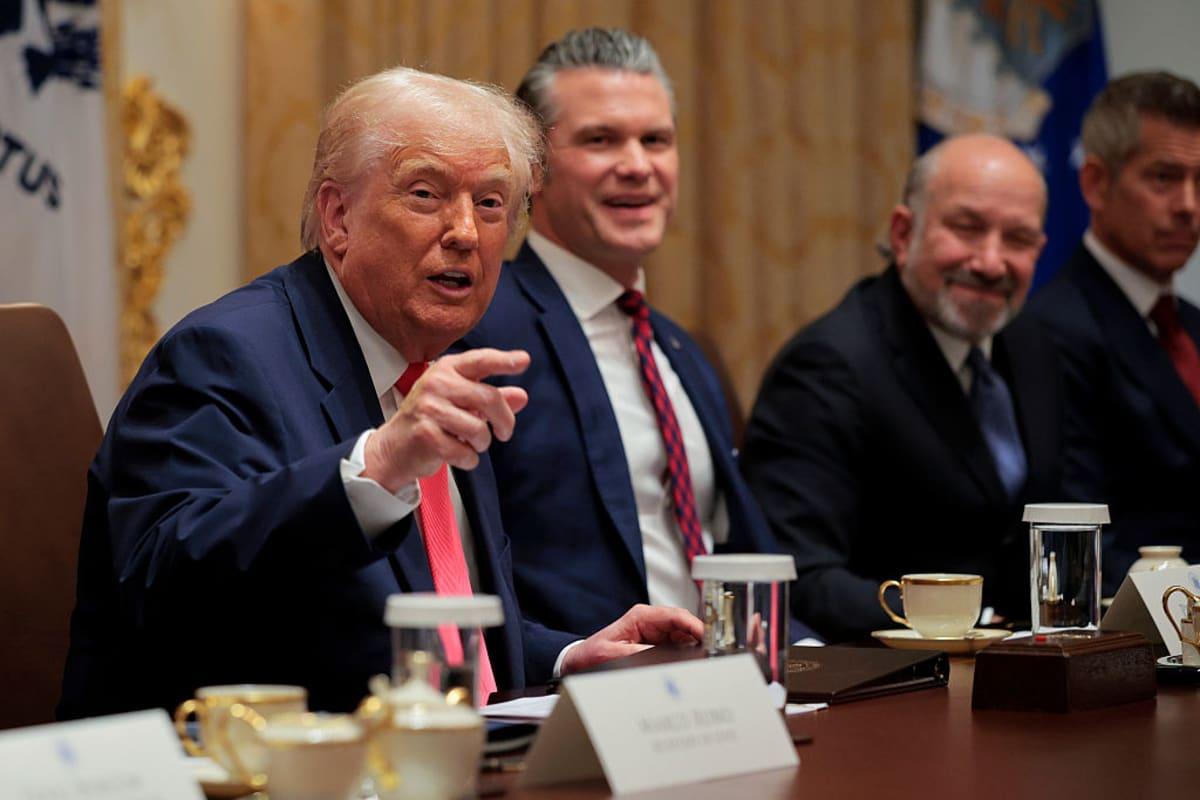
Polls show that a majority of Americans blame Trump for the current inflation, contradicting his narrative. Political analysts note that people's everyday experiences with prices matter more than factual statistics, and internal discussions among Trump's aides suggest a need for greater emphasis on affordability. Despite Trump's claims of lower prices, inflation persists, particularly on goods impacted by tariffs. The consumer price index highlights substantial increases in essential items like beef and coffee.
A CBS News poll revealed that only 32% of Americans viewed the economy positively, a 3% decline from earlier this month. The data indicates that while certain food items, like turkey and coffee, are seeing price increases due to tariffs and supply issues, other items, such as eggs and rice, have decreased in price. Retailers are expected to offer discounts to attract customers amid rising costs. President Trump's policies are cited by 65% of Americans as contributing to lower grocery prices, yet many price increases are also influenced by external factors like drought and supply shortages.
More on Market Realist: