
Concerned About Tipping While Traveling? Here are 7 Countries Where it Isn't Needed
While tipping is deeply ingrained in the culture of some nations, there are several countries where this is neither expected nor encouraged.
Feb. 17 2024, Published 10:00 p.m. ET

How other countries see tipping
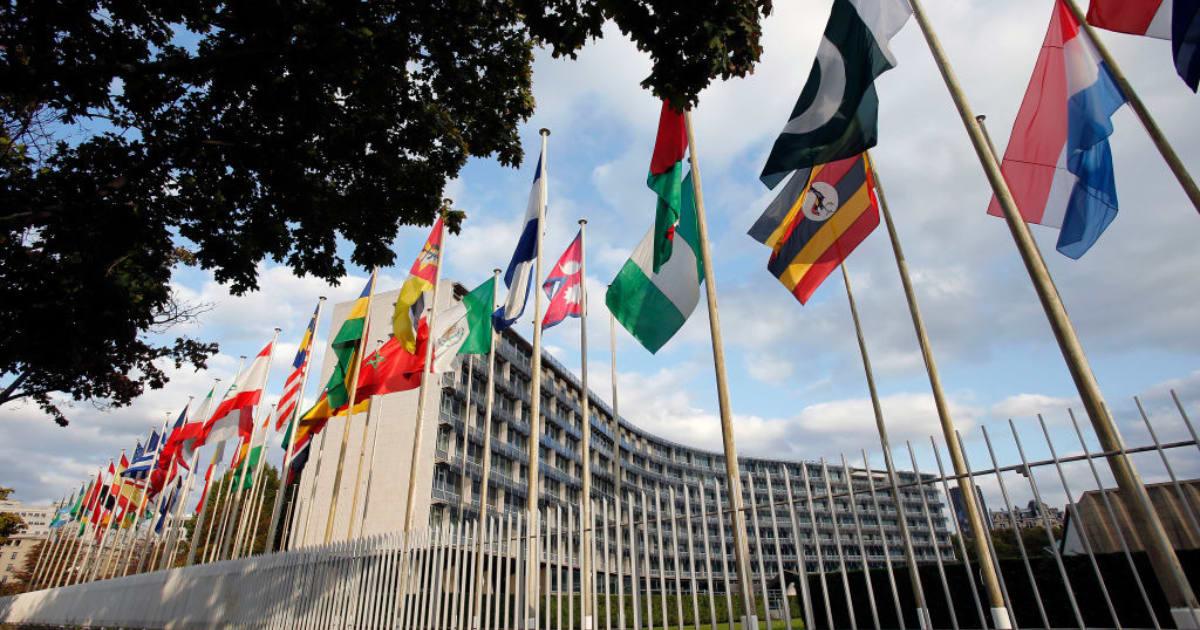
The tipping culture in America has sparked off a lot of debates, as establishments in the UK and other countries have also resisted US-style tipping following displeasure among patrons. The way people tip varies from country to country, and there are places where the concept does not exist to begin with. Understanding the cultural, economic, and legal factors that influence tipping practices in different countries is essential for respectful and responsible travel. Tipping stands out as one of the most debated and misunderstood practices among travelers. While it is deeply ingrained in the culture of some nations, there are several countries where it is neither expected nor encouraged. In these countries, travelers can rest assured that they won't offend anyone by refraining from this practice, as it's simply not part of the local culture.
1. China

In China, tipping has long been discouraged, due to its perceived association with bribery in the culture. Throughout much of the country, tipping is viewed as a personal affront to restaurant servers and hotel staff. Despite this, certain professions like tour guides and bus drivers may expect gratuities.
2. Singapore

In Singapore, tipping is officially discouraged by the government, as it's not part of the island's culture. While not considered offensive, it sparks controversy within service sectors. Singapore's stance on tipping reflects its efficient service culture and societal norms, where quality service is expected without additional gratuity. This approach aligns with the country's emphasis on fair wages and professionalism in service industries.
3. French Polynesia

In French Polynesia, tipping isn't part of the culture, and even exceptional service may not warrant a gratuity, which could be politely refused by staff. Certain restaurants may offer guidance, indicating whether tips are appreciated. This practice reflects the laid-back and egalitarian nature of the local customs, where the emphasis lies more on genuine hospitality rather than monetary rewards.
4. Australia

In Australia, tipping isn't customary despite its vibrant service sector. Major cities typically incorporate service charges into bills, sparing patrons the need for extra gratuities. But tipping isn't discouraged and can be a gesture of gratitude for outstanding service. This cultural norm aligns with Australia's egalitarian ethos, where fair compensation takes precedence over additional income within the service industry.
5. Argentina

In Argentina, a legislation prohibits tipping hotel and restaurant staff, although enforcement varies. Despite the law, tips remain a substantial part of workers’ earnings, particularly in tourist hotspots. The custom reflects cultural norms, with locals often discreetly offering gratuities to express appreciation. While officially forbidden, tipping persists due to its role in supplementing incomes in industries reliant on tourism.
6. Switzerland
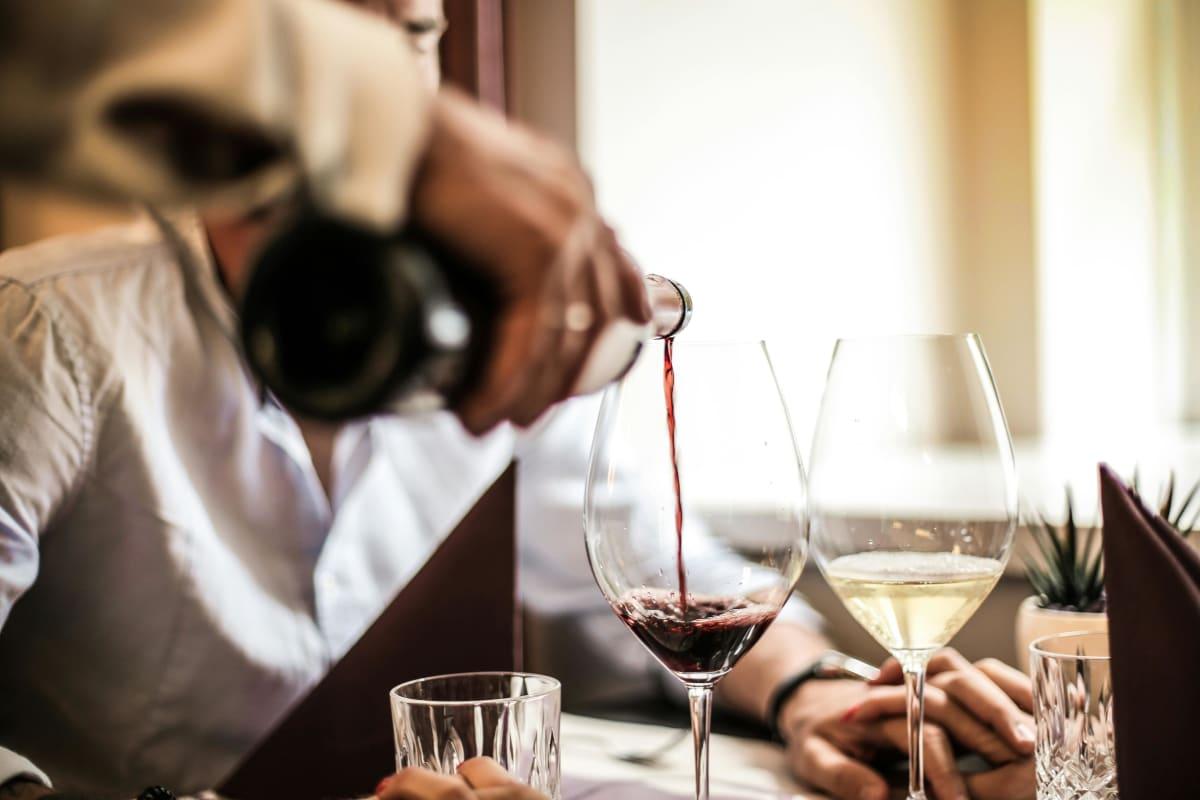
Switzerland, renowned for its robust minimum wage standards, incorporates service charges into prices, rendering tipping unusual yet accepted. However, if service exceeds expectations, a modest gratuity is warmly received.
7. Belgium

In Belgium, a country known for its relatively high wages, tipping isn't obligatory but is warmly welcomed. While it's not customary to leave gratuities, locals appreciate gestures of generosity. This practice reflects Belgium's culture of valuing quality service over obligatory tipping. However, tourists accustomed to tipping may still choose to express their appreciation.
Some things to note about tipping
Understanding the reasons behind these countries' lack of reliance on tipping sheds light on broader socio-economic factors at play. In nations where tipping is not the norm, wages for service industry workers are often higher, and there may be other forms of compensation or benefits provided by employers. Additionally, cultural attitudes towards money and service provision also influence tipping customs.
While tipping may be a customary practice in one's home country, it's important to remember that it's not universally expected or appreciated around the world. Before traveling to a new destination, it's a good idea to research tipping customs and etiquette to avoid unintentionally causing offense. When in doubt, observing locals or asking for guidance from service staff can help travelers navigate the complexities of tipping in a foreign country.