Microsoft's AI tool can get access to your health records and provide tailored medical advice

Artificial intelligence is on a meteoric rise presently, and companies are doing whatever it takes to one-up each other. AI can be used for a number of different things, but seeking health advice has always been something that people prefer from a medical professional instead of a computer program or search engine. All that may change in the near future as Microsoft has come up with an AI tool that can deliver better-tailored results by being able to access one’s medical records and health data.

According to a report in The Wall Street Journal, the big tech company recently unveiled its Copilot Health feature. It is included in the Copilot app and can be used to seek personalized healthcare advice. Of course, for specific advice, the technology would have to have access to one’s medical records, including disease history, test results, medications, doctors’ visit notes, and biometric data, as per the report. All of this data is taken only with the user’s consent.

If a user is not willing to provide this information, they might receive more generic advice. It’s not just your hospital or lab records that the app can access - if permitted to do so, Copilot can also pull data from wearable health tracker devices such as the Apple Watch and Fitbit. The report claims that this service can be especially helpful for those struggling with chronic medical conditions.
There is a lingering question over the privacy and security of one’s medical records. According to Microsoft AI Chief Executive Mustafa Suleyman, the data imported would be encrypted and fire walled from the rest of the app. “It’s something that Microsoft is uniquely placed to do with our scale, with our regulatory experience, with the kind of trust and confidence that people have in our security and the history that we have as a mature, stable player,” Suleyman said.

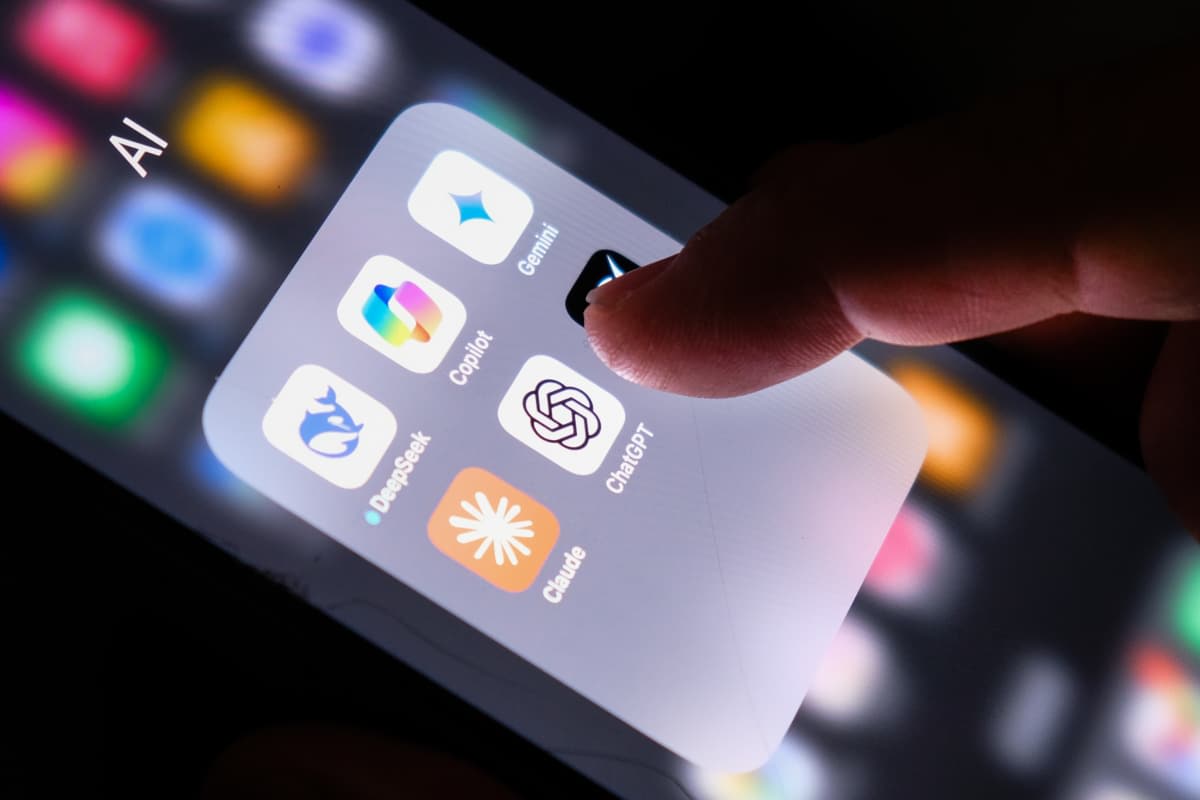
This is Microsoft’s way of competing against other companies with tools similar to Copilot, like OpenAI’s ChatGPT and Google’s Gemini. The process of uploading your health data isn’t too complex. You just need to authenticate your identity through the identification service Clear. Your medical data is then imported by HealthEx, which must follow a nationwide framework for accessing health records known as TEFCA.

Microsoft has also claimed that users could manage and delete their health data at any time, and that conversations about the same are kept separate from the general Copilot chat, using encryption and strict access controls. CEO Suleyman believes that since medical records can be sensitive to a lot of people, the company was taking a “deliberate, slightly slower, more meticulous approach” in advancing the AI in this field.
More on Market Realist
One AI app has taken over the no.1 spot on App Store as users quietly ditch ChatGPT
Oracle to fire 30,000 employees to cut costs — plans to spend billions on AI to replace them
Turns out, an AI-generated fake news has the power to trigger a stock market crash