Trump’s 'One Big Beautiful Bill' could have a major impact on higher education this year

In recent years, students have been increasingly exploring alternatives to traditional 4-year degrees, driven by rising college costs, student loan debt, and new borrowing limits as outlined in President Donald Trump's OBBBA. Enrollment in community colleges has risen while private colleges see declines, indicating a shift towards vocational and shorter-term programs. Experts suggest that economic uncertainty and AI's impact on the job market have reduced entry-level job opportunities for new graduates. According to recent studies, this trend has been dubbed "un-college."

Two major reasons influencing changes in higher education are skyrocketing college expenses and growing student loan debt, as reported by CNBC. This tendency is being aided by a move toward job training programs and new borrowing caps until 2026 under Trump's OBBBA proposal. In contrast to a 1.4% growth at public four-year colleges and a 1.6% fall at private nonprofit institutions, recent data shows a 3% gain in community college enrollment. “Overall enrollment is up slightly, but the real story is the shift between sectors,” Matthew Holsapple, senior director of research at the National Student Clearinghouse Research Center, stated. “Community colleges and public universities are gaining ground, while private colleges are down — a clear departure from the broad-based growth of recent years.”
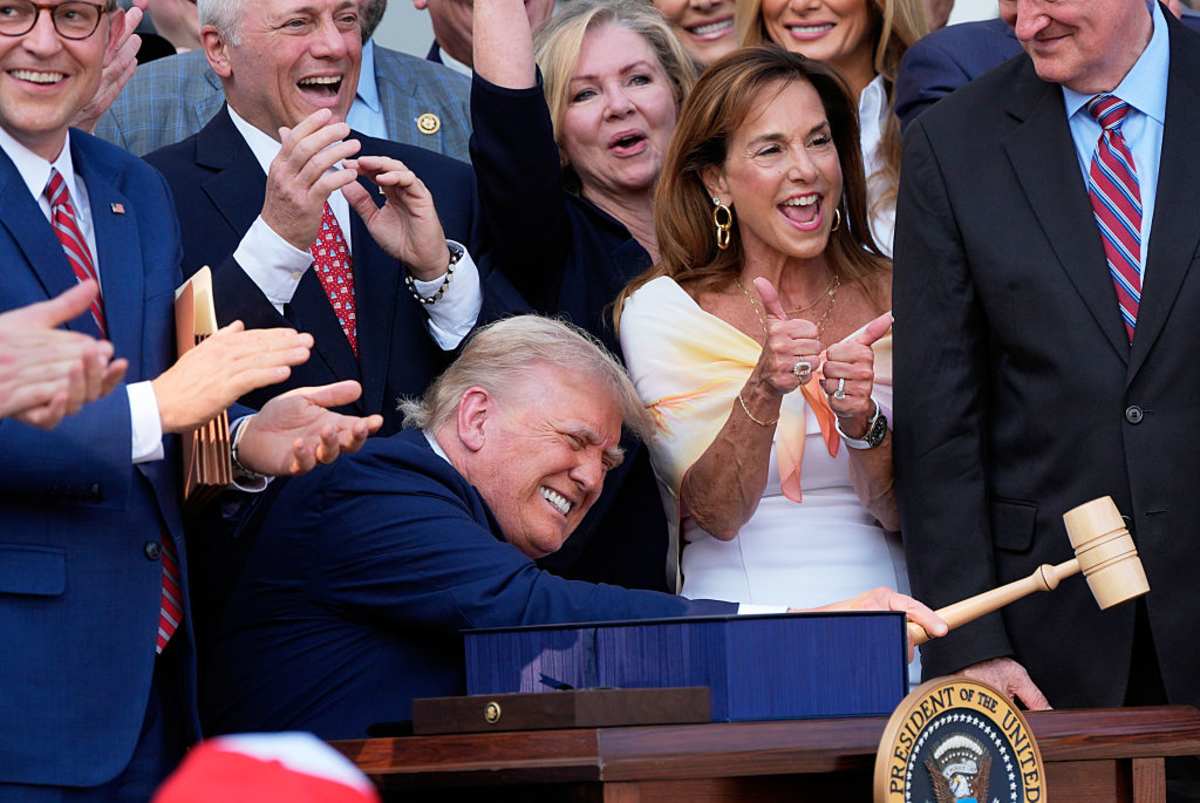
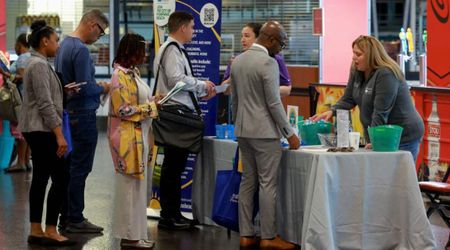
As the hiring process dynamically shifts, the National Association of Colleges and Employers estimated that hiring for the Class of 2026 will rise by 1.6% over 2025. According to the Job Outlook 2026 study, candidates' skills are more valued than their academic credentials. At the same time, the lack of qualified tradespeople is creating more job openings and higher wages in industries like construction, manufacturing, and nursing, where certain trade jobs pay over $100,000 annually on average. The same CNBC report also mentions that an important change in college funding has been brought about by Trump’s new higher education law, which introduces a $257,500 lifetime cap on federal student loans.

According to Tricia Scarlata of J.P. Morgan Asset Management, this cap is anticipated to encourage families to choose more affordable options, such as enrolling in two-year colleges before transferring or choosing public universities in their state rather than private ones “Now more than ever, weighing the return on investment … is essential, not optional,” Derek Brainard, financial director of education nonprofit AccessLex Institute stated. In an effort to boost interest in 'un-college,' OBBBA has introduced Pell Grants with a shorter duration beginning in mid-2026.
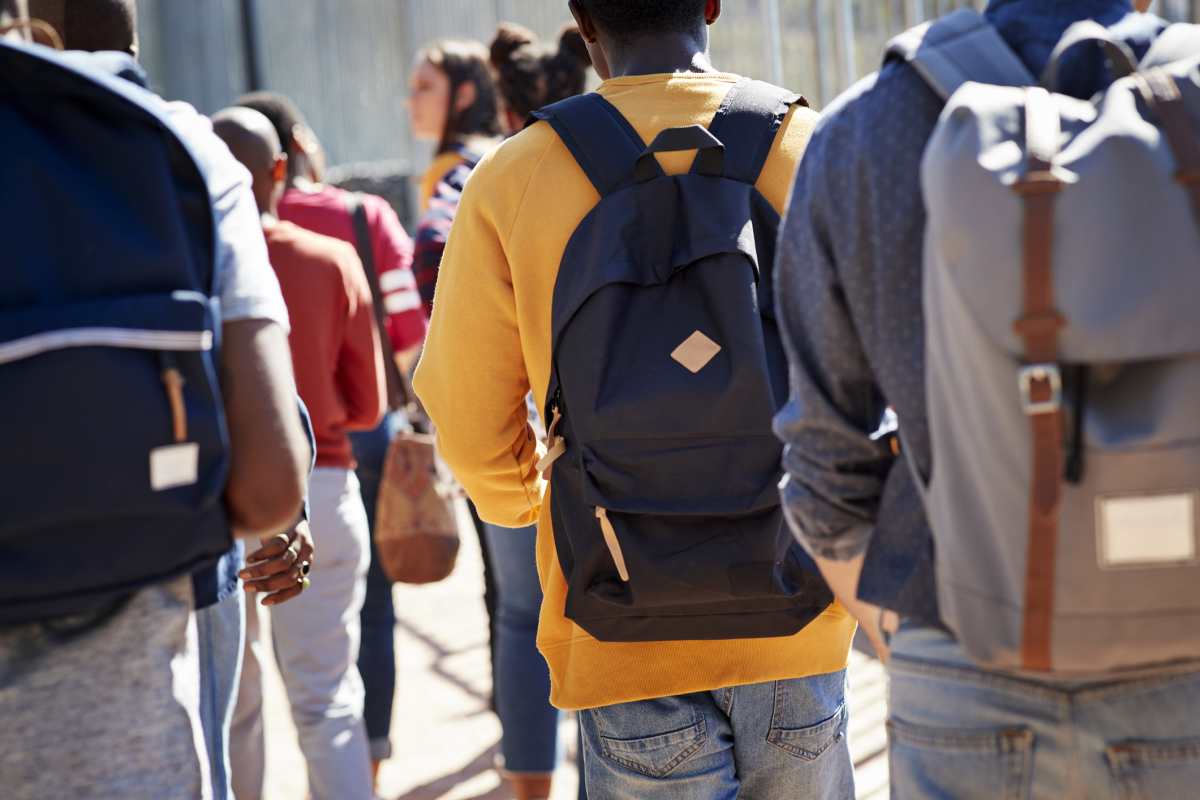
Community college students enrolled in job training programs may be eligible for these need-based grants, which will total up to $7,395 for the 2025–2026 school year. According to higher education analyst Mark Kantrowitz, Workforce Pell Grants will increase demand in short programs that are connected to jobs. In his advice to students, Brainard stressed the value of thorough financial planning, which includes looking into scholarships and being aware of program expenses and borrowing caps before committing.

Meanwhile, the latest figures from various sources indicate the total amount of student loan debt in the United States has risen from $1.81 to $1.83 trillion, of which more than 90% are listed as federal loans. OBBBA implemented new borrowing caps for parent and graduate loans. The maximum amount for Parent PLUS loans is $20,000 per year and $65,000 for each dependent student. Professional students can borrow up to $50,000 per year and $200,000 overall, whereas graduate students are limited to $20,500 per year and $100,000 total for the majority of programs.

These limits will be prorated for students who attend classes part-time. For three years or until the program is over, current borrowers are permitted to keep borrowing up to their previous limitations. Over a ten-year period, the modifications are anticipated to reduce graduate loan payments by $44 billion, affecting 26% of current graduate borrowers who surpass new limitations each year.
More on Market Realist
Federal Student Loan Vs Private Student Loan: Which Is Better?
Department of Education's deadline slip-up turns into student debt relief for thousands
Joe Biden Forgives $39 Billion In Student Loan Debt For 800,000 Borrowers