Despite Trump’s $12 billion aid package, American farmers are still terrified of going bust in 2026

President Trump announced a $12 billion farm aid package primarily aimed at crop farmers, with funds allocated through one-time payments and reserved for specialty farmers. This assistance is positioned as a response to economic challenges exacerbated by tariffs, which have impacted farmers' ability to sell crops internationally. However, US farmers, especially grain producers, have expressed concern over the fact that the relief plan won't be enough to make up for the financial harm tariffs have inflicted.
The Guardian reported that the USDA's Farmer Bridge Assistance Program has allocated $11 billion to support row-crop farmers, many of whom are facing bankruptcy as a result of trade disruptions. Soybean producers, who formerly relied on China for 54% of US soybean exports last year, have been adversely hit by the trade war with China. “A program that provides roughly $50 an acre will not save the thousands of family farms that will go bankrupt before the end of the year," Dan Wright, president of the Arkansas Farm Bureau, said. The financial hardship row-crop farmers have endured over the past three years as a result of rising input costs and declining crop prices has not been addressed by the Trump administration. According to the American Farm Bureau, US crop farmers lost $34.6 billion this year alone, not including government assistance and crop insurance. In 2025, neither row-crop nor specialized producers made money, and forecasts for 2026 seem dire.
In the midst of the Trump administration's efforts to create tariff-funded trade and farm safety nets, US Agriculture Secretary Brooke Rollins outlined a package of temporary assistance. Trump's tariff conflict with China has hurt farmers, who received $23 billion in subsidies during his first term and are expected to get $40 billion in 2025. Tractor maker John Deere also projects a pre-tax tariff effect of almost $1.2 billion in fiscal 2026, up from almost $600 million in 2025. Farmers are expected to seek loan assistance to buy fertilizer, seeds, and other supplies needed for spring planting. It is anticipated that many would carry over debt from operating loans from the previous year.
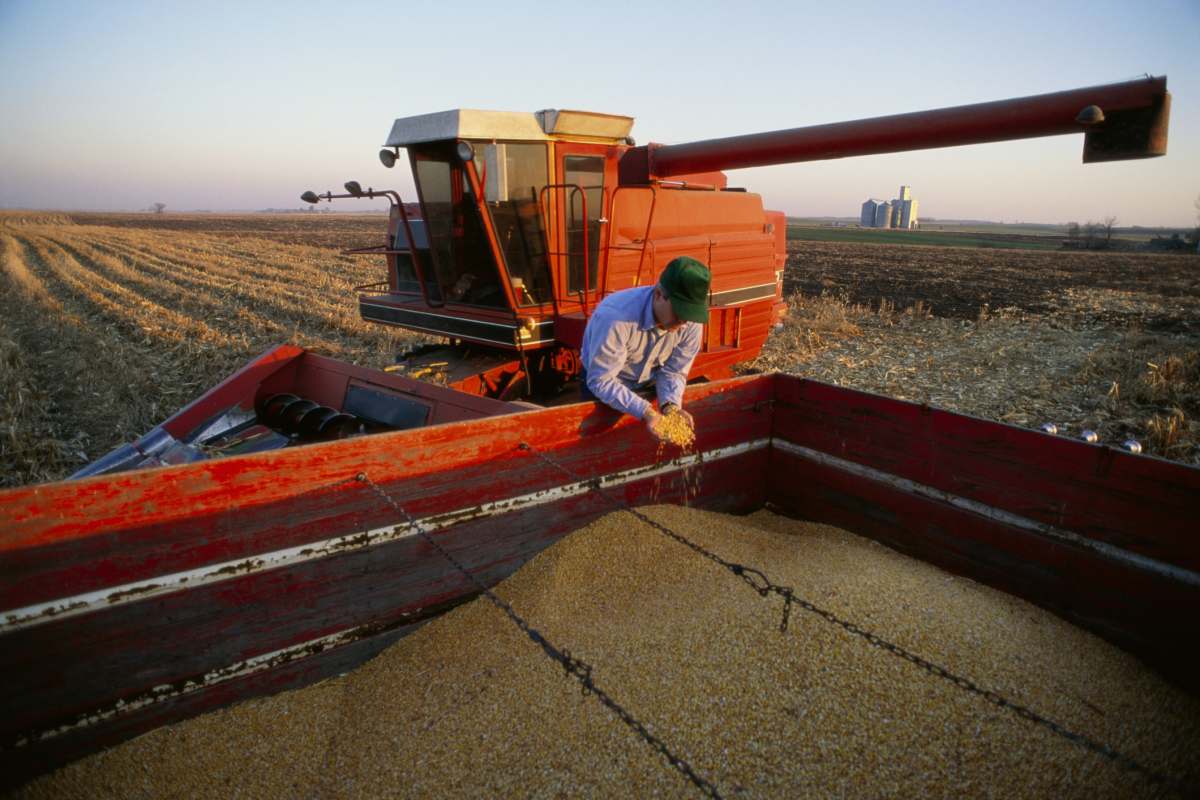
 Farm (Image Source: Getty Images | Photo by The Good Brigade)
The Kansas City Federal Reserve Bank claims that crop producers' access to agricultural credit has deteriorated, resulting in decreased liquidity and increased financing demands because of lower farm revenue. While Arlan Suderman, chief commodities economist at StoneX, notes that farmers may be pressured by banks to plant soybeans due to lower input costs, he maintains that a true recovery depends on external factors. He suggests that if China returns to US agricultural exports and the EPA increases domestic biofuel mandates, “then I think that we could start healing the ag economy and move [in] a positive direction toward recovery”, he said.
More on Market Realist:
Honest farmer on Shark Tank explains why he’ll never hike prices of his items — gets $150,000 deal
Here's why a Farmer Turned Bridal Studio Owner is on Her Way to Become a Millionaire
Trump’s tariffs come under fire as state leaders claim they're headed toward an economic crisis