
Trump's rollback of Biden-era policies can make cars cheaper — but there's still one major issue
Experts aren't sure if the plan will reduce car prices as the administration has envisioned.
Dec. 9 2025, Updated 8:17 a.m. ET

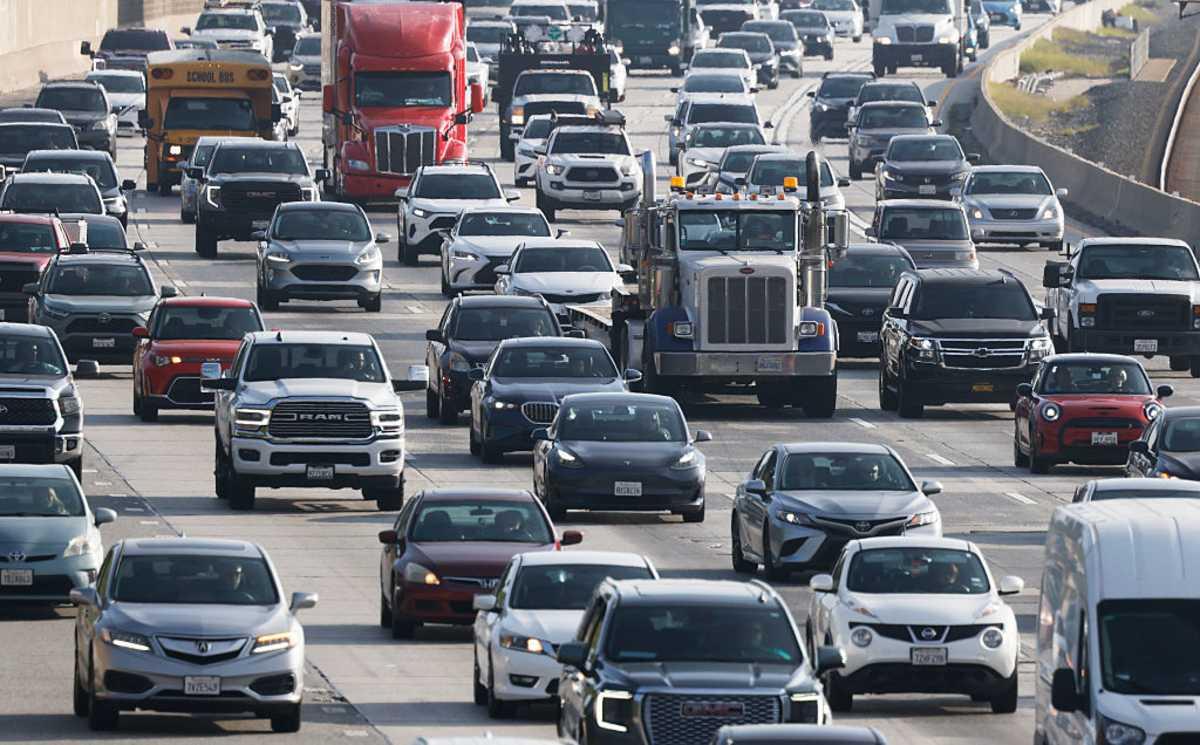
President Donald Trump is moving forward with his anti-green agenda, and this involves a rollback of the strict Biden-era vehicle fuel efficiency standards. It is purported that this policy change would save automakers billions and lower car prices for consumers. However, according to the administration's own projections and experts who analysed the details, the policy may reduce only upfront prices. Still, the increased gas bills will eat up the savings anyway, as consumers will shell out more cash at gas stations because fewer restrictions will result in reduced fuel efficiency for vehicles.
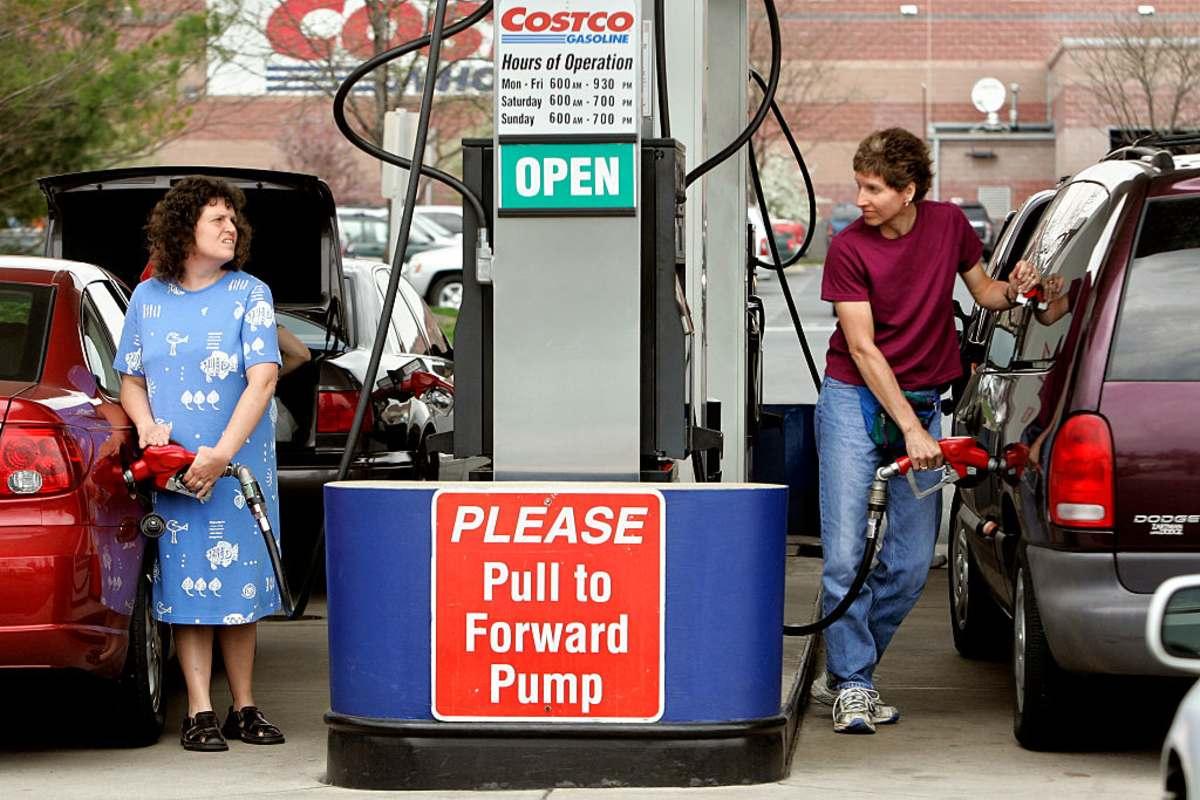
Last week, the National Highway Traffic Safety Administration (NHTSA) put forward a plan to reduce future fleetwide fuel-economy targets from an average of 50.4 miles per gallon to 34.5 miles per gallon. The previous standards, formally known as Corporate Average Fuel Economy, or CAFE, were set by the Biden administration to lower emissions and boost the development of EVs and fuel-efficient vehicles. However, the Trump administration argued that the strict rules were the reason why vehicles are too expensive, and that cutting them would drive down costs, while making driving safe for Americans, AP News reported.
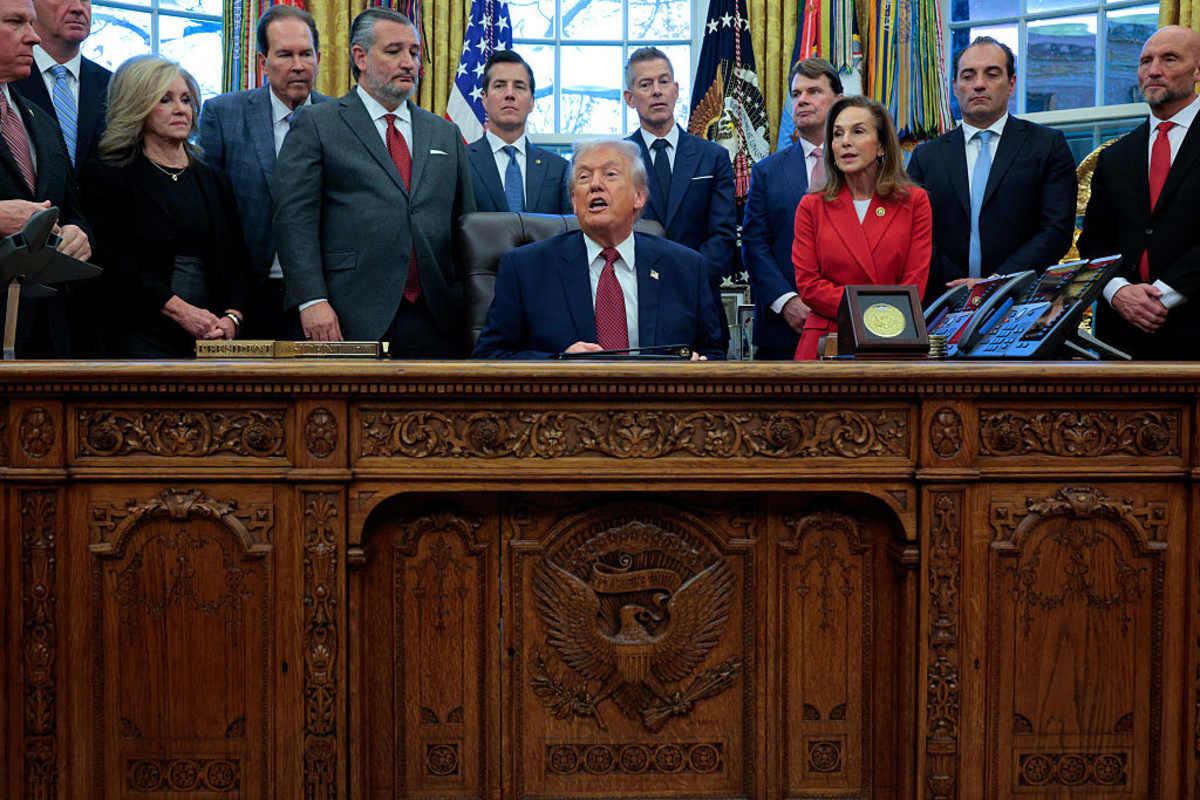
The NSTSA's economic analysis suggested that the rollback would save automakers roughly $35 billion through 2031, which would in turn bring down upfront vehicle costs by $930, as per Reuters. The reasoning is that manufacturers will spend less on advanced efficiency technologies to meet the standards and increase long-term service revenue. The National Auto Dealers Association praised the move, calling it a win for "consumer choice" and affordability. However, experts argue that the savings will fade away quickly due to the price rise triggered by the rollback.
According to NHTSA's own analysis, the reduced standards will raise the fuel consumption by about 100 billion gallons through 2050, and cost Americans up to $185 billion.
"The Department of Transportation is now estimating larger upfront savings on technology costs, but they are also estimating even larger losses in fuel savings," Jason Schwartz, legal director at New York University's Institute for Policy Integrity, told Reuters. He further estimated that the upfront savings will evaporate faster than expected in the face of more money spent at gas pumps.
He further explained that car buyers with long-term financing may not feel the short-term benefit either, as their savings will be spread out over time, while they cope with higher gas bills. "From the very first day of driving, it will cost consumers more to operate their less-efficient cars: more for gas, more for repairs, more time wasted pumping gas," Schwartz said.
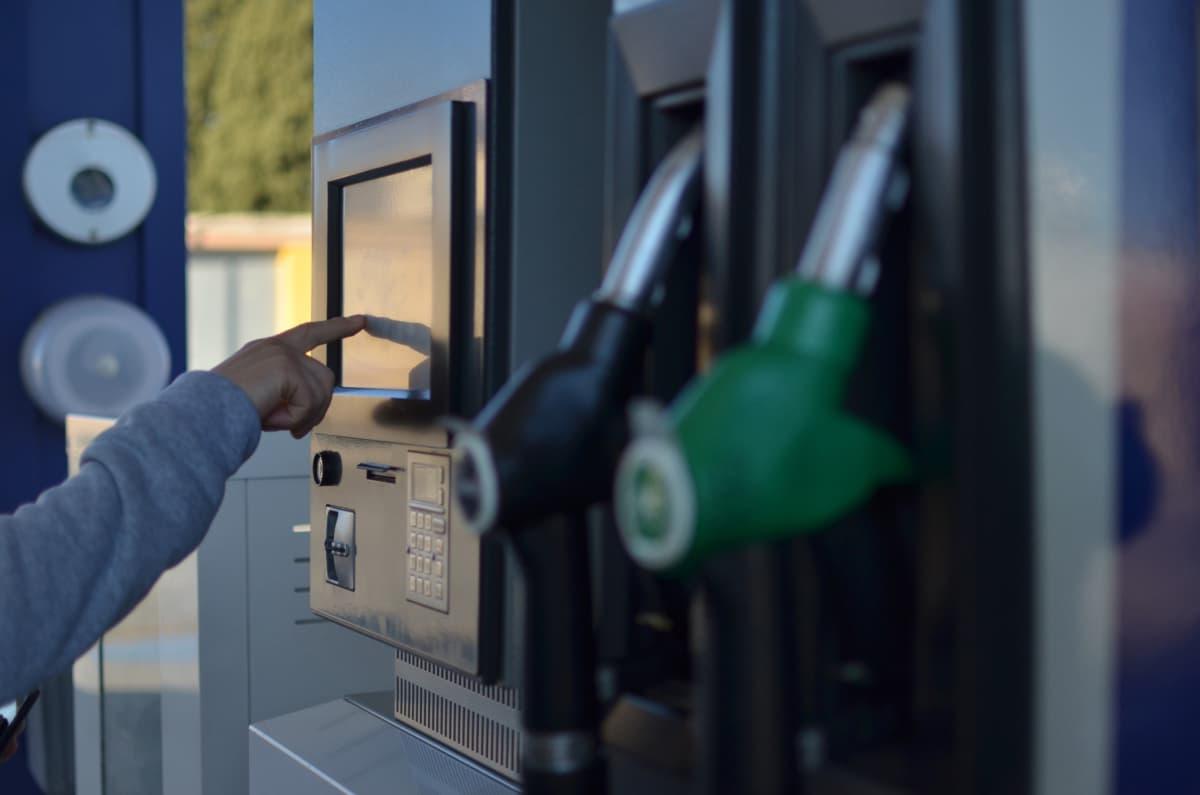
Furthermore, it isn't guaranteed that the car prices will immediately come down with the rollback going into effect. According to Politico, automakers have their production plans set years in advance, and there are other factors like tariffs, supply chain issues, demand for bigger cars, and more that may keep the prices elevated.
More on Market Realist: