
ECONOMY & WORK
MONEY 101
NEWS
PERSONAL FINANCE
NET WORTH
About Us Contact Us Privacy Policy Terms of Use DMCA Opt-out of personalized ads
© Copyright 2023 Market Realist. Market Realist is a registered trademark. All Rights Reserved. People may receive compensation for some links to products and services on this website. Offers may be subject to change without notice.
MARKETREALIST.COM / ECONOMY & WORK

Warren Buffett's Plan for Ensuring Decent Living for Full-Time Workers Without Burdening Employers

Buffett's proposals for ensuring a livable wage have become increasingly relevant today.
PUBLISHED MAR 15, 2024
Cover Image Source: Warren Buffett | Getty Images | Photo by Paul Morigi

Warren Buffett, one of the world's most renowned investors, has long been an influential voice in discussions about economic policy and income inequality. His insights, shared in a 2016 interview with CNN, continue to resonate, particularly in today's context of heightened concerns over wealth distribution and the minimum wage. His proposals for ensuring a decent living for full-time workers without placing undue financial strain on employers offer a pragmatic and nuanced approach to addressing economic disparities.
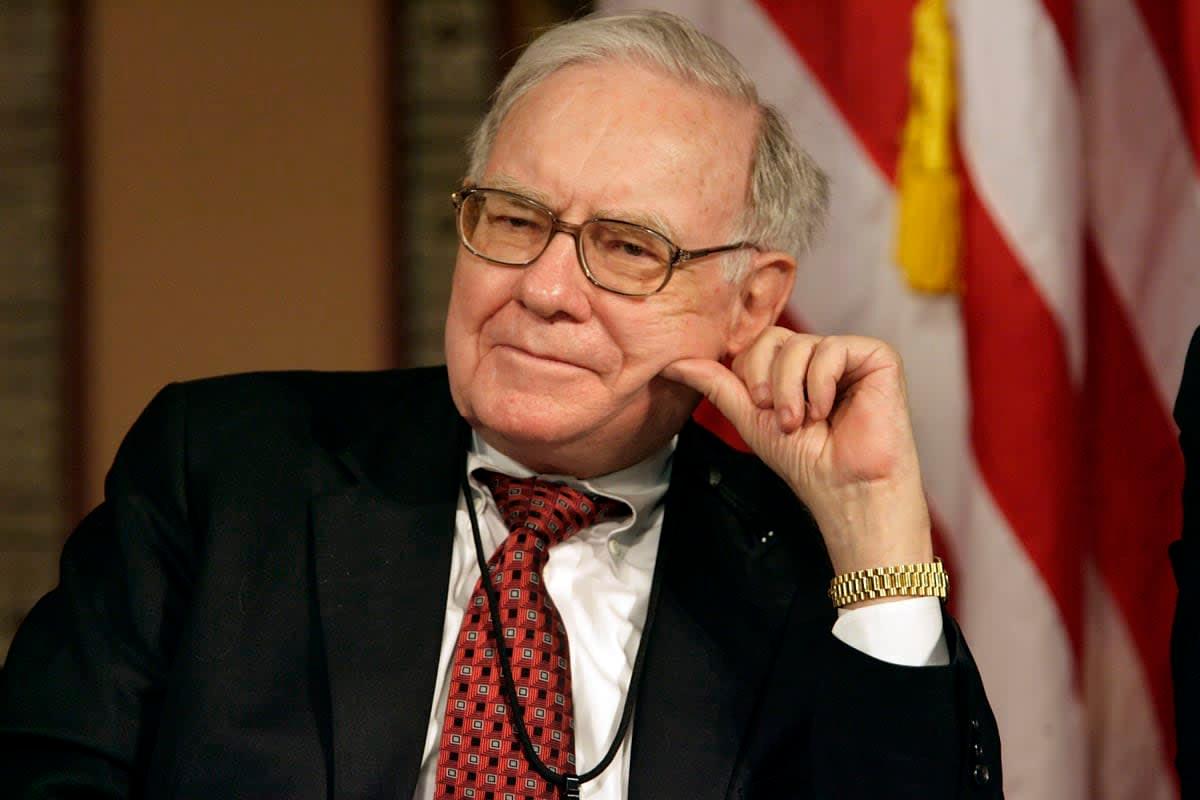
Warren Buffett participates in a panel discussion | Getty Images | Photo by Chip Somodevilla
Image Source: Warren Buffett participates in a panel discussion | Getty Images | Photo by Chip Somodevilla

Buffett's observations show the stark divide within the American economy. "We’re in an economy where specialized talents bring incredible sums and where if you’re a little bit where you don’t fit well into the market system you are left behind," he said.

He emphasizes the importance of acknowledging this disparity and implementing targeted measures to alleviate it. Central to his proposal is the expansion of the Earned Income Tax Credit (EITC), a government supplement designed to support low-income workers.

Buffett sees the EITC as a vital tool for economic adjustment, capable of providing a safety net for those left behind by the market system.
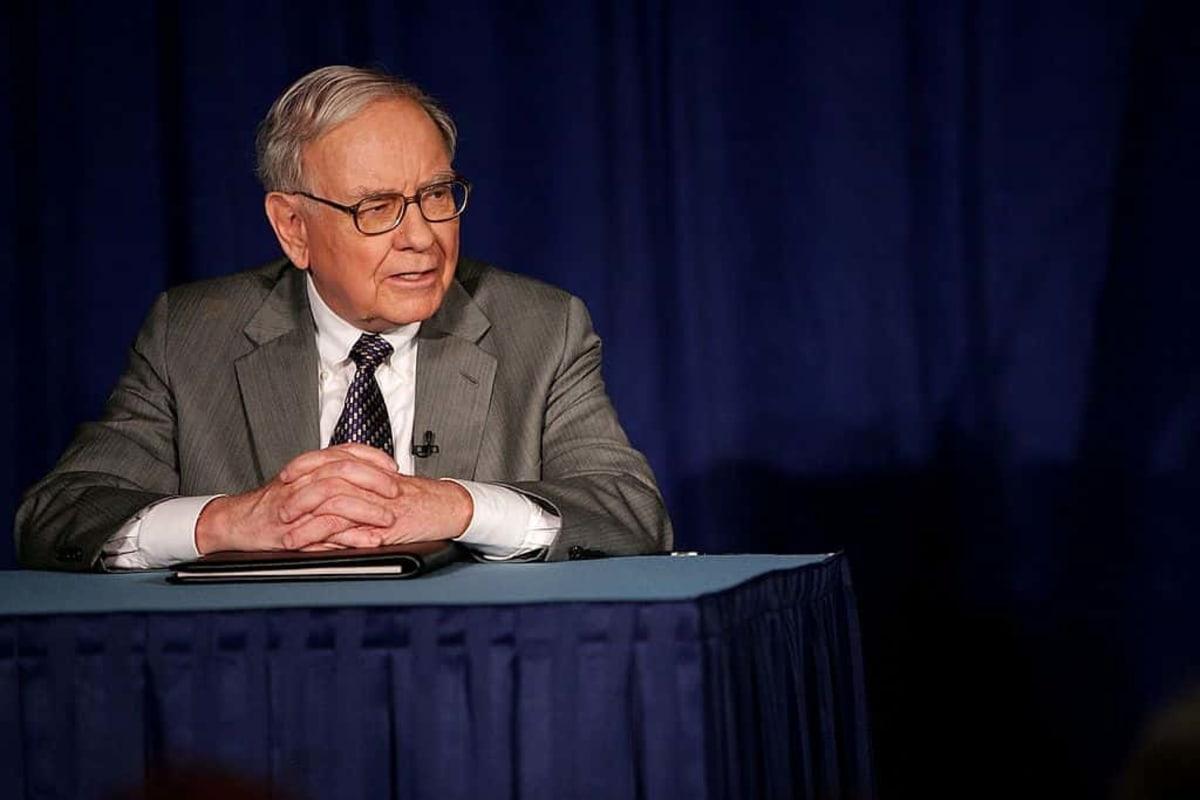
Getty Images | Photo by Spencer Platt
Image Source: Warren Buffet | Getty Images | Photo by Spencer Platt

One of the key distinctions in Buffett's approach is his skepticism toward mandated wage increases, such as raising the minimum wage. Instead, he advocates for a minimum income achieved through a combination of employer wages and government assistance like the EITC.

"We have to make sure that in a super-rich country, anybody who’s willing to work 40 hours a week has a decent living," he said. 

His rationale stems from concerns that artificially raising wages could lead to reduced employment, particularly for workers lacking specialized skills. By supplementing wages with government support, Buffett argues, individuals can still achieve a decent standard of living without jeopardizing their employability.
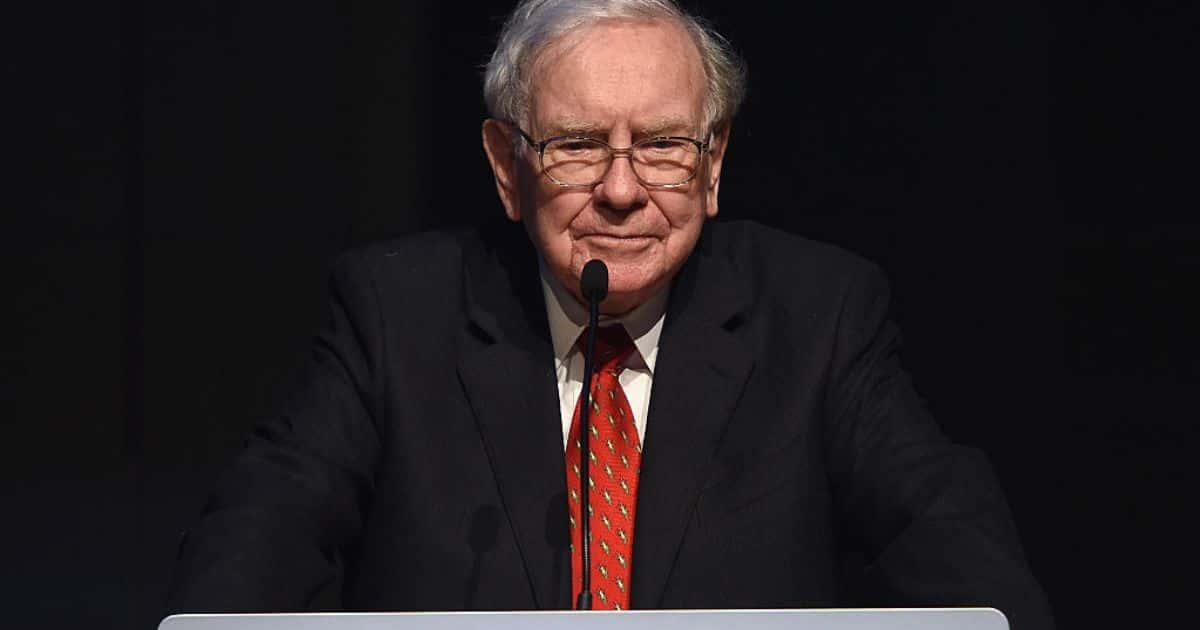
Getty Images | Photo by Dimitrios Kambouris
Image Source: Warren Buffet | Getty Images | Photo by Dimitrios Kambouris

Critically, Buffett's stance underscores a preference for government intervention over direct interference with market dynamics.

While acknowledging the role of businesses in driving economic growth, he warns against policies that could disrupt market equilibrium and hinder job creation. His approach seeks to strike a balance between capitalism's efficiency in generating wealth and the need for a fairer distribution of its benefits.

At the heart of his argument lies a call for targeted reforms rather than a wholesale overhaul of the economic system. He acknowledges capitalism's capacity for wealth creation but insists on measures to ensure that its rewards are more equitably shared.

By focusing on mechanisms like the EITC, he offers a pragmatic solution that addresses income inequality without undermining market efficiency.
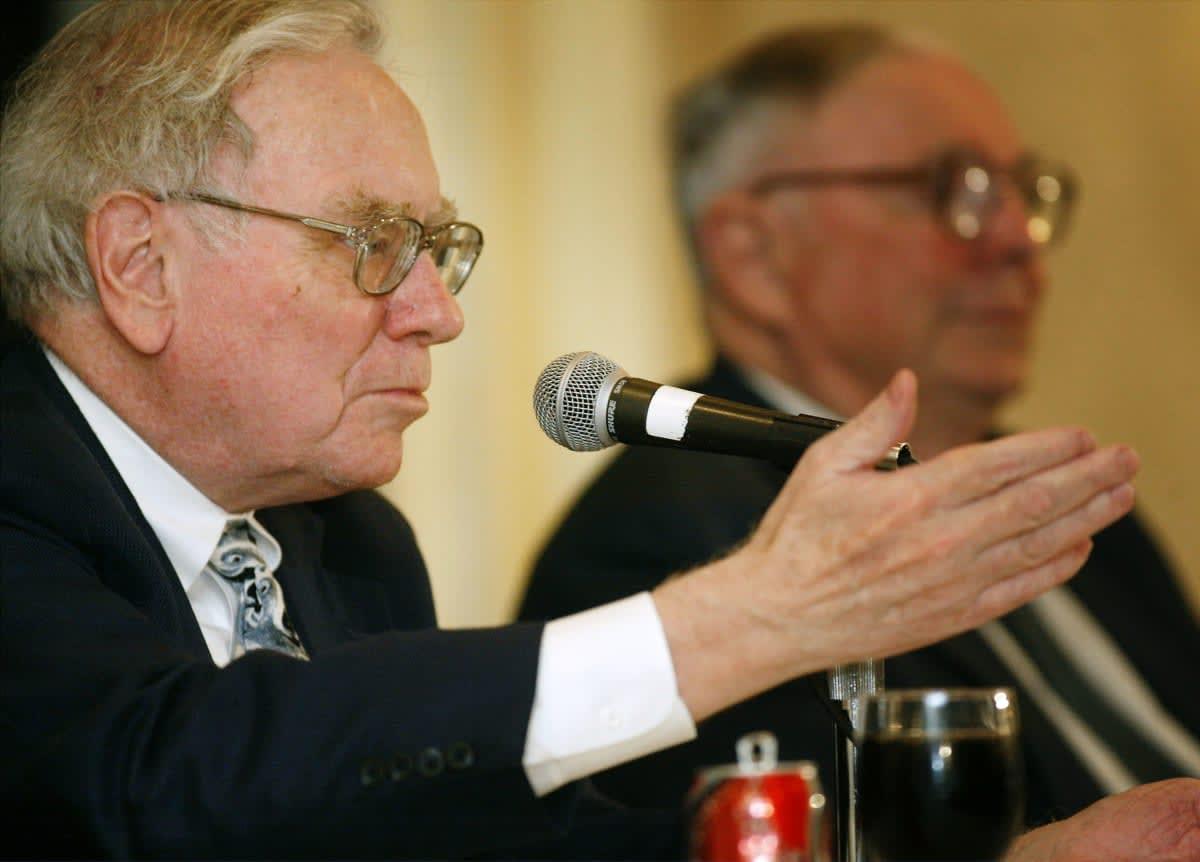
Charlie Munger | Getty Images
Image Source: Warren Buffet | Photo by Charlie Munger | Getty Images

As discussions on economic policy continue, Buffett's insights from 2016 remain relevant and thought-provoking. His emphasis on the EITC as a means of supporting low-income workers and his caution against indiscriminate wage mandates provide valuable guidance for policymakers grappling with the complexities of income inequality.

MORE ON MARKET REALIST
Many believe that the cost of a college degree is a debt they'd want to bear for years to come.
15 hours ago
Tim Wu, a Columbia Law School professor, says companies are trying to find power over people.
15 hours ago
These young Americans are often condemned for their trading habits, but there is logic to it.
16 hours ago
This adds another chapter to the seemingly endless product recalls this year has seen so far.
18 hours ago
The new format added an element of unpredictability, which might not have been present earlier.
19 hours ago
There was no official announcement or statement by the company about the move.
3 days ago
He also cautioned that investors are ill-prepared for the challenges that lie ahead as the AI cycle enters a "more dangerous phase."
3 days ago
The price point of these passes may come as a surprise to some as prices of necessities are rising.
3 days ago
The contestant did his best but was not able to get the correct answer in his ten seconds.
3 days ago
He tore the President apart in a video on social media, making his disapproval known.
3 days ago
The faulty products could lead to serious harm and may even result in death in the worst case.
3 days ago
The report paints a picture of how the future of work may look like.
4 days ago
Some of the largest Fortune 500 companies across sectors have announced job cuts this year.
4 days ago
The rise in AI stocks has been triggered by remarks made by Fed officials indicating a greater chance of a rate decrease next month, he warned.
4 days ago
The Iceberg Index suggests AI could have a $1.2 trillion impact in wage value.
4 days ago
The experts addressed that after 11 months in office, Trump is seen as accountable for the economy and inflation rates.
5 days ago
According to Wright, the growth in property prices will be "flat" by year's end, with a continuing slowdown already apparent.
5 days ago
The matter of healthcare has become a part of the wider affordability issue Americans face today.
6 days ago
This was perhaps one of the rarest instances in the show's long and storied history.
6 days ago
While share prices are down, there are a lot of things that one needs to consider before investing
6 days ago