
Visa and Mastercard to Lower Merchant Fees After Reaching $30 Billion Settlement
The settlement is set to bring down the swipe fees merchants usually pay when customers make purchases using their Visa Mastercard.
March 27 2024, Published 7:11 a.m. ET

Visa and Mastercard, along with several other banks, have opted to resolve a longstanding antitrust case that has spanned decades. According to Reuters, the credit card giants have agreed to limit the swipe fees to approximately $30 billion over five years. This settlement is set to lower the swipe fees typically borne by merchants whenever customers use their Visa or Mastercard for purchases.
Following a 19-year-long legal battle since the lawsuit's initiation in 2005, both companies have chosen to settle while maintaining their stance of denying any wrongdoing. "By negotiating directly with merchants, we have reached a settlement with meaningful concessions that address true pain points small businesses have identified," said Kim Lawrence, the President of Visa, North America.
The agreement has not yet been finalized and is pending approval from the US District Court for the Eastern District of New York. Even if approved, the case remains subject to potential appeals, potentially leading to a prolonged legal dispute.

Merchants have long been troubled by swipe fees, which typically amount to 2% of the total transaction value, rising to as high as 4% for certain premium cards. However, experts are expressing their concerns.
"The fact remains that these fees are an unfair business practice that harms merchants and consumers and benefits banks," Stephanie Martz, Chief Administrative Officer at NRF, a trade group that represents retailers, told CNN. Furthermore, Visa and Mastercard have also committed to reducing the posted swipe fee of every merchant by a minimum of 0.04 percentage points for three years.
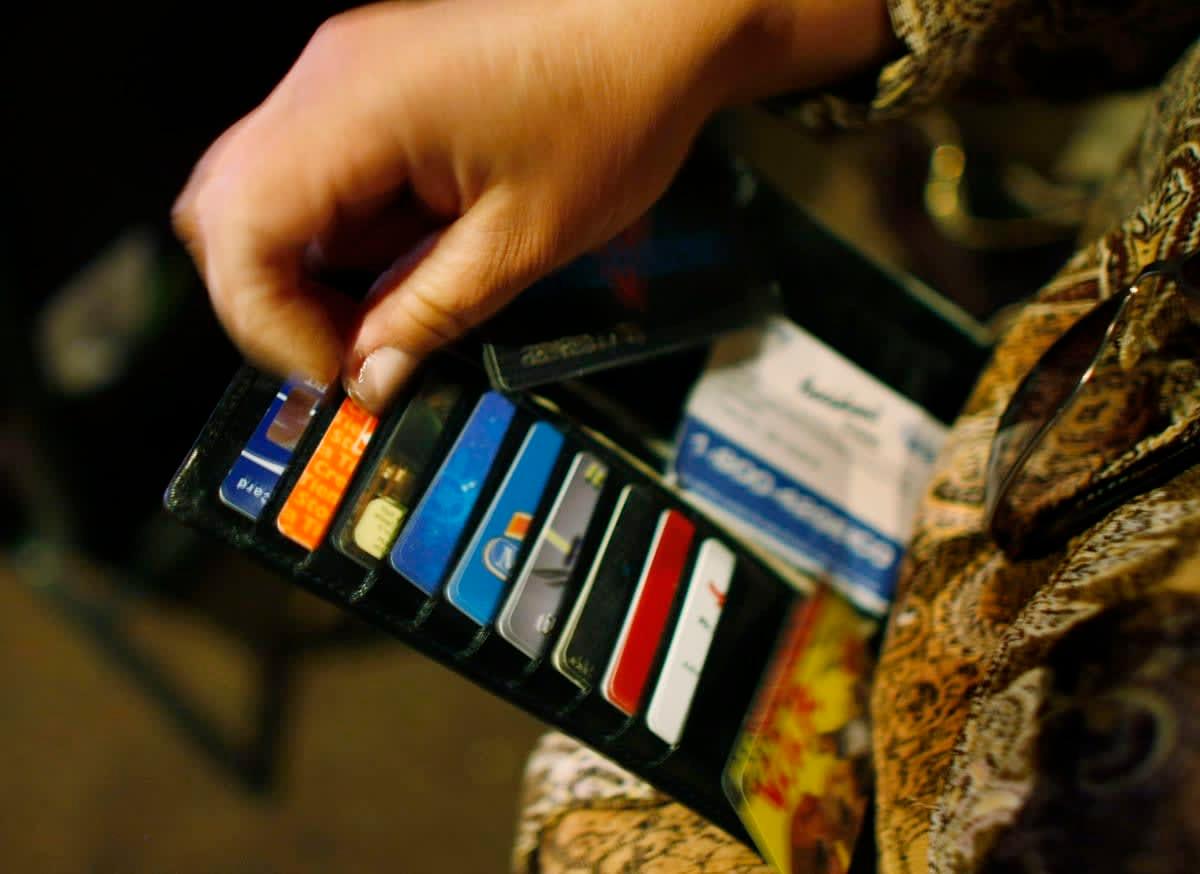
"This settlement achieves our goal of eliminating anticompetitive restraints and providing immediate and meaningful savings to all U.S. merchants, small and large," Robert Eisler, co-lead counsel for the plaintiffs, said in a public statement.
Yet, uncertainty looms over whether consumers will reap financial benefits. The settlement grants authority to merchants, enabling them to implement surcharges based on the type of Visa or Mastercard card utilized by the consumer.
"The settlement does nothing to bring competitive market forces to swipe fees or change the behavior of a cartel that centrally fixes rates and bars competition," said Christopher Jones, a member of the coalition’s executive committee.
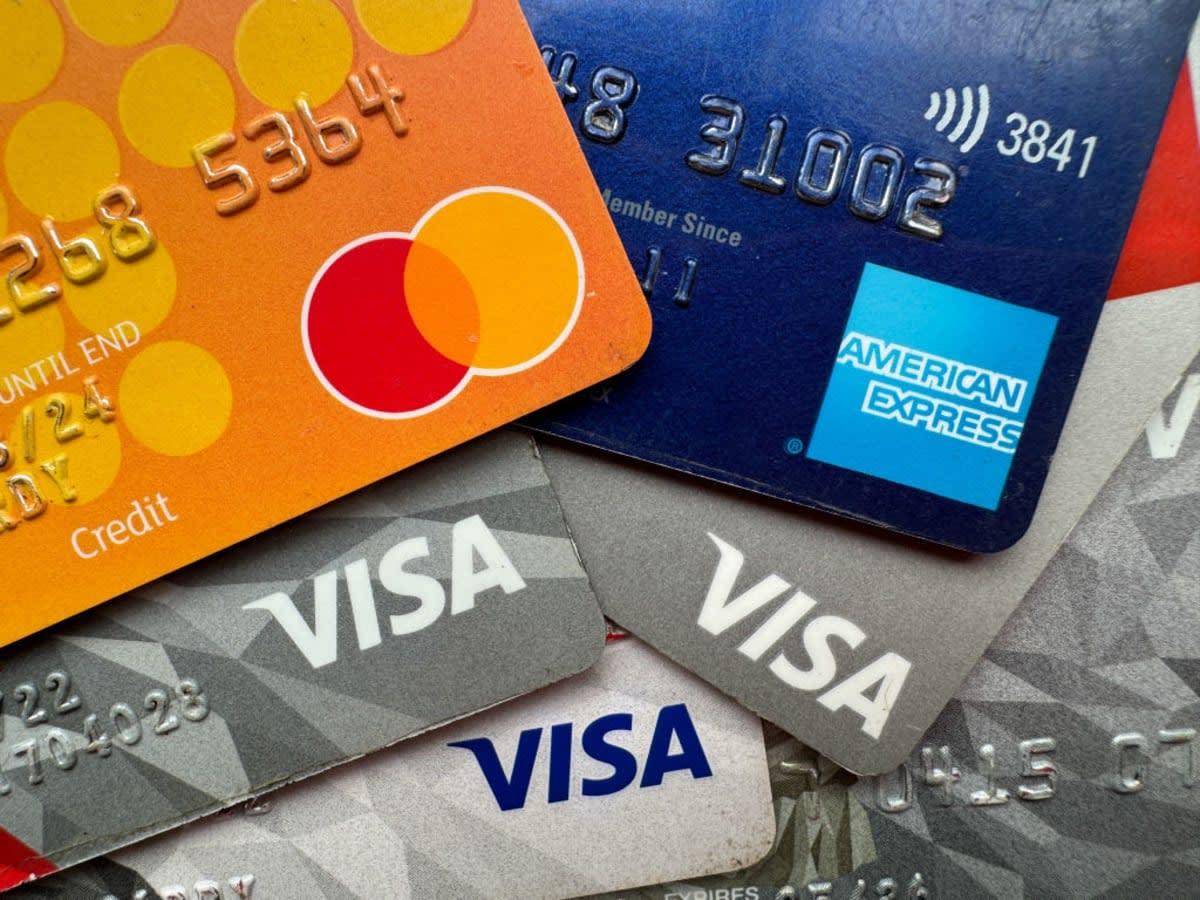
Dissatisfied with this settlement and expecting it to bring more problems, a separate legislative response was prompted in Congress, where the House and the Senate pushed a set of laws designed to curb the dominance of Visa and Mastercard.
If the proposal is approved, the renowned credit card issuers would need to work with two credit card processors. These regulations have garnered longstanding endorsement from trade groups such as the National Retail Federation (NRF), which vocally advocates for retailers' interests.
Consumer spending has significantly shifted towards credit cards in recent years, leading to $101 billion in total fees paid by US merchants to credit card companies in 2023. According to The New York Times, this figure encompasses interchange fees totaling $72 billion.
This revelation emerges on the heels of Discover and Capital One, two major credit card issuers, announcing a merger. Now, concerns arise that the proposed settlement could adversely impact the merger's prospects.