What happens if America’s top 5 billionaires split their fortunes? The answer is surprising

The U.S. has more than 900 billionaires, who are getting richer thanks to tax cuts introduced by Trump's One Big Beautiful Bill. The population of the country stands at approximately 342.6 million as per the latest Census data, with the average consumer spending around $77,280 annually and living with a median household income of $83,730. A Reddit thread has stated that Jeff Bezos, with a net worth of approximately $215.9 billion, could sustain daily expenditures equal to the average Q4 2023 US salary of $59,384 for about 9,960.7 years if inflation is ignored. Spending at this rate would take 46.2 years to deplete every billion dollars. Additionally, the estimated risk-free return on a billion dollars is around $50 million per year, while annual spending of $59,384 daily totals approximately $22.9 million. This brings up a question about the impact of the top five billionaires pooling their wealth and distributing it equally among Americans.
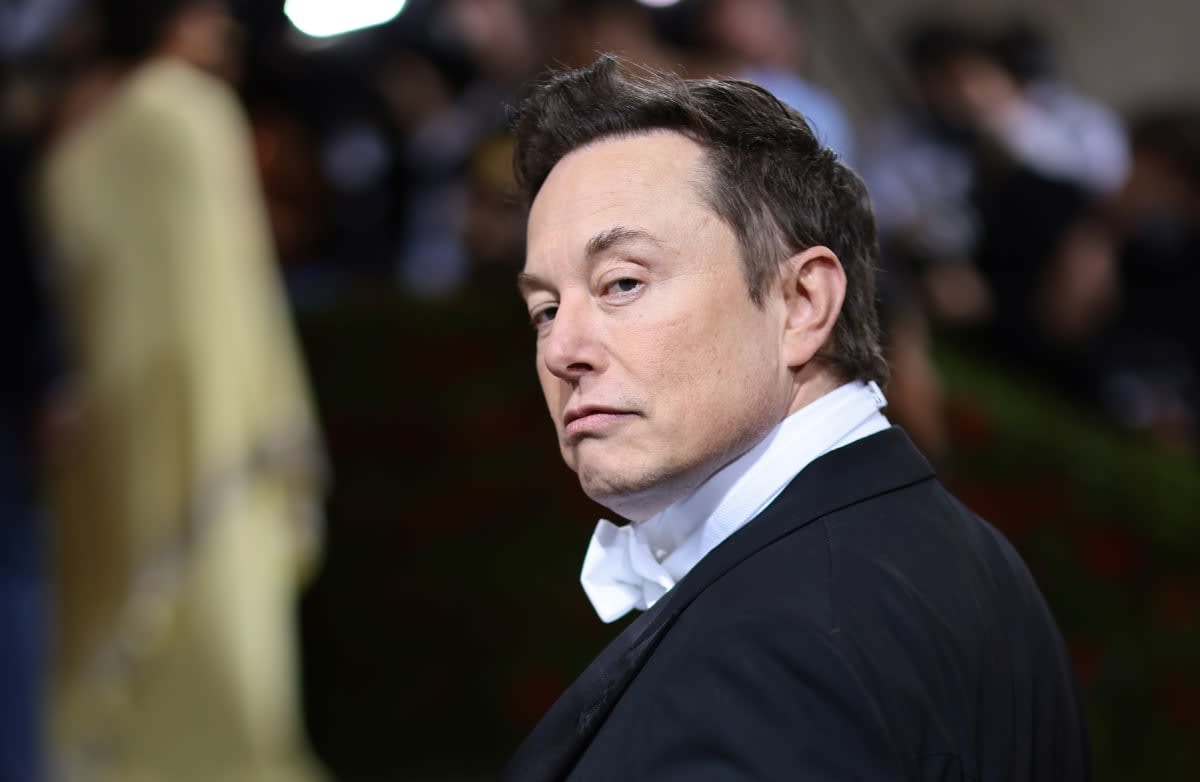
The five wealthiest Americans, according to Forbes' current list of billionaires, are Elon Musk ($483.7 billion), Larry Ellison ($388.5 billion), Mark Zuckerberg ($264.2 billion), Jeff Bezos ($240.4 billion), and Larry Page ($208.9 billion), with a combined net worth of around $1.59 trillion. If they impartially distributed their riches equally among 342.5 million Americans, each would earn $4,629.78. On the other hand, the combined fortune of all billionaires worldwide is $16.1 trillion, or $47,007 for every American. Even though $4,629.78 is a substantial amount, it highlights the enormous wealth gap.

Top financial strategist Justin Donald has some sound advice about investing like billionaires. He revealed that the wealthy allocate 15-25% of their net worth to stocks, favoring alternative investments such as private equity (20-30%) and real estate (15-25%). Public markets are efficient, prompting the wealthy to favor "inefficient markets" like private businesses for better deal structuring. Single-family offices invest significant portions in alternatives, while private credit offers fixed-income loans to companies with returns ranging from 8-20%. Donald noted trends in industrial outdoor storage and niche office spaces, along with emerging interests in data centers and collectibles as investment alternatives. He also disclosed that billionaires allocate 2-5% of their net worth towards Bitcoin.

So, apart from using the potential $4,629.78 to pay off debts, credit card payments, save up for retirement plans, invest in a new home, or set it up for future emergency funds, there are other ways to achieve financial success. Follow a structured plan involving four key steps. Start by creating a financial snapshot, which serves as your starting point for the year. This includes conducting an account audit where you list all your financial accounts, incluchecking, high-yield savings, retirement, and brokerage accounts) alongside their values and purposes. Identify all debts, including loans and credit card balances. Next, perform a cash flow audit by reviewing your income, pay stubs, and deductions to understand your monthly cash flow and recurring expenses. This foundational analysis will guide you in setting realistic financial goals and budgets in case you experience a financial windfall.
More on Market Realist:
Jeff Bezos could easily end U.S. hunger with his massive wealth as per estimates. But would he?
Elon Musk's Mother Reveals That the Billionaire Once Lived in a Rent-Controlled Apartment
Mark Zuckerberg Blames E-commerce Boom During Pandemic, Not AI, For Large-Scale Tech Layoffs