Even wealthy Americans are turning to dollar stores and Walmart — yes, that's a clear warning

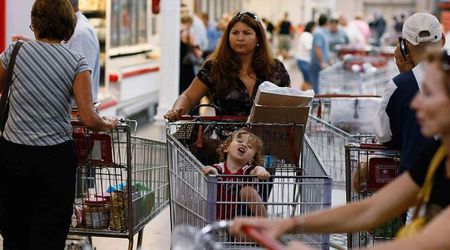
The popular perception is that Dollar stores are for people from middle and lower-income classes, who are financially stretched. However, the affordability crisis in America seems to be shaking up things, as recent reports show that low-income individuals are not the only ones coming into these stores. Consumers belonging to higher-income households are also flocking to Dollar stores and Walmart to tackle rising prices. This indicates that the affordability crisis has started affecting Americans across all income groups.

A report in Fortune states that cumulative inflation has led to prices going up by roughly 25% since 2020. In addition to that, President Donald Trump’s tariffs have also pushed prices upwards in the past few months, and it is not a surprise that people are looking to cut down on costs as much as possible. Dollar Tree has reported that 3 million new households shopped from it in the third quarter, of which 60% were from those that made $100,000 a year or more.
“Higher-income households are trading into Dollar Tree; lower-income households are depending on us more than ever,” Dollar Tree CEO Michael Creedon Jr said recently. The company reported an impressive same-store sales growth of 4.2%. This trend is in line with what has been seen at Dollar General as well. It is the country’s largest dollar store chain with a whopping 21,000 locations, after all.

CEO Todd Vasos claimed that the retailer was seeing disproportionate growth that came from higher-income households in the third quarter. The company also recorded an incredible 44% increase in net profit, which stood at $282.7 million. Five Below, a discount retail chain, also expects a higher profit for the remainder of the year thanks to a higher demand for budget-friendly products. While it’s good news for the retailers, it doesn’t paint a great picture of the economy.
Wealthy Americans are not just flocking to dollar stores. A big part of this population did not use to shop at Walmart in the past, but that trend is seeing a change as well. As soon as the retailer made its delivery service operational, it saw customers from a higher income bracket shop from it digitally. As a result, the company is testing out some ‘dark stores’ in which no customer will be allowed to enter.
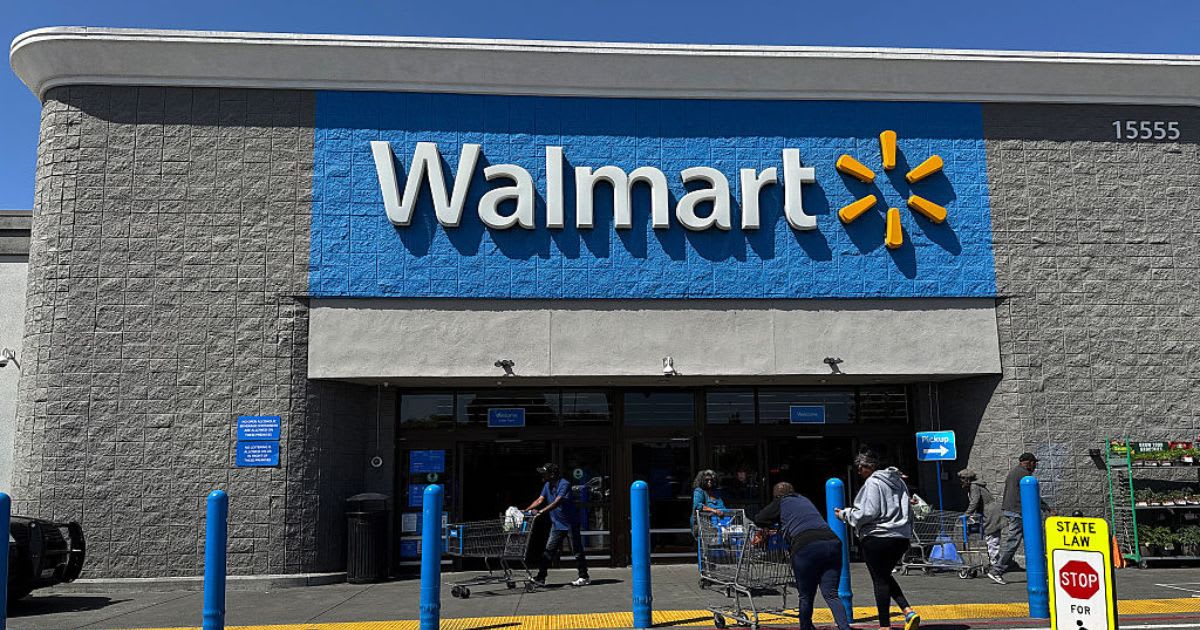
These stores are specifically meant for the storage of popular delivery products that would streamline the whole process and make it even more efficient. "Certainly, with a more affluent customer base that's coming to Walmart now, there's an opportunity to serve [them] in maybe more of a dark store format, where you don't have customers going into stores, but we can serve them through eCommerce," CFO John David Rainey said at a recent conference.
More on Market Realist:
Trump admin can 'recreate the exact tariff structure' even if Supreme Court rules against it
Americans could see car prices drop under Trump admin after its latest decision
Housing expert warns Americans about a price correction that is 'worse than 2008' crisis